
Is scotch egg vegan?
Scotch egg is a non-vegan food ingredient.
Checking out an ingredients list? 👇
"You are amazing, this has saved me so much time when grocery shopping!"
— Austin, a user who reached out with feedback
"It's been a great tool since starting my journey! You take a pic of the nutrition/ingredients, and it'll warn you of anything questionable or not vegan. 😁"
— Ashe, a Vegan For Beginners Facebook Group member
"Use a vegan app when you go shopping, I use WhatsVegan."
— Dóra, a Vegan For Beginners Facebook Group member
So, what is scotch egg?
The Composition and Vegan Status of Scotch Eggs
A classic of British cuisine, the Scotch egg presents itself as a deceptively simple snack: a hard-boiled egg encased in sausage meat, breaded, and then deep-fried or baked. From a vegan food science and ethical standpoint, its status is unequivocally "Not Vegan." This determination is rooted deeply in the core components that define this food item.
The Animal-Derived Core: Egg and Meat
The primary reason a Scotch egg is incompatible with a vegan lifestyle lies in its two fundamental animal-derived ingredients: the egg and the sausage meat.
The Egg:* The central component is an avian ovum, most commonly from a hen. The production of eggs, even from so-called "free-range" systems, involves practices that are in direct conflict with animal ethics. This includes the selective breeding of hens for maximum egg production, the culling of male chicks deemed economically useless shortly after hatching, and the inherent exploitation of sentient beings for their biological output. For a vegan, the consumption of eggs represents a direct participation in the animal agriculture industry, which is predicated on the commodification of animal life.
The Sausage Meat:* Encircling the egg is a layer of ground meat, traditionally porcine muscle tissue. This means the ingredient originates directly from the body of a pig, an animal often raised in intensive farming systems. These systems frequently involve confinement, mutilation (such as tail docking without anesthesia), and ultimately, slaughter. The ethical objections here are manifold, encompassing the suffering of the animal throughout its life, the termination of its life for human consumption, and the significant environmental footprint associated with animal farming.
Beyond these primary components, even the breadcrumbs used for coating can sometimes contain milk, egg, or utilize processing aids derived from animals, though the egg and meat are the overriding ethical barriers.
The Ethical Imperative for Purity
For individuals adhering to a vegan philosophy, the complete avoidance of animal products and byproducts is a foundational principle. This extends beyond merely avoiding meat to include dairy, eggs, honey, and any ingredients, including processing aids, derived from animals. The Scotch egg, in its traditional form, inherently violates this ethical baseline by requiring the direct use of animals and their secretions. It stands as a prime example of a food item that relies entirely on an exploitative relationship with the animal kingdom. The pursuit of a cruelty-free diet necessitates looking beyond such preparations.
Innovating Plant-Based Alternatives
Recognizing the desire for familiar textures and flavors without the ethical compromise, the food industry has made significant strides in creating plant-based alternatives to traditional Scotch eggs. These innovations typically employ a combination of plant proteins (like pea, soy, or wheat gluten) and vegetables (such as mushrooms or root vegetables) to mimic the texture and savory profile of sausage meat. For the "egg," ingenious solutions involve gelling agents like agar-agar, starch blends, and specific plant-based proteins to recreate the distinct texture of both the yolk and the albumin, often infused with black salt (kala namak) for an authentic sulfurous 'egg' flavor. These alternatives exemplify label transparency and offer a genuinely cruelty-free option, aligning with the values of compassion and sustainability. As conscious consumers increasingly seek clarity in their food choices, understanding the true origin of ingredients becomes paramount.
Conclusion
The Scotch egg, as a traditional culinary item, is fundamentally not vegan due to its reliance on chicken eggs and animal muscle tissue. Its composition directly clashes with the ethical framework of veganism, which advocates for the non-exploitation of animals. While delicious, its ingredients are a stark reminder of the animal agriculture industry. Thankfully, the burgeoning market for plant-based foods offers inventive and ethical alternatives that capture the essence of this classic without compromise.
How to quickly find the source of ingredients like scotch egg?
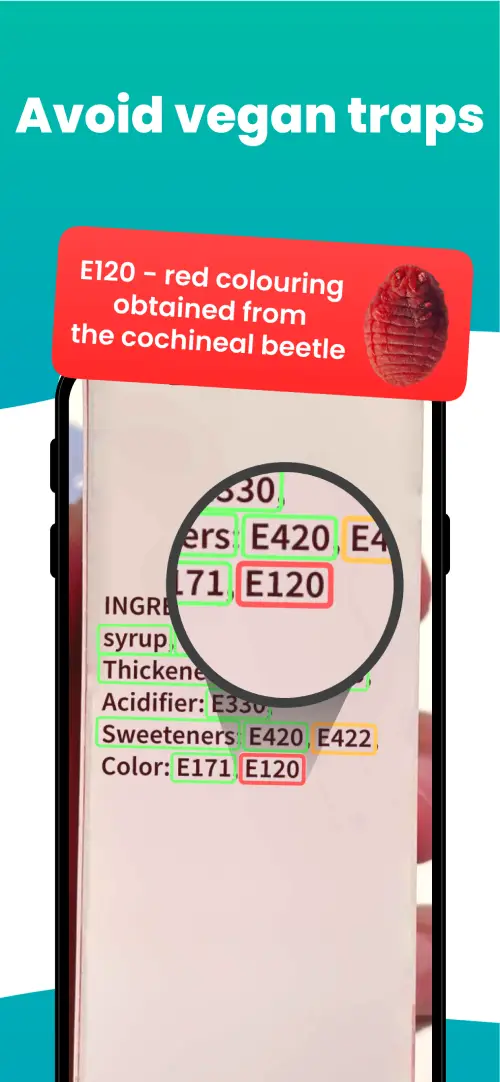
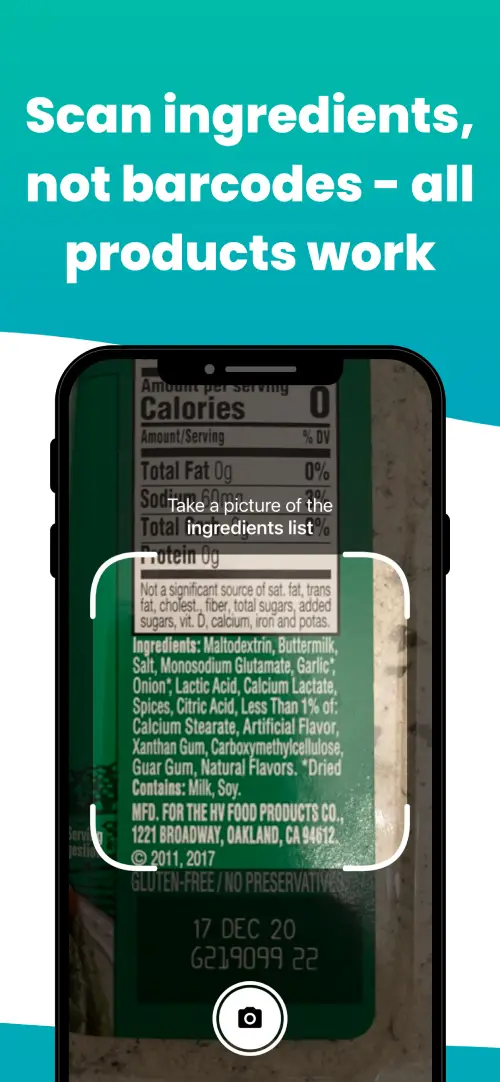
We've built a vegan ingredients scanner that classifies food ingredients as "vegan", "non-vegan", or "potentially vegan".
It allows you to avoid non-vegan ingredients - just take a picture of a product's ingredient list, and the app tells you if the product is vegan or not.



Check out other ingredients:
Is egg mcmuffin vegan?Is eggroll vegan?Is mcdonalds egg mcmuffin vegan?Are chicken egg rolls vegan?Is egg sandwich vegan?Are ice cream bars vegan?Is egg bagel vegan?Are egg rolls vegan?Is egg bread vegan?Is coffee cream liqueur vegan?Is neopolitan ice cream vegan?Is kuivattu glukoosisiirappi vegan?
We'll never send you spam.