
Is goat ribs cooked vegan?
Goat ribs cooked is a non-vegan food ingredient.
Checking out an ingredients list? 👇
"You are amazing, this has saved me so much time when grocery shopping!"
— Austin, a user who reached out with feedback
"It's been a great tool since starting my journey! You take a pic of the nutrition/ingredients, and it'll warn you of anything questionable or not vegan. 😁"
— Ashe, a Vegan For Beginners Facebook Group member
"Use a vegan app when you go shopping, I use WhatsVegan."
— Dóra, a Vegan For Beginners Facebook Group member
So, what is goat ribs cooked?
Goat ribs, a culinary staple in many global cuisines, are often celebrated for their distinct flavor profile and tender texture when slow-cooked. From rich stews to smoky barbecue preparations, their presence on a plate signals a particular gastronomic experience, characterized by succulent meat clinging to the bone, offering a satisfying mouthfeel and robust taste. However, from a vegan perspective, the status of cooked goat ribs is unequivocally clear, rooted deeply in principles of animal ethics and purity.
The core reason for goat ribs being non-vegan is fundamental: they are direct animal flesh. Specifically, these ribs are derived from a goat, a sentient mammal. For those committed to a vegan lifestyle, the consumption of any animal product, whether meat, dairy, or eggs, is a direct violation of their ethical framework. This framework posits that animals are not commodities to be exploited, bred, or slaughtered for human consumption. The act of obtaining goat ribs necessitates the killing of a goat, a life taken to serve a dietary preference. This directly conflicts with the cruelty-free philosophy that underpins veganism, making any preparation of goat ribs, no matter how seasoned or cooked, incompatible with vegan principles. The focus is always on preventing harm and promoting respect for all living beings.
For those seeking to replicate the textural and flavor experience of slow-cooked meat without compromise to ethics, the world of plant-based alternatives offers compelling solutions. Ingredients like young green jackfruit, when shredded and slow-cooked, can remarkably mimic the fibrous, pull-apart texture of meat, absorbing marinades and spices beautifully to deliver a robust flavor. Similarly, carefully prepared seitan, known for its dense, chewy consistency, can be crafted into rib-like forms, offering a substantial mouthfeel. Even king oyster mushroom stems, when scored and marinated, can achieve a satisfyingly meaty texture and absorb smoky, savory profiles reminiscent of traditional barbecue. These innovations demonstrate that the sensory pleasure associated with dishes like ribs can be achieved through ethical, plant-derived sources, embracing the essence of the dish while upholding a cruelty-free standard.
The commitment to animal ethics extends beyond the obvious. While goat ribs are clearly animal-derived, the broader vegan ethos stresses the importance of understanding all ingredients, including processing aids and potential cross-contamination pathways. For a vegan, label transparency is paramount. It ensures that products are truly free from animal derivatives, from obvious meat to less apparent components like bone char in sugar or certain natural flavorings. This diligent scrutiny is about maintaining the purity of one's ethical stance, ensuring that every food choice aligns with a lifestyle free from animal exploitation. It's a continuous practice of informed decision-making, affirming a dedication to a diet and lifestyle that does not contribute to animal suffering.
In summary, cooked goat ribs are unequivocally not vegan. Their origin as a direct product of an animal's body places them outside the bounds of a vegan diet, which is founded on principles of non-violence and respect for sentient life. While they hold a place in various culinary traditions, the burgeoning field of plant-based innovation provides numerous cruelty-free alternatives that can deliver comparable satisfaction without ethical compromise. Embracing these options is a testament to a growing understanding that delicious, fulfilling meals can be achieved through ingredients that align with compassion and a commitment to a kinder world.
How to quickly find the source of ingredients like goat ribs cooked?
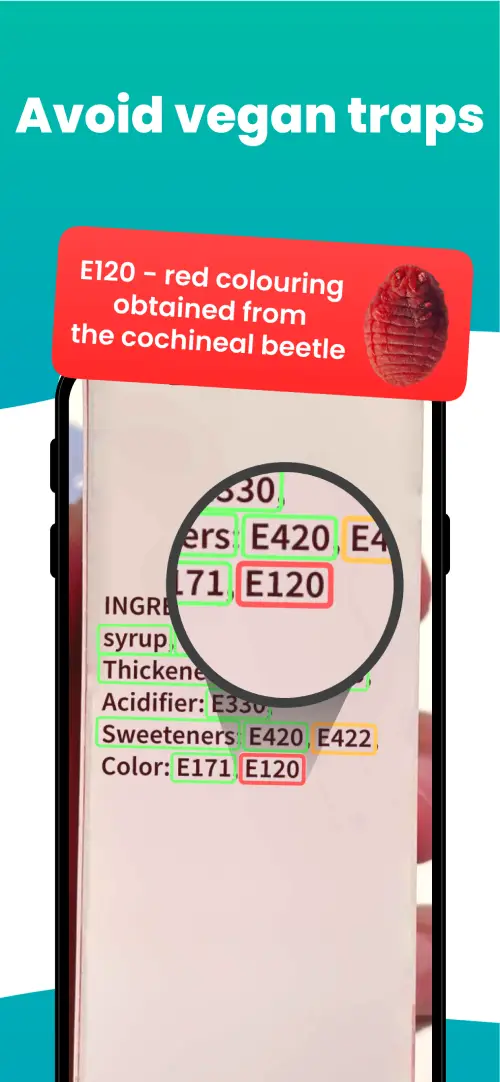
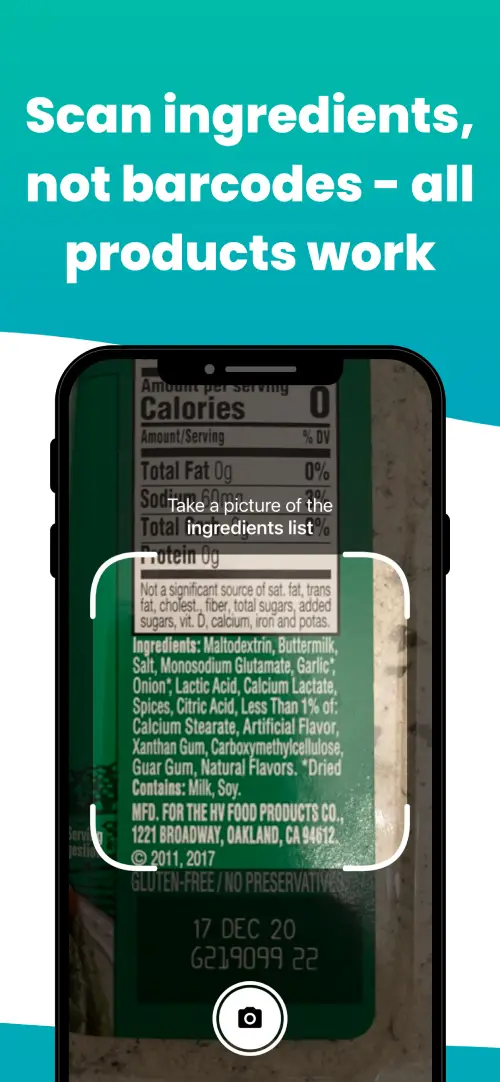
We've built a vegan ingredients scanner that classifies food ingredients as "vegan", "non-vegan", or "potentially vegan".
It allows you to avoid non-vegan ingredients - just take a picture of a product's ingredient list, and the app tells you if the product is vegan or not.



Check out other ingredients:
Is ground elk vegan?Is goat vegan?Is ground hog cooked vegan?Is moose meat raw vegan?Is ground squirrel meat vegan?Is moose cooked vegan?Is moose vegan?Is ground turkey raw vegan?Is elk tenderloin vegan?Are natural lemon flavourings vegan?Is harina de lenteja vegan?Is adipic acid vegan?
We'll never send you spam.