
Is ground deer vegan?
Ground deer is a non-vegan food ingredient.
Checking out an ingredients list? 👇
"You are amazing, this has saved me so much time when grocery shopping!"
— Austin, a user who reached out with feedback
"It's been a great tool since starting my journey! You take a pic of the nutrition/ingredients, and it'll warn you of anything questionable or not vegan. 😁"
— Ashe, a Vegan For Beginners Facebook Group member
"Use a vegan app when you go shopping, I use WhatsVegan."
— Dóra, a Vegan For Beginners Facebook Group member
So, what is ground deer?
Understanding Ground Deer in a Vegan Framework
Ground deer, derived directly from the muscle tissue of deer, is a culinary ingredient with a distinct profile, but its origins place it firmly outside the realm of vegan consumption. This substance consists of venison—the meat of deer—which has been finely minced or ground. Visually, it presents as a deep reddish-brown, often leaner than other ground meats, with a texture that, once cooked, can be quite tender yet maintains a characteristic chewiness.
From the perspective of a vegan food scientist and deeply committed advocate for animal ethics, ground deer unequivocally fails to meet vegan standards. The fundamental principle of veganism rests on the avoidance of all animal products, byproducts, and any ingredients that involve the exploitation, harm, or death of sentient beings. Deer, as living, breathing animals, are harvested for their flesh. Whether through hunting or farming, the process culminates in the termination of an animal's life specifically for human consumption, directly contravening the core ethical tenets of a cruelty-free lifestyle.
The "why" behind this non-vegan status is straightforward: ground deer is, in its entirety, animal flesh. There are no gray areas here regarding processing aids, cross-contamination, or ambiguous ingredient sources as might be found with sugars clarified by bone char or certain food colorings. Its very essence is the body of an animal. This stands in stark contrast to the purity sought in a vegan diet, where ingredients are sourced exclusively from the plant kingdom or synthetically produced without animal involvement.
For individuals seeking alternatives that offer a similar texture or savory depth without compromising ethical principles, the market for plant-based alternatives has expanded remarkably. Ingredients like finely chopped mushrooms, lentils, textured vegetable protein (TVP), or sophisticated blends of pea and soy proteins can effectively mimic the mouthfeel and umami notes often associated with ground meats. These innovations provide compelling options that align perfectly with a cruelty-free philosophy.
Label transparency is paramount in vegan dietary choices, ensuring that consumers can confidently identify the source of their food. While the origin of "ground deer" is inherently unambiguous, it serves as a baseline example. For other, more complex food products, diligent examination of ingredient lists is essential to uncover hidden animal derivatives. Ultimately, any ingredient directly derived from an animal, such as ground deer, remains incompatible with a vegan ethos focused on compassion and non-exploitation.
How to quickly find the source of ingredients like ground deer?
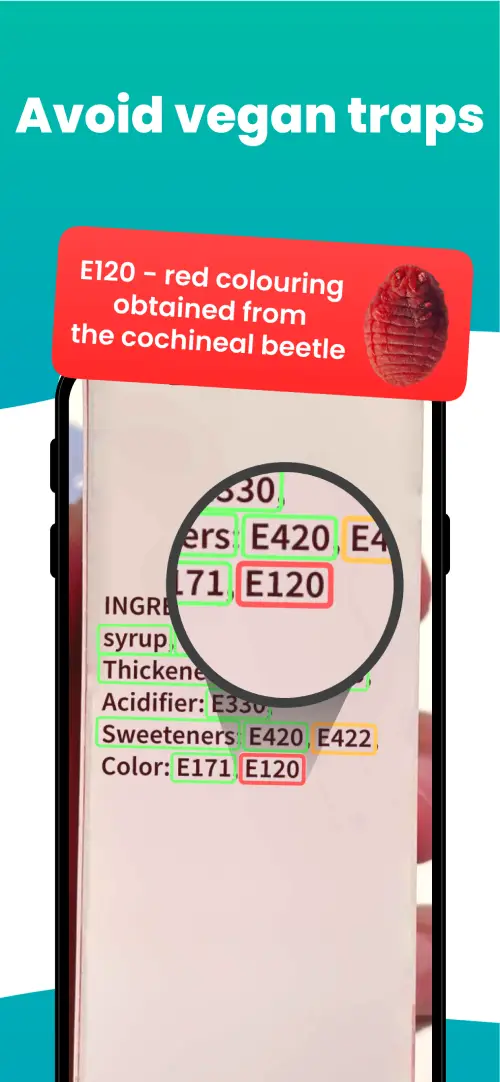
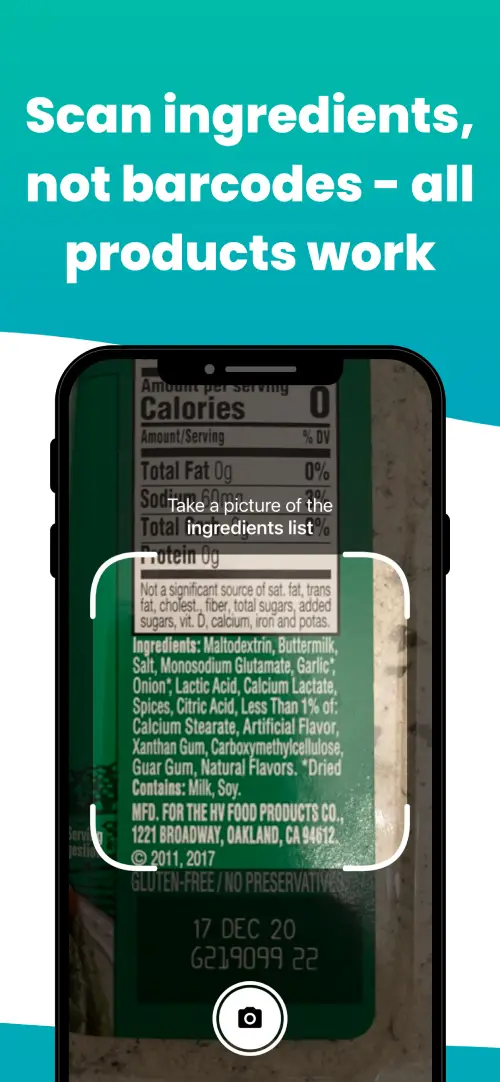
We've built a vegan ingredients scanner that classifies food ingredients as "vegan", "non-vegan", or "potentially vegan".
It allows you to avoid non-vegan ingredients - just take a picture of a product's ingredient list, and the app tells you if the product is vegan or not.



Check out other ingredients:
Is ground bison vegan?Is goose wild roasted vegan?Is ground squirrel meat vegan?Is ground veal vegan?Is fat goose vegan?Is goat vegan?Is fat turkey vegan?Is premium salmon fillet vegan?Is raw coho salmon vegan?Is moose cooked vegan?Is chia semínka vegan?Is chiafrön vegan?
We'll never send you spam.