
Is horehound vegan?
Horehound is a vegan food ingredient.
Checking out an ingredients list? 👇
"You are amazing, this has saved me so much time when grocery shopping!"
— Austin, a user who reached out with feedback
"It's been a great tool since starting my journey! You take a pic of the nutrition/ingredients, and it'll warn you of anything questionable or not vegan. 😁"
— Ashe, a Vegan For Beginners Facebook Group member
"Use a vegan app when you go shopping, I use WhatsVegan."
— Dóra, a Vegan For Beginners Facebook Group member
So, what is horehound?
The Unadulterated Essence of Horehound
Horehound, derived from the Marrubium vulgare plant, carries a rich history intertwined with both traditional medicine and culinary applications. This distinctive herb, a member of the mint family (Lamiaceae), is renowned for its characteristic bitter flavor profile, often balanced with an earthy undertone. From ancient Roman remedies to classic lozenges and candies, horehound has long been valued for its unique properties and sensory contributions. As we delve into the realm of ingredients for ethical consumption, understanding the origin and processing of each component becomes paramount.
A Cornerstone of Plant-Based Purity
For those committed to animal ethics and a plant-based lifestyle, horehound presents a clear and unambiguous ingredient choice. Its status is definitively Vegan. This is because horehound is a botanical product, a herb harvested directly from the Marrubium vulgare plant. There are no animal inputs involved in its fundamental origin or composition. It is a prime example of a naturally occurring, cruelty-free ingredient, entirely free from animal-derived components, byproducts, or secretions. Its very essence embodies the purity we seek in plant-based alternatives, requiring no complex substitutions or ethical compromises regarding its source.
Botanical Profile and Traditional Resonance
The horehound plant is a hardy perennial, typically recognized by its woolly, white-green leaves and small white flowers. Its primary active compounds include diterpenes like marrubiin, which contribute to its signature bitterness and purported medicinal effects. Traditionally, it has been employed for its expectorant and digestive properties, often steeped into teas or incorporated into soothing syrups. While its applications in modern food science extend to flavoring agents in specialty beverages and confectioneries, its core identity remains firmly rooted in its botanical provenance. The texture, when dried and powdered, is fine and somewhat fibrous, readily dissolving or infusing into liquids.
Navigating Horehound in Vegan Formulations
While horehound itself is a perfectly ethical ingredient, a nuanced understanding is crucial when it appears within broader product formulations. As a Vegan Food Scientist, my focus often extends beyond the core ingredient to scrutinize the entire supply chain. When consuming products featuring horehound, such as cough drops or herbal sweets, the vigilance of label transparency is key. Historically, some traditional horehound candies might have included non-vegan ingredients like gelatin (derived from animal collagen) or conventional sugars that could be processed using bone char.
However, the inherent plant-based nature of horehound makes it an ideal candidate for truly cruelty-free products. When used in conjunction with other plant-based alternatives—like agar-agar instead of gelatin, or certified bone-char-free sugars—it aligns seamlessly with vegan principles. Consumers should always check ingredient lists for processing aids and other components to ensure the final product meets their ethical standards. The presence of horehound in a product often signifies a nod to natural remedies and herbal traditions, making it a common choice for developers crafting wholesome, plant-forward offerings.
Embracing Horehound in a Cruelty-Free World
Horehound stands as a testament to the abundance and utility of the plant kingdom. Its direct botanical origin ensures its vegan integrity, making it a valuable and ethical choice for formulators and consumers alike. As we continue to prioritize conscious consumption and expand the range of plant-based options, ingredients like horehound, with their natural purity and historical significance, will undoubtedly continue to play a vital role in crafting a truly cruelty-free culinary landscape.
How to quickly find the source of ingredients like horehound?
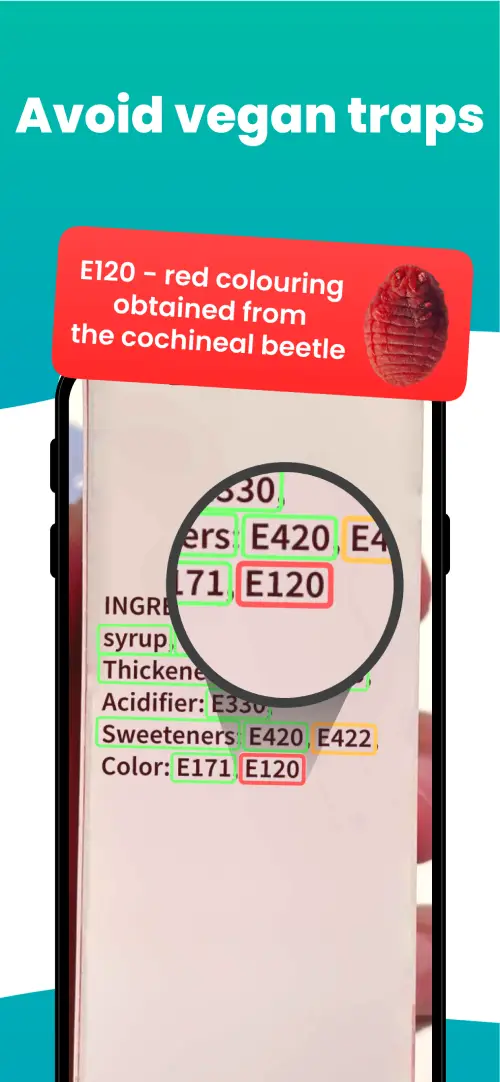
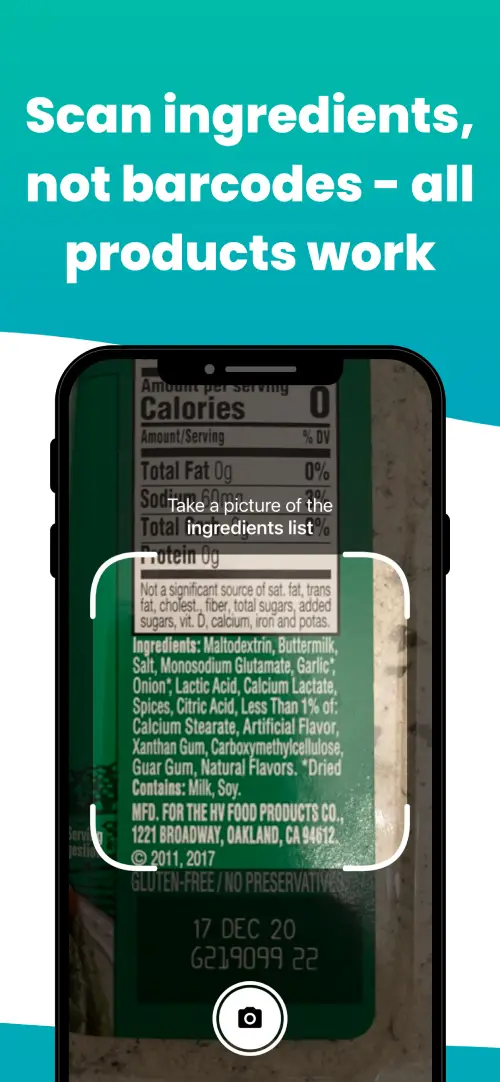
We've built a vegan ingredients scanner that classifies food ingredients as "vegan", "non-vegan", or "potentially vegan".
It allows you to avoid non-vegan ingredients - just take a picture of a product's ingredient list, and the app tells you if the product is vegan or not.



Check out other ingredients:
Is ricola herb mixture vegan?Is elder vegan?Is linden flower vegan?Is non-dairy cheddar flavor vegan?Is non-dairy cheddar flavour vegan?Are blend of plant-based oils vegan?Is d-alpha-tocopherol vegan?Is magnesium ascorbyl phosphate vegan?Is citrus limon fruit vegan?Is premium ice cream vegan?Is contient huiles de coco vegan?Is extraits de zeste d'orange vegan?
We'll never send you spam.