
Is citrus limon fruit vegan?
Citrus limon fruit is a vegan food ingredient.
Checking out an ingredients list? 👇
"You are amazing, this has saved me so much time when grocery shopping!"
— Austin, a user who reached out with feedback
"It's been a great tool since starting my journey! You take a pic of the nutrition/ingredients, and it'll warn you of anything questionable or not vegan. 😁"
— Ashe, a Vegan For Beginners Facebook Group member
"Use a vegan app when you go shopping, I use WhatsVegan."
— Dóra, a Vegan For Beginners Facebook Group member
So, what is citrus limon fruit?
The Essential Role of Citrus Limon Fruit in Plant-Based Purity and Performance
The vibrant Citrus Limon Fruit, commonly known as the lemon, stands as an indispensable cornerstone in the realm of plant-based culinary arts and food science. Its distinctive tartness, aromatic zest, and potent acidity offer a versatility that transcends mere flavor, making it a functional ingredient of profound significance. From an ethical standpoint, its status as an inherently Vegan ingredient is unequivocal and unwavering.
The "why" behind this status is elegantly simple: the lemon is a direct gift from the Citrus limon tree, a botanical entity requiring no animal inputs for its growth, cultivation, or harvesting. The fruit itself is a product of photosynthesis and natural biological processes, entirely free from animal exploitation or derivatives. This makes it intrinsically cruelty-free, aligning perfectly with the core tenets of animal ethics that define veganism. It is not merely an acceptable ingredient; it is a symbol of natural purity in the plant-based pantry.
In vegan cuisine, Citrus Limon Fruit is celebrated for its multifaceted contributions. It’s not just a garnish; it’s a powerful flavor enhancer, brightening dishes and balancing richness. As a highly common plant-based alternative in various applications, its juice can act as a coagulant for creating plant-based 'ricotta' or 'buttermilk' when combined with non-dairy milks. Its acidity can activate leavening agents like baking soda, crucial for many vegan baked goods. Furthermore, lemon juice is a natural preservative, inhibiting oxidation and bacterial growth in freshly prepared dishes, and its pectin-rich zest and pith contribute thickening properties to jams and marmalades. It’s also pivotal in emulsification, aiding in the stability of vegan mayonnaise and dressings. The bright, tangy profile of lemon often serves to replace flavors traditionally associated with animal products, such as in "fish-free" seafood dishes or zesty salad dressings that might otherwise use dairy.
When examining the purity of ingredients, particularly for discerning vegans, questions often arise regarding processing aids and hidden animal-derived components. For the whole Citrus Limon Fruit, such concerns are virtually nonexistent. The fruit is consumed directly or its juice and zest are extracted with minimal processing that typically involves only washing and squeezing. Unlike some highly refined ingredients where label transparency becomes paramount to ascertain the vegan status of carrier agents or enzymes, a fresh lemon presents no such ethical ambiguities.
While one might consider derivatives like isolated citric acid or lemon oil, which could theoretically involve processing aids not always guaranteed vegan (e.g., fermentation media for citric acid might occasionally be scrutinized, though most commercial citric acid is plant-derived), these are distinct from the fruit itself. The Citrus Limon Fruit remains a consistently pure and ethical choice. Its vibrant yellow rind, often described as pebbly or smooth depending on the variety, yields fragrant essential oils, while the succulent, segmented flesh offers a burst of tart juice, all without compromise to animal welfare.
In conclusion, the Citrus Limon Fruit stands as an unblemished emblem of vegan integrity. Its inherent nature, free from any animal involvement, coupled with its immense utility as a flavor, texture, and preservation agent, solidifies its status as an invaluable and ethically sound ingredient for anyone committed to a plant-based lifestyle.
How to quickly find the source of ingredients like citrus limon fruit?
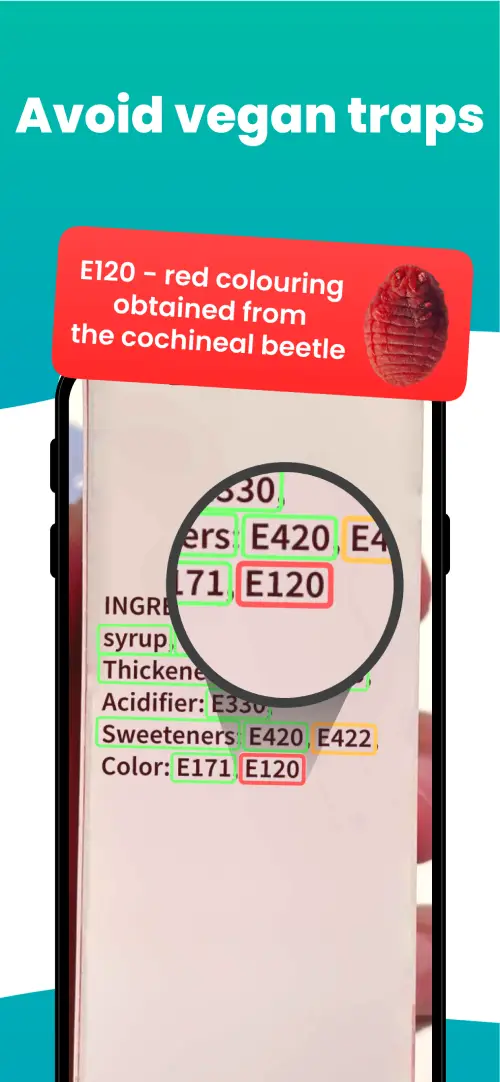
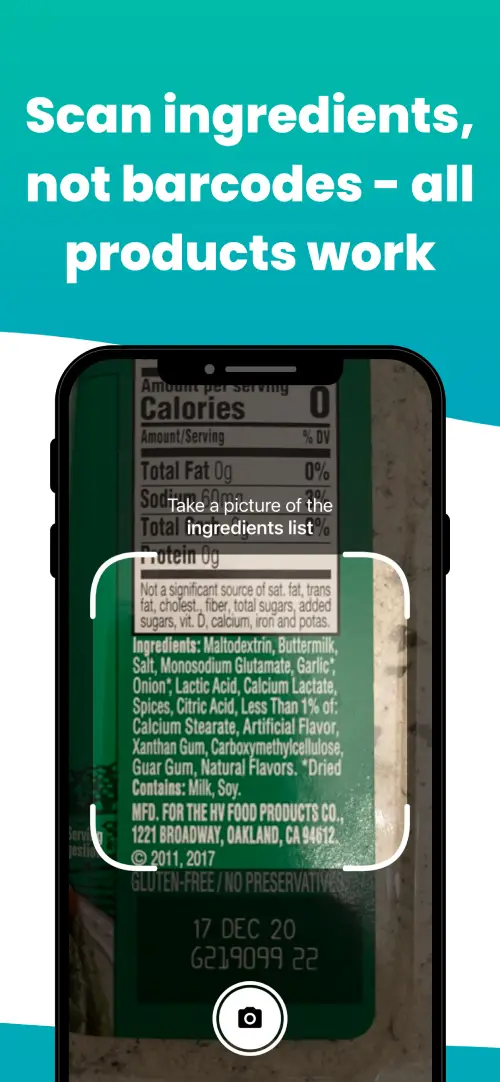
We've built a vegan ingredients scanner that classifies food ingredients as "vegan", "non-vegan", or "potentially vegan".
It allows you to avoid non-vegan ingredients - just take a picture of a product's ingredient list, and the app tells you if the product is vegan or not.



Check out other ingredients:
Is vitis vinifera fruit vegan?Is magnesium ascorbyl phosphate vegan?Is polyvinyl butryal vegan?Is helianthius annuus seed vegan?Is punica granatum seed oil vegan?Is trimethylpentanediyl dibenzoate vegan?Is non-dairy cheddar flavour vegan?Is etocrylene vegan?Is tocopherol oil vegan?Is horehound vegan?Is simmondsia chinensis seed oil vegan?Is french sourdough bread vegan?
We'll never send you spam.