
Is ice cream mix vegan?
Ice cream mix is a non-vegan food ingredient.
Checking out an ingredients list? 👇
"You are amazing, this has saved me so much time when grocery shopping!"
— Austin, a user who reached out with feedback
"It's been a great tool since starting my journey! You take a pic of the nutrition/ingredients, and it'll warn you of anything questionable or not vegan. 😁"
— Ashe, a Vegan For Beginners Facebook Group member
"Use a vegan app when you go shopping, I use WhatsVegan."
— Dóra, a Vegan For Beginners Facebook Group member
So, what is ice cream mix?
Exploring the Composition of Commercial Ice Cream Mix
Commercial ice cream mix, as it is overwhelmingly formulated in the industry, represents a product fundamentally at odds with vegan principles. Its designation as "Not Vegan" stems directly from its primary components, which are derived from animal sources, making it unsuitable for those adhering to an animal-free lifestyle.
At its core, a conventional ice cream mix relies heavily on dairy. This means milk and cream, typically sourced from cows. The production of dairy involves an intricate, often industrial, system of animal agriculture. Cows are repeatedly artificially inseminated to ensure continuous lactation, a process that inherently separates calves from their mothers shortly after birth. The male calves are often destined for veal production, while females enter the dairy cycle themselves. Once a dairy cow's milk production declines, typically after a few years, she is often slaughtered, her body processed for meat. From an animal ethics perspective, this entire system is built upon exploitation and suffering, directly conflicting with the vegan ethos of non-harm and respect for animal autonomy. The dairy in ice cream mix is not merely an ingredient; it is the culmination of this systematic utilization of an animal's reproductive cycle and life for human consumption, making it unequivocally non-vegan.
Beyond the obvious dairy base, other ingredients commonly found in ice cream mix can also raise red flags for purity and ethics. Many formulations incorporate emulsifiers and stabilizers to achieve the desired creamy texture and prevent ice crystal formation. While some, like guar gum or locust bean gum, are plant-derived, others are not. Mono- and diglycerides, frequently used for emulsification, can be sourced from either plant oils or animal fats. Without explicit certification or clear label transparency, their animal origin cannot be ruled out. Similarly, gelatin, derived from the collagen of animal bones, skin, and connective tissue, is a powerful stabilizer sometimes used in frozen desserts, rendering any mix containing it non-vegan.
Furthermore, even seemingly innocuous ingredients like sugar require scrutiny. Cane sugar, while plant-derived, can sometimes be processed using bone char as a processing aid to achieve its pristine white color. While the bone char itself is not present in the final product, its use in the refinement process is considered unacceptable by many vegans due to its animal origin, stemming from the bones of cattle. This highlights the nuanced considerations beyond just the direct ingredients, extending to manufacturing practices.
For those committed to cruelty-free eating, understanding these hidden complexities is paramount. The ethical imperative for vegans extends to avoiding all animal products and byproducts, whether directly integrated into the food or utilized in its processing. The dairy in ice cream mix alone is sufficient to deem it non-vegan, but the potential for other animal-derived components further solidifies this status.
Fortunately, the landscape of frozen desserts has seen remarkable innovation. A diverse array of plant-based alternatives for ice cream mix is now readily available, formulated with bases like oat milk, almond milk, coconut milk, soy milk, cashew cream, or pea protein. These alternatives are designed to deliver comparable texture and flavor profiles without contributing to animal exploitation, offering delicious and ethical choices for those who prioritize animal welfare and ingredient purity.
How to quickly find the source of ingredients like ice cream mix?
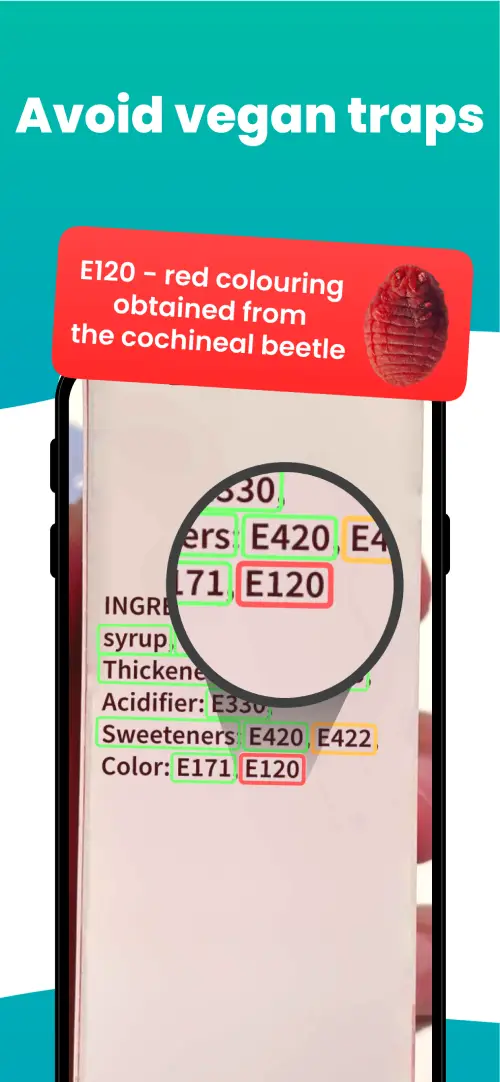
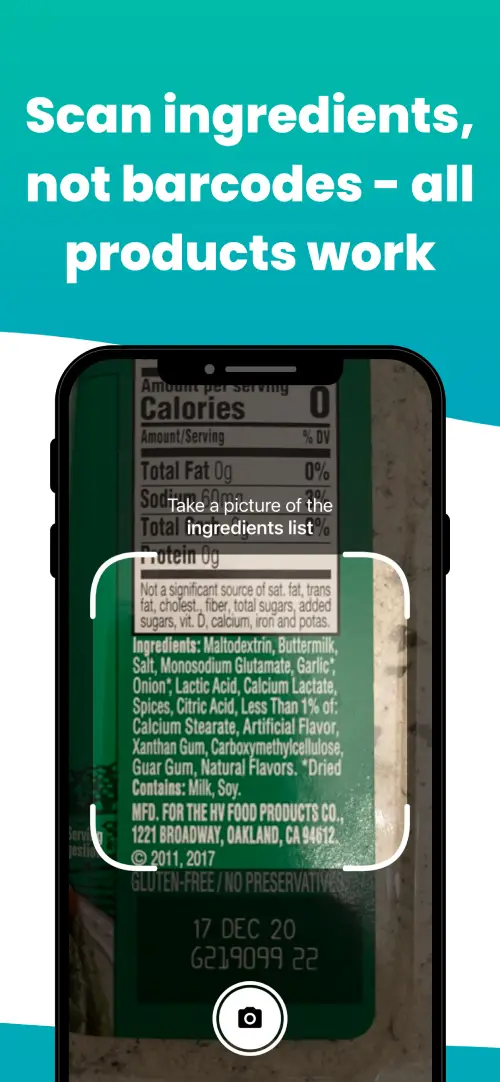
We've built a vegan ingredients scanner that classifies food ingredients as "vegan", "non-vegan", or "potentially vegan".
It allows you to avoid non-vegan ingredients - just take a picture of a product's ingredient list, and the app tells you if the product is vegan or not.



Check out other ingredients:
Is heavy cream vegan?Is coffee creamer vegan?Is creamy tomato parmesan vegan?Is yogurt-coated vegan?Is yogurt starter vegan?Is egg creamed vegan?Is yogurt liquid vegan?Is creamy buttermilk vegan?Is yogurt dressing vegan?Are yogurt burst cheerios vegan?Is витаминный премикс vegan?Is puree de citron vegan?
We'll never send you spam.