
Is isoprene copolymer vegan?
Isoprene copolymer is a vegan food ingredient.
Checking out an ingredients list? 👇
"You are amazing, this has saved me so much time when grocery shopping!"
— Austin, a user who reached out with feedback
"It's been a great tool since starting my journey! You take a pic of the nutrition/ingredients, and it'll warn you of anything questionable or not vegan. 😁"
— Ashe, a Vegan For Beginners Facebook Group member
"Use a vegan app when you go shopping, I use WhatsVegan."
— Dóra, a Vegan For Beginners Facebook Group member
So, what is isoprene copolymer?
Isoprene Copolymer: An Ingredient Deep Dive
In the intricate world of food science, particularly within the burgeoning vegan market, understanding the foundational components of our ingredients is paramount. Isoprene copolymer, a lesser-known but widely utilized compound, stands as a testament to synthetic innovation that aligns seamlessly with ethical consumption. Its presence in various food products, most notably as a crucial element in chewing gum bases, often prompts inquiry from those committed to animal ethics.
Chemical Composition and Ethical Sourcing
At its core, isoprene copolymer is a synthetic polymer, a long chain of repeating molecular units. The primary monomer, isoprene (2-methyl-1,3-butadiene), is a hydrocarbon. This chemical structure is key to understanding its vegan status. Typically, isoprene is derived from petrochemical feedstocks, meaning its origin traces back to fossil fuels, not animal life. Increasingly, advancements in green chemistry are also yielding bio-isoprene, where the molecule is produced from renewable plant-based sources like sugars through fermentation. Regardless of whether it's synthetically produced from petroleum or bio-derived from plants, the fundamental process avoids any reliance on animal inputs or byproducts.
From an animal ethics perspective, this is critically important. There is no sacrifice of animals, no exploitation of animal labor, and no use of animal secretions or tissues in the creation of the isoprene monomer or its subsequent polymerization into a copolymer. This intrinsic purity from animal sources forms the bedrock of its vegan designation.
Beyond the Molecule: Processing and Purity Assurances
While the primary polymer itself is unequivocally free from animal components, a comprehensive vegan assessment always extends to the manufacturing process. Discerning consumers rightly inquire about potential "gray areas," such as processing aids. In the production of food-grade isoprene copolymers, manufacturers must adhere to strict guidelines to ensure that any ancillary substances used during synthesis, purification, or formulation are also free from animal-derived ingredients. This commitment to label transparency is vital for maintaining the integrity of cruelty-free products.
When incorporated into a final product, such as a chewing gum base, isoprene copolymer contributes significantly to texture and elasticity. It’s part of a composite, often blended with plant-based waxes, resins, and emulsifiers. Responsible brands committed to producing truly vegan items ensure that all these accompanying components, along with any processing aids used in the gum base’s creation, meet stringent animal-free criteria. This holistic approach ensures that the entire product remains consistent with vegan principles, leaving no room for animal-derived constituents, like animal-derived stearates or glycerides, to inadvertently enter the formulation.
Facilitating Cruelty-Free Innovation
Isoprene copolymer, therefore, is not merely vegan by default; it is an enabling ingredient for the broader plant-based alternatives movement. By providing reliable elasticity and textural properties without compromising on ethical standards, it allows manufacturers to craft appealing, high-performance products that align with consumer values. It ensures that the quest for desirable food experiences, such as the satisfying chew of a gum, doesn't necessitate animal involvement. This makes it an invaluable, cruelty-free component in the arsenal of food scientists dedicated to ethical innovation. Its consistent non-animal origin eliminates the need to seek out "plant-based alternatives" for the copolymer itself, allowing focus to shift to other potential areas of concern within a complete formulation.
How to quickly find the source of ingredients like isoprene copolymer?
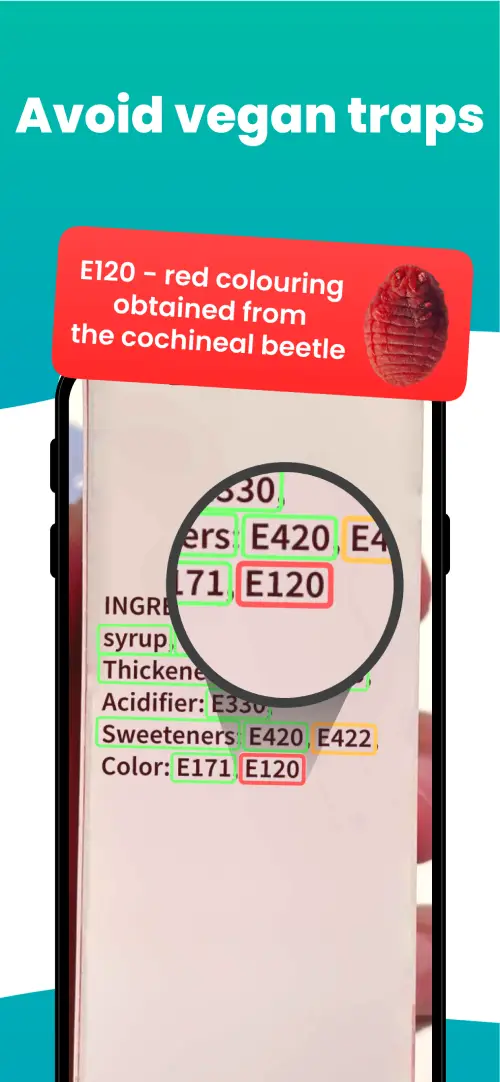
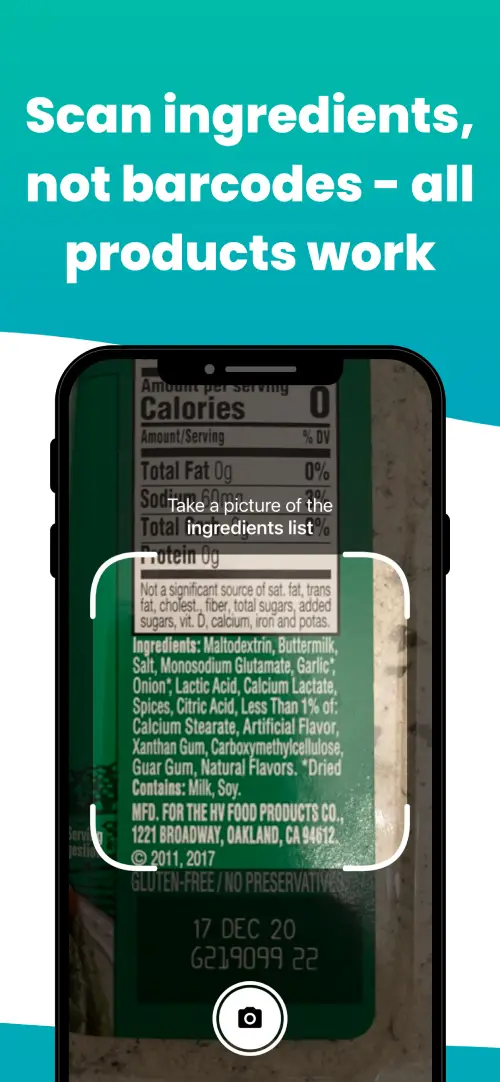
We've built a vegan ingredients scanner that classifies food ingredients as "vegan", "non-vegan", or "potentially vegan".
It allows you to avoid non-vegan ingredients - just take a picture of a product's ingredient list, and the app tells you if the product is vegan or not.



Check out other ingredients:
Is hydrogenated styrene vegan?Is polyurethane-11 vegan?Is silica vegan?Are glass beads vegan?Is calcium sodium borosilicate vegan?Is lotus flower vegan?Is bismuth oxychloride vegan?Is manjishta vegan?Is aluminum powder vegan?Is c21 dicarboxylic acid vegan?Is extraits naturels de poivre vegan?Is non-fat-dry milk vegan?
We'll never send you spam.