
Is bismuth oxychloride vegan?
Bismuth oxychloride is a vegan food ingredient.
Checking out an ingredients list? 👇
"You are amazing, this has saved me so much time when grocery shopping!"
— Austin, a user who reached out with feedback
"It's been a great tool since starting my journey! You take a pic of the nutrition/ingredients, and it'll warn you of anything questionable or not vegan. 😁"
— Ashe, a Vegan For Beginners Facebook Group member
"Use a vegan app when you go shopping, I use WhatsVegan."
— Dóra, a Vegan For Beginners Facebook Group member
So, what is bismuth oxychloride?
Unpacking Bismuth Oxychloride: An Ethical Ingredient Analysis
When scrutinizing ingredient lists for adherence to vegan principles, few compounds offer the straightforward clarity of bismuth oxychloride. This metallic mineral compound, widely recognized for its unique pearlescent sheen and opaque qualities, stands as a reliable ally for those committed to animal ethics and purity in their product choices. Its inherent nature provides a compelling reason why it consistently merits a "Vegan" status.
Bismuth oxychloride, chemically represented as BiOCl, is an inorganic pigment. Its origin lies in bismuth, a naturally occurring heavy metal element. The process of creating bismuth oxychloride involves chemical synthesis, where bismuth salts are reacted with chloride ions in an aqueous solution, leading to the precipitation of the compound. This controlled laboratory environment ensures that the ingredient is purely a product of mineral and chemical reactions, entirely devoid of biological inputs. Its distinctive appearance, often described as a fine, white powder with a soft, lustrous, and shimmering quality, is a direct result of its crystal structure.
From an animal ethics standpoint, bismuth oxychloride presents no concerns. Its production neither utilizes animal-derived raw materials nor does it involve animal byproducts at any stage. This includes not just the primary constituents but also extends to critical considerations like processing aids and filtration media. Unlike some seemingly innocent ingredients that might rely on bone char for decolorization or gelatin as a fining agent, the synthesis of bismuth oxychloride is typically free from such animal-derived intermediates. This makes it inherently cruelty-free, as no animal suffering or exploitation is tied to its existence or manufacture.
For those dedicated to a vegan lifestyle, the transparency surrounding bismuth oxychloride is reassuring. There's no "gray area" to navigate, no hidden animal components to uncover through extensive supply chain audits. It doesn't require a plant-based alternative because it is, by its very nature, an inorganic mineral. Its role is purely functional, contributing textural and optical properties without drawing on animal resources. This stands in stark contrast to ingredients that might, for instance, be derived from insects or animal fats, or those whose production chain involves animal testing.
The meticulous examination of ingredients like bismuth oxychloride underscores the importance of label transparency. As consumers, our ability to make informed decisions rests heavily on understanding the full journey of a product's components. With bismuth oxychloride, its vegan status is a testament to its elemental origin and synthetic purity, offering a clear and ethical choice for formulators and consumers alike. It represents an ingredient that aligns seamlessly with the values of compassion and purity, contributing valuable properties without compromising ethical integrity.
How to quickly find the source of ingredients like bismuth oxychloride?
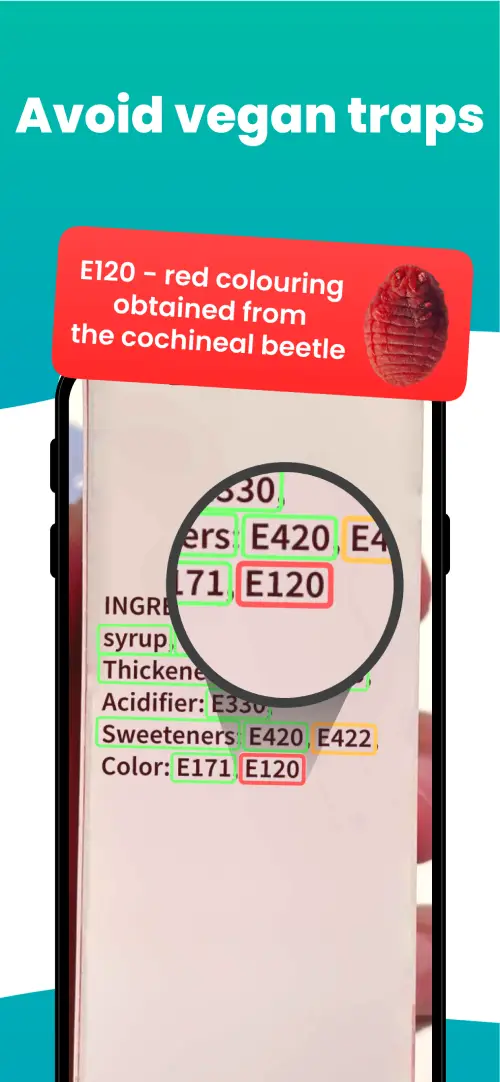
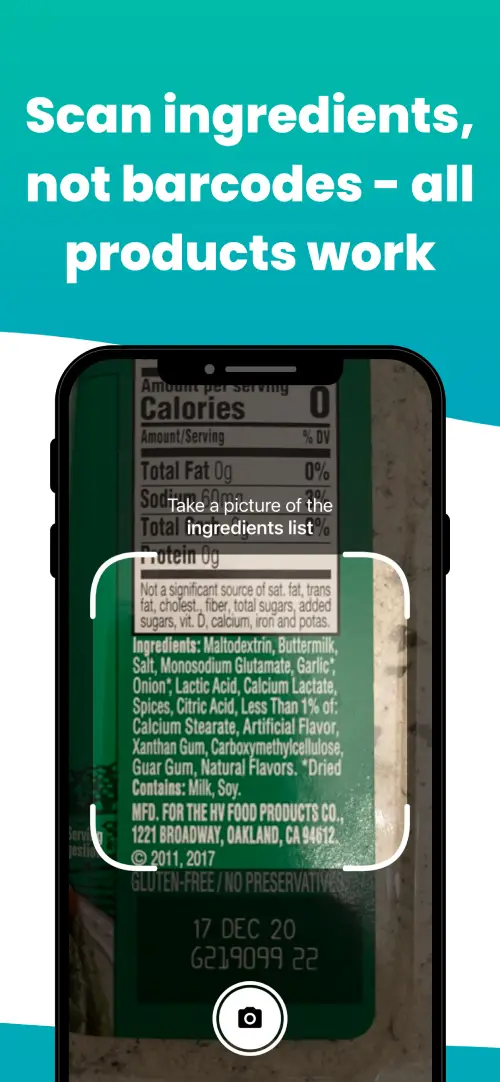
We've built a vegan ingredients scanner that classifies food ingredients as "vegan", "non-vegan", or "potentially vegan".
It allows you to avoid non-vegan ingredients - just take a picture of a product's ingredient list, and the app tells you if the product is vegan or not.



Check out other ingredients:
Is ci 77163 vegan?Is ci 77000 vegan?Is bronze powder vegan?Is calcium sodium borosilicate vegan?Is ci 77007 vegan?Is silica vegan?Is talc vegan?Is tin oxide vegan?Is isoprene copolymer vegan?Are chromium oxide greens vegan?Is calcium titanium borosilicate vegan?Is red jalapeño vegan?
We'll never send you spam.