
Is calcium sodium borosilicate vegan?
Calcium sodium borosilicate is a vegan food ingredient.
Checking out an ingredients list? 👇
"You are amazing, this has saved me so much time when grocery shopping!"
— Austin, a user who reached out with feedback
"It's been a great tool since starting my journey! You take a pic of the nutrition/ingredients, and it'll warn you of anything questionable or not vegan. 😁"
— Ashe, a Vegan For Beginners Facebook Group member
"Use a vegan app when you go shopping, I use WhatsVegan."
— Dóra, a Vegan For Beginners Facebook Group member
So, what is calcium sodium borosilicate?
Understanding Calcium Sodium Borosilicate for Ethical Consumption
Calcium sodium borosilicate is an ingredient increasingly found across various industries, from cosmetics to food-grade decorations. For those committed to a vegan lifestyle, understanding the origin and processing of every component is paramount. From the perspective of animal ethics and ingredient purity, calcium sodium borosilicate stands as a clear and unambiguous choice.
The Genesis of a Synthetic Mineral
At its core, calcium sodium borosilicate is a synthetic, inorganic material. It is a type of glass flake, meticulously engineered through high-temperature processes involving mineral precursors like calcium carbonate, sodium carbonate, and boric oxide. These raw materials are abundant, naturally occurring minerals or their refined synthetic derivatives. The synthesis process involves melting these components at precise temperatures, followed by controlled cooling and milling to create thin, transparent flakes with specific optical properties.
Crucially, throughout its entire lifecycle—from the extraction of its constituent minerals to its complex manufacturing—there is no involvement of animal products, byproducts, or animal testing on the raw material itself. It is not derived from any living organism, nor does it require any animal-sourced processing aids during its synthesis. This fundamental inorganic nature is the definitive reason for its vegan classification.
Ensuring Purity and Aligning with Plant-Based Values
Unlike some ingredients that occupy a "gray area" due to shared manufacturing lines or obscure processing aids, calcium sodium borosilicate maintains a clean ethical profile. It does not originate from insects, like carmine, nor does it involve animal secretions or skeletal matter. It’s a pure chemical compound, purpose-built from geological elements.
While it isn't a "plant-based alternative" in the sense of being grown or harvested from plants, its existence perfectly aligns with the principles of plant-based living. It offers a synthetic, cruelty-free option that completely bypasses the ethical concerns associated with animal exploitation. For consumers seeking products that uphold stringent animal welfare standards, calcium sodium borosilicate provides assurance. Its manufacturing is focused on material science, not biological exploitation.
Applications and the Call for Label Transparency
You might encounter calcium sodium borosilicate as a pearlescent pigment in "cruelty-free" cosmetics, providing shimmer and light-reflecting qualities. In niche food applications, particularly decorative elements like edible glitters or sprinkles, it can sometimes be found, though other mica-based or sugar-based options are more common. Regardless of its application, its consistent synthetic origin ensures its vegan status.
For the conscientious consumer, label transparency remains critical. While calcium sodium borosilicate itself is vegan, verifying the entire product formulation for other animal-derived components is always recommended. This ingredient exemplifies how scientific innovation can deliver materials that not only perform exceptionally but also resonate deeply with the ethical demands of a modern, compassionate market. Its inorganic nature ensures it is consistently free from animal exploitation, offering peace of mind to those adhering to a truly vegan standard.
How to quickly find the source of ingredients like calcium sodium borosilicate?
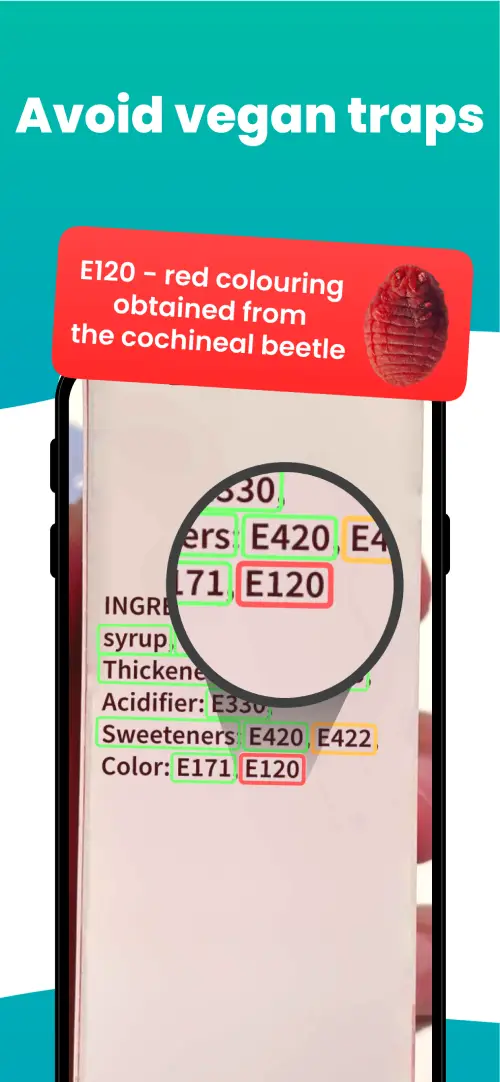
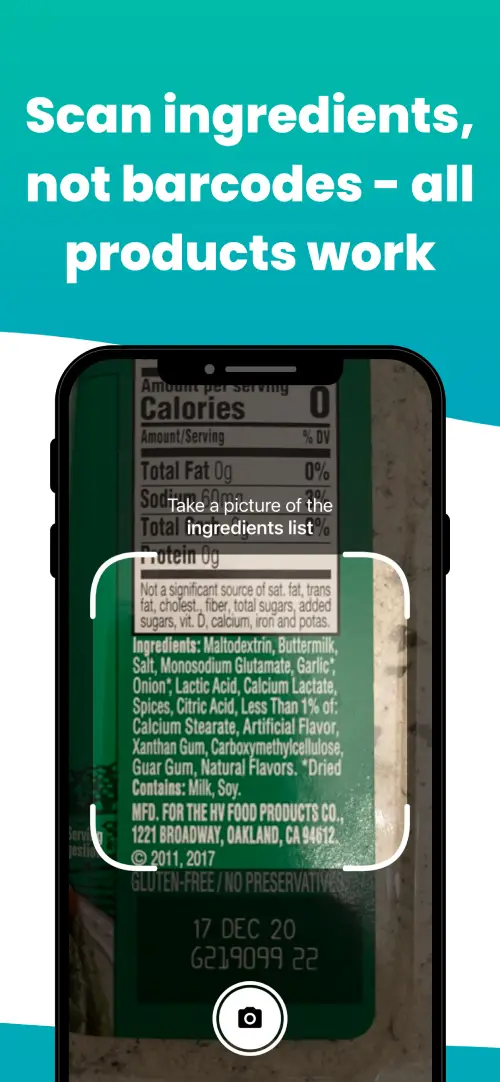
We've built a vegan ingredients scanner that classifies food ingredients as "vegan", "non-vegan", or "potentially vegan".
It allows you to avoid non-vegan ingredients - just take a picture of a product's ingredient list, and the app tells you if the product is vegan or not.



Check out other ingredients:
Is talc vegan?Is bismuth oxychloride vegan?Is ci 77000 vegan?Is aluminum powder vegan?Is isoprene copolymer vegan?Is calcium titanium borosilicate vegan?Is pyridoxine hcl vegan?Is ferric ammonium ferrocyanide vegan?Is pyridoxine hci vegan?Is ci 77400 vegan?Is copper powder vegan?Is natürliches himbeeraroma vegan?
We'll never send you spam.