
Is light whipping cream vegan?
Light whipping cream is a non-vegan food ingredient.
Checking out an ingredients list? 👇
"You are amazing, this has saved me so much time when grocery shopping!"
— Austin, a user who reached out with feedback
"It's been a great tool since starting my journey! You take a pic of the nutrition/ingredients, and it'll warn you of anything questionable or not vegan. 😁"
— Ashe, a Vegan For Beginners Facebook Group member
"Use a vegan app when you go shopping, I use WhatsVegan."
— Dóra, a Vegan For Beginners Facebook Group member
So, what is light whipping cream?
When examining culinary ingredients through the lens of animal ethics and scientific accuracy, light whipping cream presents a clear case. This seemingly innocuous ingredient, cherished for its airy texture and rich mouthfeel in countless desserts and beverages, is fundamentally not vegan.
The Dairy Origin of Light Whipping Cream
Light whipping cream is a direct derivative of cow's milk. It is the fatty layer that separates from whole milk, concentrated and standardized to contain a specific percentage of milk fat, typically ranging from 30% to 35%. While its "light" designation differentiates it from heavy cream (which boasts a higher fat content, usually 36% or more), this distinction pertains solely to its fat composition, not its source. Regardless of fat percentage, the raw material remains the same: bovine lactation.
Why Light Whipping Cream is Not Vegan: An Ethical Imperative
From an animal ethics perspective, the non-vegan status of light whipping cream stems directly from its origin in the dairy industry. Cows, like all mammals, produce milk to nourish their offspring. For humans to consume this milk, calves are typically separated from their mothers shortly after birth. This separation is a profound ethical concern, as it deprives both mother and calf of a natural bonding period and causes significant distress.
Furthermore, dairy cows are subjected to a cycle of forced impregnation to ensure continuous milk production. Their reproductive cycles are manipulated to maximize output, often leading to a life of repeated pregnancies and lactations. Male calves born into the dairy industry are often considered byproducts; they may be raised for veal or beef, or, tragically, culled shortly after birth. Female calves are often destined to join the dairy herd, perpetuating the cycle. The cows themselves, once their milk production declines, are typically sent to slaughter.
Therefore, consuming light whipping cream directly supports a system that exploits sentient beings for human consumption. It represents a direct link to animal agriculture, clashing fundamentally with the principles of animal welfare, autonomy, and the pursuit of a cruelty-free lifestyle. For those committed to animal ethics, the purity of their diet extends to avoiding any product derived from such practices.
Embracing Plant-Based Alternatives
Fortunately, the culinary landscape has seen a remarkable evolution in plant-based alternatives that perfectly mimic the functionality and delight of dairy whipping cream. Innovations in food science have yielded exceptional options derived from various wholesome, plant-derived ingredients. Coconut cream, for instance, offers a rich, luscious texture and whips beautifully, though it imparts a subtle tropical note. Cashew cream provides a neutral flavor profile and exceptional creaminess, while soy, oat, and almond-based creams are also widely available, offering diverse textures and uses.
These plant-based options allow individuals to enjoy the culinary versatility of whipping cream without compromising their ethical convictions. As consumers increasingly demand transparency in labeling and cruelty-free choices, the availability and quality of these alternatives continue to expand, making it easier than ever to make compassionate, delicious choices.
How to quickly find the source of ingredients like light whipping cream?
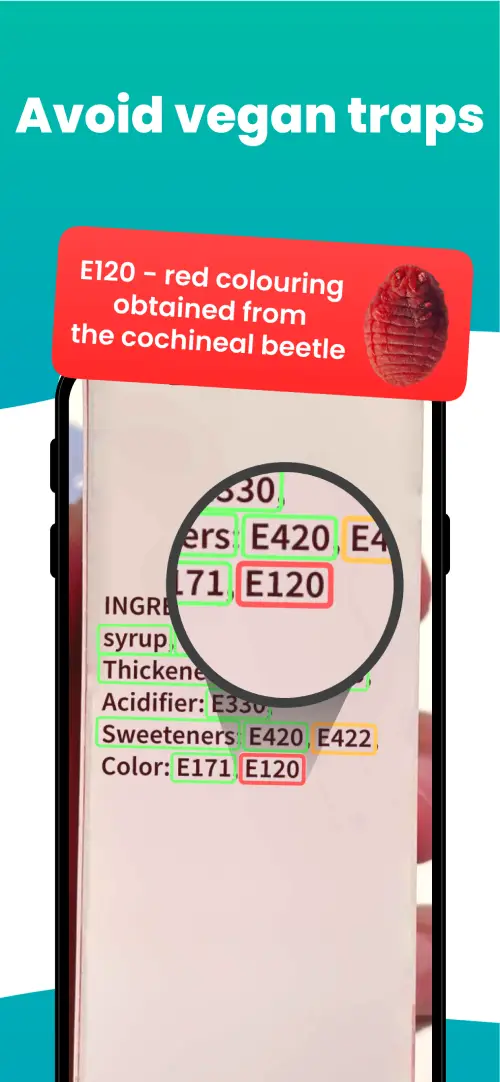
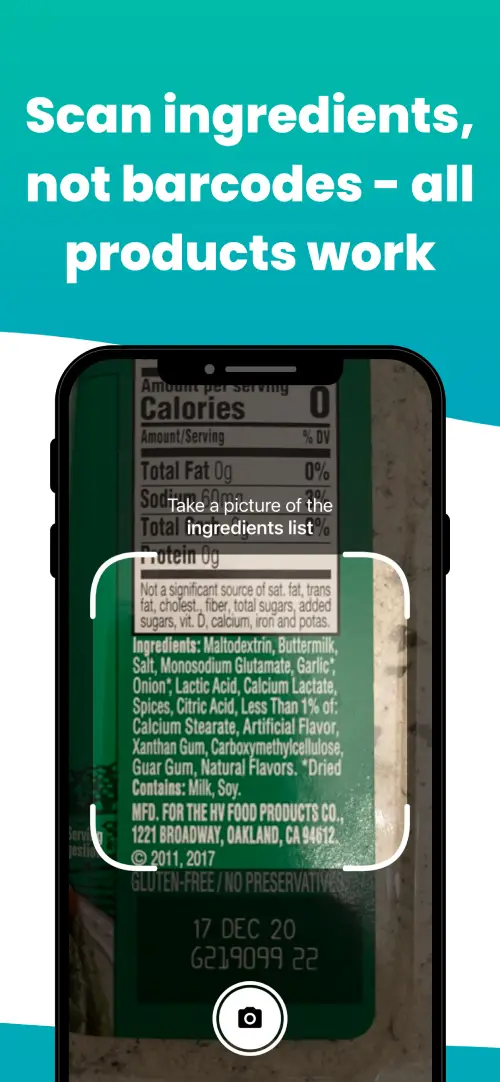
We've built a vegan ingredients scanner that classifies food ingredients as "vegan", "non-vegan", or "potentially vegan".
It allows you to avoid non-vegan ingredients - just take a picture of a product's ingredient list, and the app tells you if the product is vegan or not.



Check out other ingredients:
Is half and half cream vegan?Is cream sauce vegan?Is cream heavy vegan?Is cream light vegan?Is silk original creamer vegan?Is sour cream dip vegan?Is cultured sour cream vegan?Is heavy cream vegan?Are kapris vegan?Is какао-порошок vegan?Is brilliantblau fcf vegan?Is aceitunas verdes manzanilla vegan?
We'll never send you spam.