
Is cream sauce vegan?
Cream sauce is a non-vegan food ingredient.
Checking out an ingredients list? 👇
"You are amazing, this has saved me so much time when grocery shopping!"
— Austin, a user who reached out with feedback
"It's been a great tool since starting my journey! You take a pic of the nutrition/ingredients, and it'll warn you of anything questionable or not vegan. 😁"
— Ashe, a Vegan For Beginners Facebook Group member
"Use a vegan app when you go shopping, I use WhatsVegan."
— Dóra, a Vegan For Beginners Facebook Group member
So, what is cream sauce?
Decoding Cream Sauce: An Ingredient Analysis
Cream sauce, a culinary staple revered for its velvety texture and rich mouthfeel, forms the base of countless dishes, from comforting pastas to decadent desserts. Traditionally, its signature richness is synonymous with dairy, placing it squarely outside the parameters of a vegan diet.
The Unmistakable Animal Origin
At its core, traditional cream sauce relies on dairy cream, an animal-derived ingredient. Cream is the fatty portion of milk, a mammary secretion produced by cows (and sometimes other mammals like goats or sheep) specifically to nourish their offspring. The process of obtaining this cream involves the separation of milk components, typically through centrifugation. From an animal ethics perspective, the production of dairy cream inherently supports an industry that involves the exploitation of animals. Cows are repeatedly artificially inseminated to ensure continuous milk production, their calves are often removed shortly after birth, and both male calves (often used for veal or beef) and spent dairy cows face slaughter. Therefore, the consumption of dairy cream directly contributes to systems that vegans abstain from due to concerns over animal welfare, autonomy, and the inherent commodification of sentient beings.
Beyond the Cream: Other Non-Vegan Elements
While dairy cream is the primary reason traditional cream sauce is not vegan, many recipes often incorporate additional animal products. Butter, another dairy product derived from churned milk fat, frequently adds flavor and richness. Various cheeses, also milk-derived, are common additions for savory cream sauces, providing depth and umami. Some elaborate cream sauces, particularly those for savory applications, might even use chicken, beef, or fish broths as a flavor enhancer, further cementing their non-vegan status. Even seemingly innocuous ingredients like certain thickening agents could potentially be non-vegan if they contain animal-derived gelatin, though this is less common in standard savory cream sauces.
The Vegan Imperative: Purity and Compassion
For individuals committed to veganism, the inclusion of any animal product, whether directly from an animal or a byproduct of animal agriculture, is avoided. This commitment stems from a foundational belief in animal rights and a rejection of practices that cause suffering or involve the exploitation of animals. Consuming traditional cream sauce, with its direct link to the dairy industry, contradicts these core principles. The desire for a cruelty-free lifestyle extends to the purity of ingredients, ensuring that what is consumed aligns with a compassionate ethos.
Navigating Culinary Choices: The Importance of Label Transparency
For those adhering to a vegan lifestyle, understanding ingredient labels is paramount. While a product explicitly labeled "cream sauce" is almost certainly non-vegan unless stated otherwise, processed foods can contain hidden dairy. Ingredients like "whey," "casein," "lactose," or "milk solids" all indicate dairy derivation. Scrutinizing ingredient lists becomes a necessary practice to ensure absolute adherence to a plant-based diet, promoting full label transparency from manufacturers.
The Abundance of Plant-Based Alternatives
Fortunately, the culinary landscape has evolved dramatically, offering an array of exquisite plant-based alternatives that capture the luxurious texture and flavor of traditional cream sauces without any animal products. Innovators have masterfully crafted creamy bases from ingredients like cashews (creating incredibly smooth and rich sauces), soy milk, oat milk, and coconut milk. These alternatives often achieve the same decadent mouthfeel and versatility, allowing for the creation of classic dishes in a truly cruelty-free manner. Whether it's a luscious Alfredo, a rich mushroom sauce, or a delicate béchamel, plant-based science and culinary creativity now provide exceptional, ethical options for every cream sauce application.
How to quickly find the source of ingredients like cream sauce?
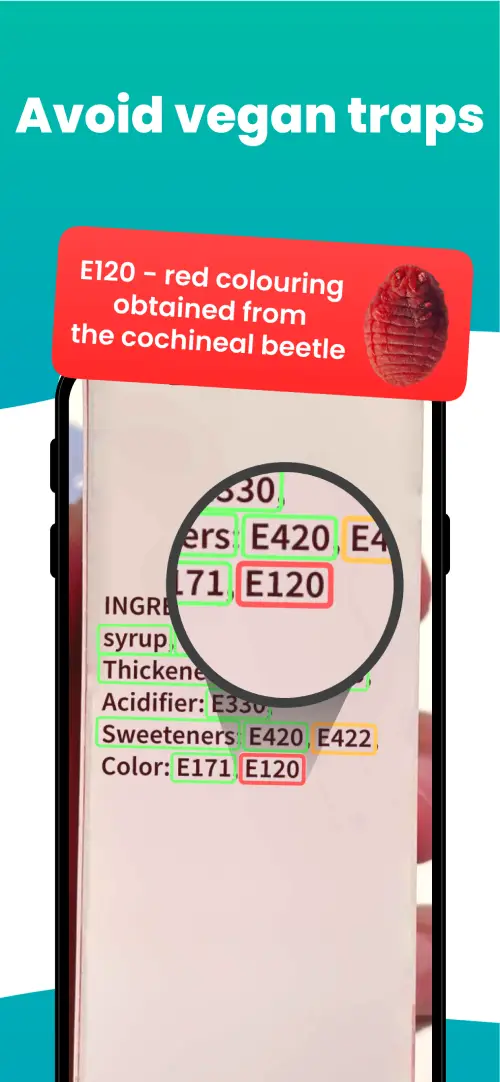
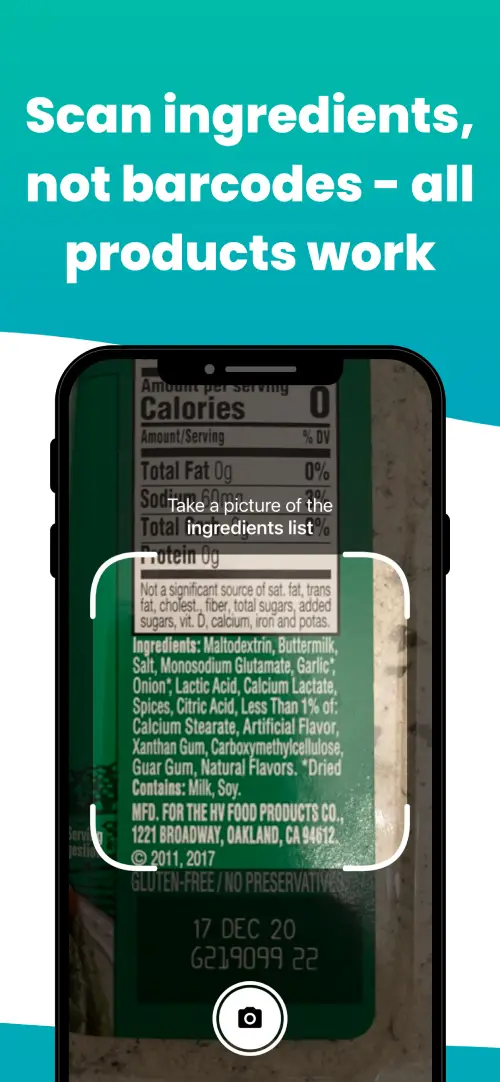
We've built a vegan ingredients scanner that classifies food ingredients as "vegan", "non-vegan", or "potentially vegan".
It allows you to avoid non-vegan ingredients - just take a picture of a product's ingredient list, and the app tells you if the product is vegan or not.



Check out other ingredients:
Is light whipping cream vegan?Is cream heavy vegan?Is cream light vegan?Is egg creamed vegan?Is cookies and cream vegan?Is creamy buttermilk vegan?Is creamy tomato parmesan vegan?Is creamer vegan?Is ice creams chocolate vegan?Is chocolate ice cream vegan?Is yogurt-covered vegan?Is dairy ice cream vegan?
We'll never send you spam.