
Is mentha spicata (spearmint) oil vegan?
Mentha spicata (spearmint) oil is a vegan food ingredient.
Checking out an ingredients list? 👇
"You are amazing, this has saved me so much time when grocery shopping!"
— Austin, a user who reached out with feedback
"It's been a great tool since starting my journey! You take a pic of the nutrition/ingredients, and it'll warn you of anything questionable or not vegan. 😁"
— Ashe, a Vegan For Beginners Facebook Group member
"Use a vegan app when you go shopping, I use WhatsVegan."
— Dóra, a Vegan For Beginners Facebook Group member
So, what is mentha spicata (spearmint) oil?
Understanding Mentha spicata Oil: A Purely Plant-Derived Essence
Mentha spicata oil, commonly known as spearmint oil, is an aromatic essential oil derived from the leaves of the spearmint plant. A staple in flavorings and fragrances, its bright, refreshing, and slightly sweet-minty profile is distinct from the sharper notes of peppermint. For those committed to a vegan lifestyle, understanding the origin and processing of every ingredient is paramount. From an animal ethics standpoint and as a vegan food scientist, I can definitively confirm that spearmint oil, in its natural and unadulterated form, is a truly vegan ingredient.
The inherent vegan status of Mentha spicata oil stems directly from its botanical origin. The oil is extracted exclusively from the Mentha spicata plant, a herbaceous perennial native to Europe and Asia. The process typically involves steam distillation of the leaves and flowering tops. This method relies solely on water vapor to separate the volatile aromatic compounds from the plant material, yielding a concentrated essential oil. There are no animal inputs, byproducts, or derivatives involved at any stage of its traditional production. It is a direct botanical extract, making it an exemplary plant-based alternative to any flavorings that might conceptually or actually involve animal-derived components, though in the realm of mints, such concerns are generally absent.
This direct extraction process ensures the purity of the ingredient from an ethical perspective. Unlike some food additives or ingredients that might involve complex processing with processing aids of animal origin (such as bone char for sugar decolorization or gelatin as a fining agent), spearmint oil's production is straightforward and free from such "gray area" issues. Its very nature as a plant essential oil means it stands as a naturally cruelty-free ingredient, entirely aligned with the principles of avoiding animal exploitation.
For consumers seeking clarity and adherence to their values, label transparency remains critical. While spearmint oil itself is unequivocally vegan, the final product it’s incorporated into must be scrutinized. Manufacturers should ensure that all other components, carriers, or emulsifiers used alongside spearmint oil in a finished product are also plant-derived and that no animal-derived cross-contamination occurs within the production facility. However, the oil itself is a clean slate.
Its widespread use as a natural flavoring in chewing gums, toothpastes, confectionery, beverages, and even savory dishes underscores its versatility. As a fundamental aromatic compound derived directly from nature, spearmint oil serves as a pure and reliable ingredient for vegan food formulations, contributing its refreshing essence without any compromise on animal welfare principles. Its status as a universally accepted plant-based ingredient makes it a cornerstone for ethical product development and conscious consumption.
How to quickly find the source of ingredients like mentha spicata (spearmint) oil?
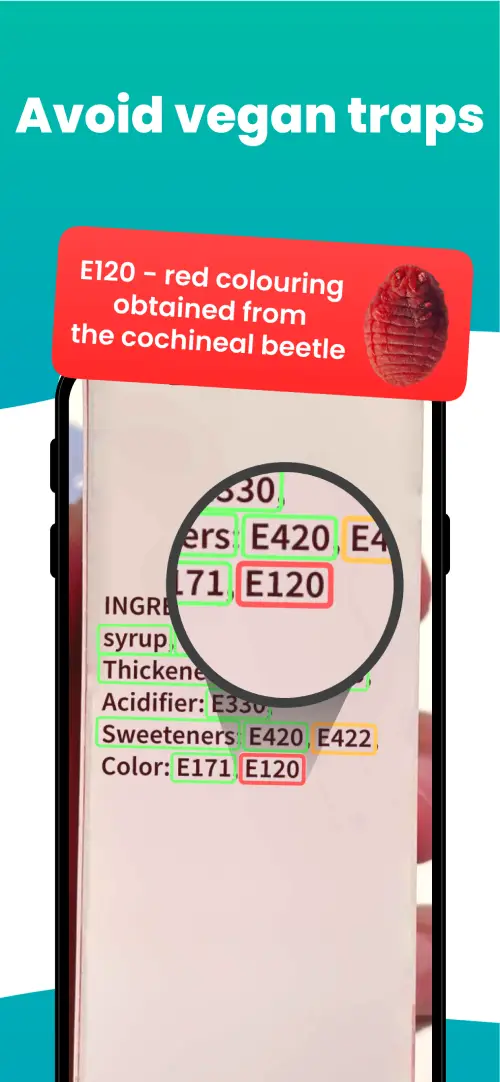
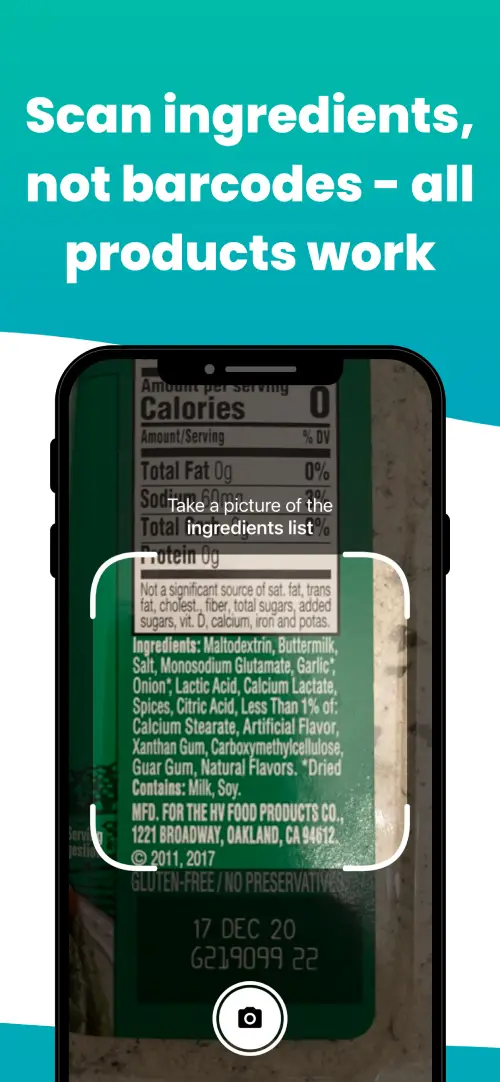
We've built a vegan ingredients scanner that classifies food ingredients as "vegan", "non-vegan", or "potentially vegan".
It allows you to avoid non-vegan ingredients - just take a picture of a product's ingredient list, and the app tells you if the product is vegan or not.



Check out other ingredients:
Is synthetic fluorphlogopite vegan?Is cetyl dimethicone vegan?Is mentha spicata vegan?Is mentha piperita (peppermint) oil vegan?Is mentha piperita vegan?Is ci 77499 vegan?Is citrus sinensis peel oil vegan?Is ci 77742 vegan?Are citrus sinensis vegan?Is butyrospermum parkii (shea) butter vegan?Is manganese violet vegan?Is butyrospermum parkii vegan?
We'll never send you spam.