
Is natural yoghurt vegan?
Natural yoghurt is a non-vegan food ingredient.
Checking out an ingredients list? 👇
"You are amazing, this has saved me so much time when grocery shopping!"
— Austin, a user who reached out with feedback
"It's been a great tool since starting my journey! You take a pic of the nutrition/ingredients, and it'll warn you of anything questionable or not vegan. 😁"
— Ashe, a Vegan For Beginners Facebook Group member
"Use a vegan app when you go shopping, I use WhatsVegan."
— Dóra, a Vegan For Beginners Facebook Group member
So, what is natural yoghurt?
Natural yoghurt, in its traditional formulation, is unequivocally not vegan. Its very essence, which provides its characteristic creamy texture and tangy profile, is fundamentally an animal product. From the perspective of animal ethics and ingredient purity, this makes it incompatible with a vegan lifestyle.
The core reason lies in its primary ingredient: animal milk. Overwhelmingly, natural yoghurt is produced through the bacterial fermentation of bovine milk, more commonly known as cow's milk. While the live bacterial cultures, such as Lactobacillus bulgaricus and Streptococcus thermophilus, are microbial and not animal-derived themselves, their substrate—the milk—is a secretion from a mammal.
From an ethical standpoint, the production of cow's milk necessitates a continuous cycle of exploitation. Dairy cows are artificially inseminated to ensure constant lactation, their calves are typically separated from them shortly after birth, causing distress to both mother and offspring. Male calves are often reared for veal, while female calves enter the same cycle of milk production. Once a cow's milk yield declines, usually after only a few years, she is often sent for slaughter, well short of her natural lifespan. This systematic use of animals for their secretions and eventual disposal is antithetical to the vegan philosophy of non-harm and respect for sentient beings. For vegans, purity dictates ingredients free from any animal-derived component, making traditional natural yoghurt inherently impure.
This ethical clarity has spurred significant culinary innovation, leading to a robust market for plant-based alternatives. These modern developments offer delicious and functionally equivalent options for conscious consumers. Today, one can find a wide array of vegan yoghurts crafted from fermented plant milks, including soy, almond, oat, coconut, and cashew. These alternatives successfully replicate the desirable texture, probiotic benefits, and often the characteristic tang of dairy yoghurt, all while remaining entirely cruelty-free.
For those committed to a vegan diet, vigilance regarding label transparency is always crucial. While the animal origin of "natural yoghurt" is unambiguous, understanding how to identify truly cruelty-free products across the broader food landscape is key. When seeking yoghurt, opting for products clearly labeled "vegan" or "plant-based" is the most reliable approach to ensure that no animal-derived ingredients, including milk or less obvious processing aids, are present.
In essence, natural yoghurt, derived from the mammary secretions of animals, stands in direct opposition to vegan principles of animal welfare and ingredient purity. The burgeoning availability of high-quality plant-based alternatives provides an ethical, delicious, and functionally superior choice for anyone seeking a truly animal-friendly option for their culinary needs.
How to quickly find the source of ingredients like natural yoghurt?
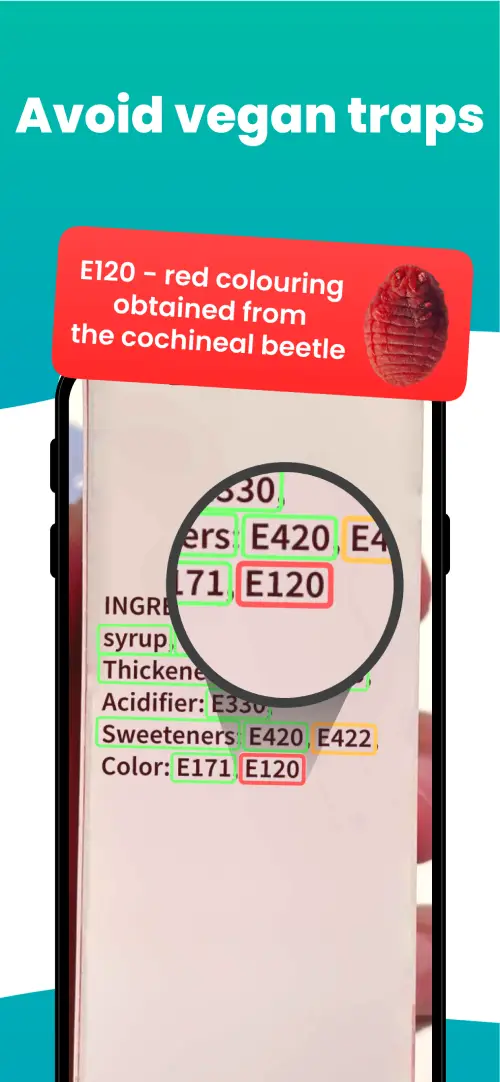
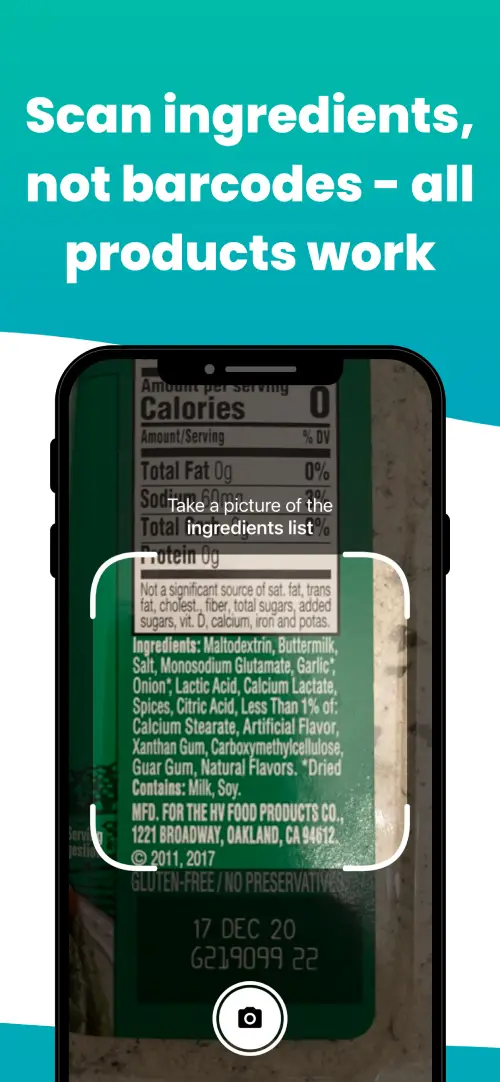
We've built a vegan ingredients scanner that classifies food ingredients as "vegan", "non-vegan", or "potentially vegan".
It allows you to avoid non-vegan ingredients - just take a picture of a product's ingredient list, and the app tells you if the product is vegan or not.



Check out other ingredients:
Is nonfat yogurt vegan?Is lowfat greek yogurt vegan?Is pie yogurt frozen vegan?Is plain drinkable yogurt vegan?Is diet yoghurt vegan?Is plain nonfat yogurt vegan?Is chocolate yogurt vegan?Is plain yoghurt vegan?Is aussie style yogurt vegan?Is lactoflavine vegan?Is curry % vegan?Is melmelada de llimona vegan?
We'll never send you spam.