Is plain nonfat yogurt vegan?
Plain nonfat yogurt is a non-vegan food ingredient.
Checking out an ingredients list? 👇
"You are amazing, this has saved me so much time when grocery shopping!"
— Austin, a user who reached out with feedback
"It's been a great tool since starting my journey! You take a pic of the nutrition/ingredients, and it'll warn you of anything questionable or not vegan. 😁"
— Ashe, a Vegan For Beginners Facebook Group member
"Use a vegan app when you go shopping, I use WhatsVegan."
— Dóra, a Vegan For Beginners Facebook Group member
So, what is plain nonfat yogurt?
Decoding Plain Nonfat Yogurt: A Vegan Perspective
Plain nonfat yogurt, a ubiquitous ingredient across countless culinary applications, holds a fundamental position in many diets. However, from the perspective of a vegan lifestyle, one rooted deeply in animal ethics and the purity of plant-derived foods, its status is unequivocally "Not Vegan." Understanding why this seemingly simple product falls outside vegan parameters requires a brief exploration into its very origin.
At its core, plain nonfat yogurt is a dairy product. It begins as milk, specifically cow's milk, which is secreted from the bovine mammary glands during the lactation cycle. The process of creating yogurt involves the fermentation of this milk by bacterial cultures, typically Lactobacillus bulgaricus and Streptococcus thermophilus. These benevolent bacteria consume the lactose (milk sugar) and produce lactic acid, which causes the milk proteins to coagulate and thicken, lending yogurt its characteristic creamy yet tangy texture. The "nonfat" designation simply means that the milk fat has been largely removed through skimming or centrifugation prior to fermentation, making no difference to its animal-derived nature.
For individuals committed to a vegan way of eating, the use of cow's milk presents several significant ethical challenges. The dairy industry, even when focused on products like nonfat yogurt, is inextricably linked to intensive animal agriculture. This system often involves the artificial insemination of cows to maintain continuous lactation, the separation of calves from their mothers shortly after birth, and the eventual slaughter of dairy cows when their milk production declines. These practices are in direct conflict with the principle of "cruelty-free" living, which seeks to minimize harm and exploitation of animals. From an animal ethics standpoint, the consumption of plain nonfat yogurt inherently supports these systems.
Furthermore, the concept of purity in a vegan diet extends beyond the obvious. It’s about choosing ingredients that are free from any animal input, whether directly or indirectly. Even if no other additives or processing aids of animal origin were involved in its production (which, for truly plain nonfat yogurt, is often the case), the foundational ingredient itself is a direct product of an animal. This distinction is crucial for upholding the integrity of a plant-based diet.
For those seeking to enjoy the textural qualities and nutritional benefits often associated with yogurt, a vibrant and expanding market of plant-based alternatives exists. These "cruelty-free" options are crafted from a variety of sources, including soy, almond, oat, coconut, and cashew. These alternatives undergo similar fermentation processes with vegan bacterial cultures, resulting in products that offer comparable creaminess, tang, and versatility without compromising ethical standards. When selecting these alternatives, practitioners of a vegan diet still prioritize "label transparency" to ensure no unexpected animal-derived ingredients or questionable "processing aids" have been used, although this is a less common concern for mainstream vegan yogurt brands.
In conclusion, while plain nonfat yogurt is a staple for many, its origins in animal agriculture firmly place it outside the realm of veganism. A deep understanding of its source—cow's milk—highlights the ethical considerations and commitment to purity that define a plant-based lifestyle, steering consumers towards the increasing array of innovative and delicious vegan alternatives.
How to quickly find the source of ingredients like plain nonfat yogurt?
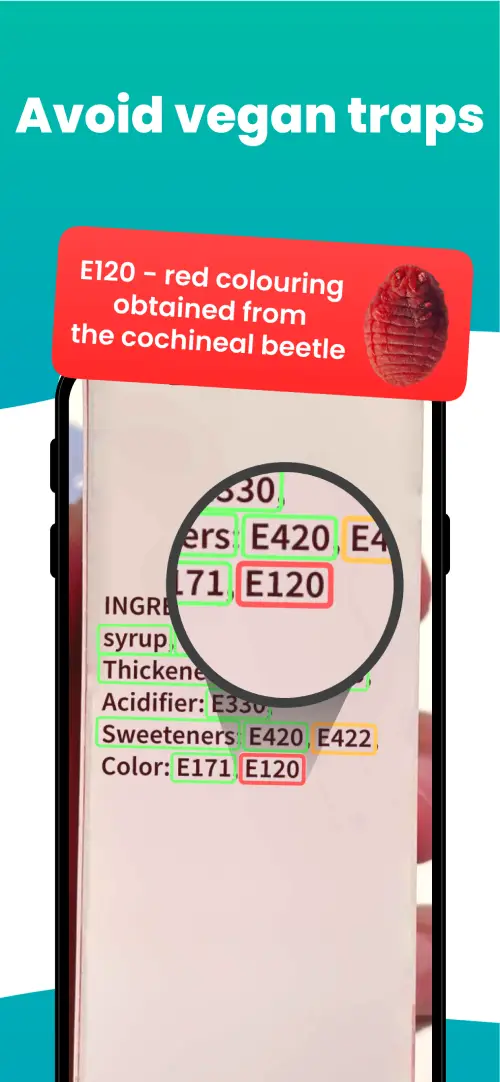
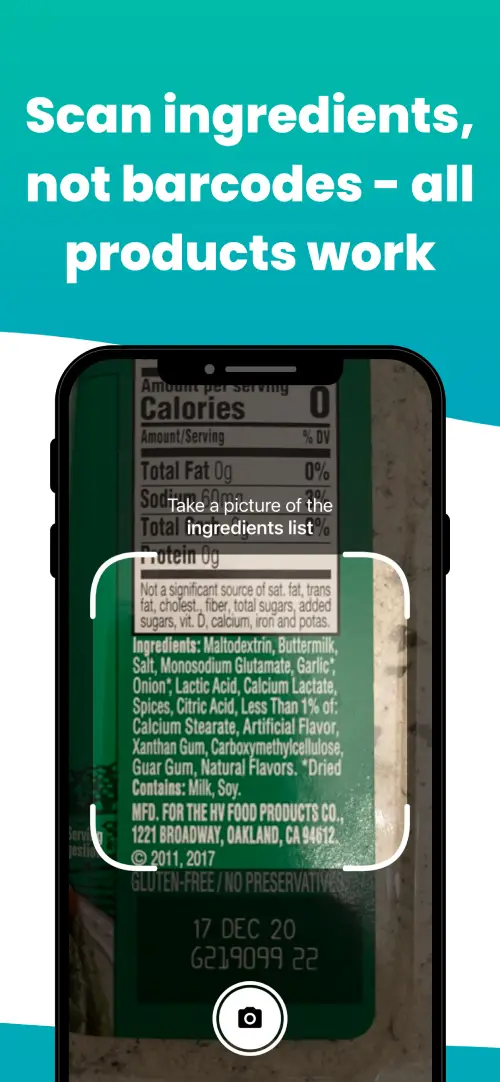
We've built a vegan ingredients scanner that classifies food ingredients as "vegan", "non-vegan", or "potentially vegan".
It allows you to avoid non-vegan ingredients - just take a picture of a product's ingredient list, and the app tells you if the product is vegan or not.



Check out other ingredients:
Is plain yoghurt vegan?Is plain greek yogurt vegan?Is strained yogurt vegan?Is strawberry yogurt vegan?Is pie yogurt frozen vegan?Is yoghurt-coated vegan?Is nonfat yogurt vegan?Is natural yoghurt vegan?Are yogurt burst cheerios vegan?Is lowfat yogurt vegan?Is yogurt dressing vegan?Are complexes cuivre chlorophylles vegan?
We'll never send you spam.