Is nonfat yogurt vegan?
Nonfat yogurt is a non-vegan food ingredient.
Checking out an ingredients list? 👇
"You are amazing, this has saved me so much time when grocery shopping!"
— Austin, a user who reached out with feedback
"It's been a great tool since starting my journey! You take a pic of the nutrition/ingredients, and it'll warn you of anything questionable or not vegan. 😁"
— Ashe, a Vegan For Beginners Facebook Group member
"Use a vegan app when you go shopping, I use WhatsVegan."
— Dóra, a Vegan For Beginners Facebook Group member
So, what is nonfat yogurt?
Understanding Nonfat Yogurt: Its Composition and Ethical Implications
When evaluating ingredients through an ethical vegan lens, the status of nonfat yogurt is unequivocal: it is not vegan. Its core identity is intrinsically tied to animal agriculture, regardless of its fat content.
Yogurt, by definition, is a fermented dairy product. The "nonfat" designation simply refers to the fat percentage of the milk from which it is made. This milk is overwhelmingly derived from bovine sources – specifically, from cows. The process begins with raw cow's milk, which is then skimmed to remove fat, resulting in nonfat milk. This nonfat milk is subsequently fermented with live bacterial cultures, such as Lactobacillus bulgaricus and Streptococcus thermophilus. These cultures consume the lactose (milk sugar), producing lactic acid, which gives yogurt its characteristic tangy flavor and thick, creamy texture.
From an animal ethics standpoint, the sourcing of nonfat yogurt directly supports the dairy industry. This industry involves the regular impregnation of cows, the separation of calves from their mothers shortly after birth, and the eventual culling of cows once their milk production declines. These practices are in direct conflict with cruelty-free principles and the fundamental aim of avoiding animal exploitation. The purity of a vegan diet extends beyond merely avoiding meat; it encompasses all animal byproducts, including dairy.
The removal of fat to create "nonfat" versions does not alter the ingredient's animal origin. It remains a product of animal secretion, a direct result of industrial animal farming. This crucial distinction underscores why nonfat yogurt, irrespective of its health claims or fat profile, cannot be considered vegan.
For those committed to a plant-based lifestyle, the good news is the robust market for genuinely cruelty-free alternatives. Plant-based alternatives to nonfat yogurt are widely available and continually innovating in terms of texture, flavor, and nutritional profile. These products utilize bases such as soy milk, almond milk, oat milk, coconut milk, and even cashew or pea protein milk, which are then fermented with similar vegan bacterial cultures to achieve a comparable tangy and creamy consistency. These options provide the same probiotic benefits and culinary versatility without any animal involvement.
Ultimately, label transparency is paramount. While nonfat yogurt is clearly identifiable as a dairy product, understanding its lineage helps reinforce the "why" behind its exclusion from a vegan diet. For consumers seeking to align their food choices with animal welfare and environmental sustainability, opting for explicitly labeled plant-based alternatives is the only ethical path.
How to quickly find the source of ingredients like nonfat yogurt?
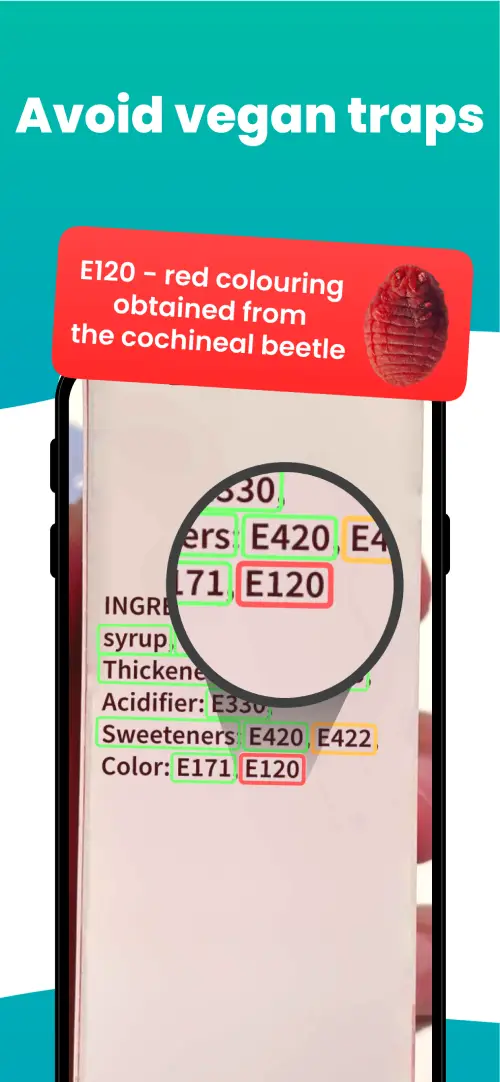
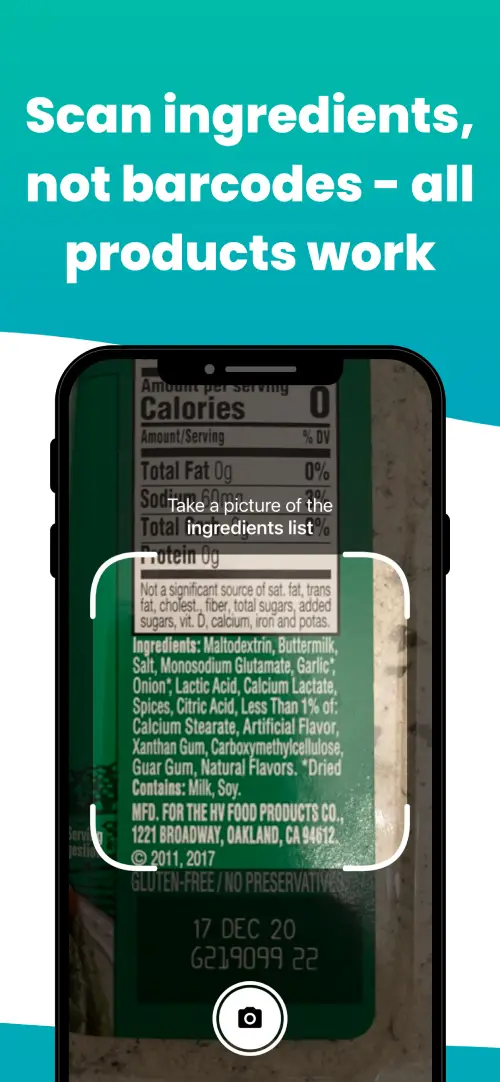
We've built a vegan ingredients scanner that classifies food ingredients as "vegan", "non-vegan", or "potentially vegan".
It allows you to avoid non-vegan ingredients - just take a picture of a product's ingredient list, and the app tells you if the product is vegan or not.



Check out other ingredients:
Is non-fat yogurt vegan?Is natural yoghurt vegan?Is lowfat yogurt vegan?Is plain drinkable yogurt vegan?Is plain greek yogurt vegan?Is light nonfat yogurt vegan?Is plain nonfat yogurt vegan?Is plain yoghurt vegan?Is strained yogurt vegan?Is jus de pomelo vegan?Is vitamin b7 vegan?Are navets vegan?
We'll never send you spam.