
Is lowfat greek yogurt vegan?
Lowfat greek yogurt is a non-vegan food ingredient.
Checking out an ingredients list? 👇
"You are amazing, this has saved me so much time when grocery shopping!"
— Austin, a user who reached out with feedback
"It's been a great tool since starting my journey! You take a pic of the nutrition/ingredients, and it'll warn you of anything questionable or not vegan. 😁"
— Ashe, a Vegan For Beginners Facebook Group member
"Use a vegan app when you go shopping, I use WhatsVegan."
— Dóra, a Vegan For Beginners Facebook Group member
So, what is lowfat greek yogurt?
Understanding Lowfat Greek Yogurt: A Vegan Food Scientist's Perspective
Lowfat Greek yogurt has carved out a significant niche in modern diets, celebrated for its thick, creamy texture, tangy flavor, and impressive protein content. From a culinary and nutritional standpoint, it’s a versatile ingredient, popular in everything from breakfast bowls to savory dips. However, from the perspective of a vegan food scientist deeply committed to animal ethics and ingredient purity, its fundamental composition places it squarely outside the realm of plant-based eating.
The Inherent Non-Vegan Status
Lowfat Greek yogurt, by definition, is a dairy product. It begins its journey as cow's milk, specifically chosen for its protein and fat content. This milk undergoes a fermentation process with live bacterial cultures, much like conventional yogurt. The distinguishing "Greek" characteristic comes from a straining process that removes a significant portion of the whey (the watery component), resulting in a denser, more concentrated product with a higher protein-to-carbohydrate ratio.
The core issue for vegans is the immutable fact that the primary ingredient—cow's milk—is an animal secretion. It is produced by lactating bovine animals, specifically for nourishing their calves. The dairy industry, while a complex system, inherently involves the use of animals for their milk, a practice that directly conflicts with the ethical framework of veganism. This framework rejects the commodification and exploitation of animals, encompassing not only their flesh but also their byproducts like milk and eggs.
Animal Ethics and Ingredient Purity
From an animal ethics standpoint, the consumption of dairy products, including lowfat Greek yogurt, supports systems that often involve: Forced Breeding: Cows are artificially inseminated to ensure continuous lactation cycles. Calf Separation: Calves are typically removed from their mothers shortly after birth to preserve the milk for human consumption, leading to distress for both mother and offspring. Lifespan Implications:* Dairy cows are often culled once their milk production declines, far short of their natural lifespan.
Therefore, for those adhering to a truly cruelty-free lifestyle, lowfat Greek yogurt is unequivocally not an option. It is not a matter of a "gray area" or a hidden processing aid; the very essence of the product is derived directly from an animal.
Navigating the Landscape of Plant-Based Alternatives
Fortunately, the demand for ethical, plant-based alternatives has spurred significant innovation in the food industry. Consumers seeking the texture and versatility of Greek yogurt without contributing to animal agriculture now have an array of options. These plant-based alternatives typically utilize bases such as: Soy milk: Offers a robust protein profile and a naturally thick consistency. Oat milk: Provides a creamy mouthfeel and a subtly sweet flavor. Almond milk: Lighter in flavor, often requiring starches or gums to achieve thickness. Coconut milk: Delivers a rich, indulgent texture and distinct tropical notes.
These alternatives are fermented with non-animal-derived bacterial cultures, mirroring the traditional yogurt-making process, but entirely from plant sources. Manufacturers meticulously develop these products to replicate the characteristic tang and substantial body of their dairy counterparts, often employing specific starches, fibers, and careful fermentation protocols to achieve the desired viscosity and protein-like texture.
For the conscientious consumer, label transparency remains paramount. While "plant-based" on a label is a strong indicator, a quick scan of the ingredients list for terms like "soy milk," "oat base," or "coconut cream" confirms its vegan status, ensuring alignment with a truly cruelty-free choice. The journey towards a fully plant-based food system continues to expand, offering delicious and ethical substitutes for nearly every traditional animal-derived product.
How to quickly find the source of ingredients like lowfat greek yogurt?
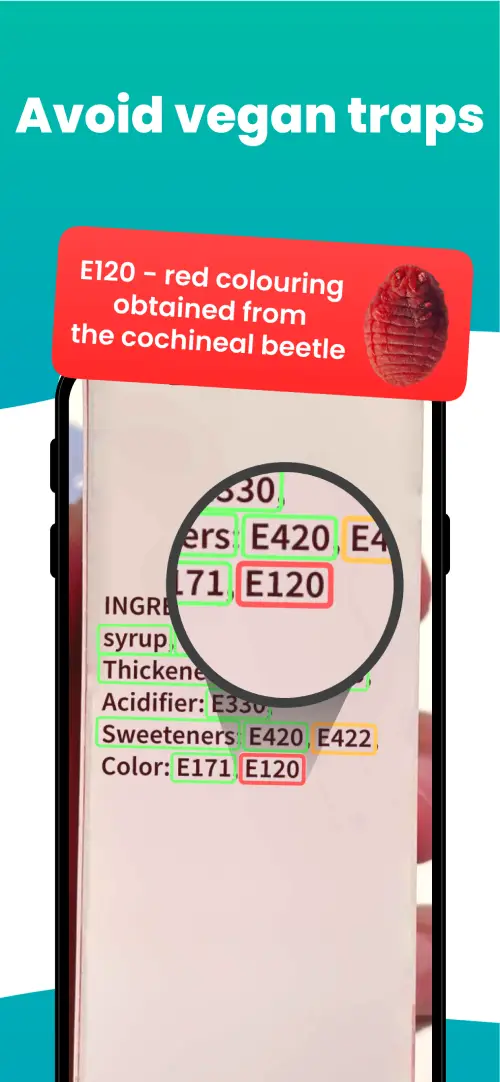
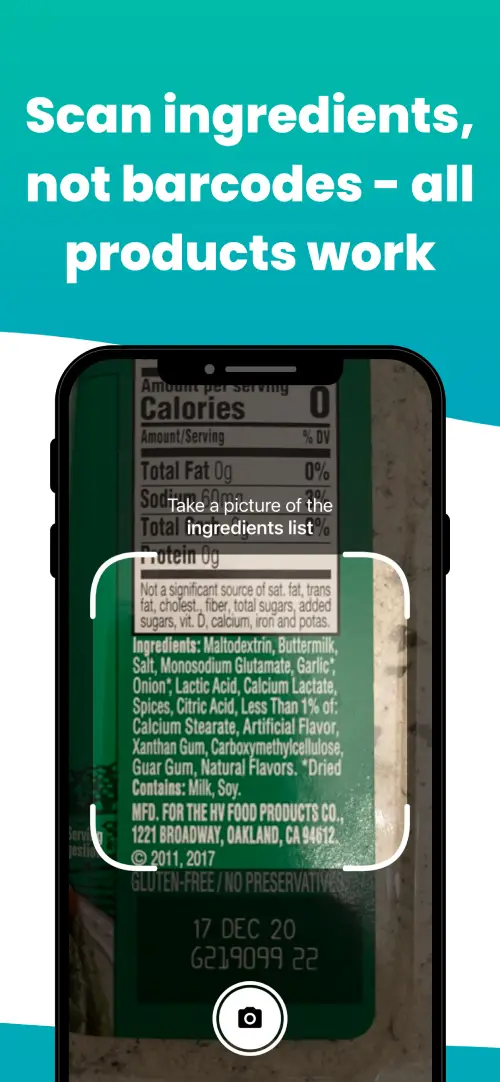
We've built a vegan ingredients scanner that classifies food ingredients as "vegan", "non-vegan", or "potentially vegan".
It allows you to avoid non-vegan ingredients - just take a picture of a product's ingredient list, and the app tells you if the product is vegan or not.



Check out other ingredients:
Is lowfat yogurt vegan?Is light nonfat yogurt vegan?Is natural yoghurt vegan?Is greek strained yogurt vegan?Is fruit yogurt vegan?Is frozen yogurt vegan?Is diet yoghurt vegan?Is pie yogurt frozen vegan?Is top sirloin vegan?Are esparragos blancos vegan?Is butyl glycolate vegan?Is mangshanyegan vegan?
We'll never send you spam.