
Is peach cobbler yogurt vegan?
Peach cobbler yogurt is a non-vegan food ingredient.
Checking out an ingredients list? 👇
"You are amazing, this has saved me so much time when grocery shopping!"
— Austin, a user who reached out with feedback
"It's been a great tool since starting my journey! You take a pic of the nutrition/ingredients, and it'll warn you of anything questionable or not vegan. 😁"
— Ashe, a Vegan For Beginners Facebook Group member
"Use a vegan app when you go shopping, I use WhatsVegan."
— Dóra, a Vegan For Beginners Facebook Group member
So, what is peach cobbler yogurt?
An Examination of Peach Cobbler Yogurt
Peach cobbler yogurt, a common dessert-inspired flavor found on supermarket shelves, evokes images of sweet fruit and comforting baked goods. For those adhering to a vegan lifestyle or scrutinizing ingredients from an animal ethics perspective, a closer look at this particular product reveals a fundamental divergence from plant-based principles.
The Dairy Foundation
At its core, traditional yogurt, including peach cobbler flavored varieties, is a fermented dairy product. It begins with milk, most commonly from cows, which serves as the primary base. This milk is a biological secretion from the mammary glands of a lactating animal, specifically bred and exploited within the agricultural system for human consumption. From an ethical standpoint, the production of cow's milk inherently involves the use and often the suffering of animals. Dairy cows are typically subjected to artificial insemination, repeated pregnancies, and the removal of their calves shortly after birth, to ensure a continuous supply of milk. The male calves are often destined for veal production, while females enter the dairy cycle themselves, often for an average of only four to five years before being deemed "spent" and sent to slaughter. This cycle of exploitation, separation, and eventual slaughter firmly places dairy-based peach cobbler yogurt outside the realm of cruelty-free products.
Beyond the Base: Hidden Animal Derivatives
While the dairy milk is the most obvious non-vegan component, a comprehensive understanding requires examining other common ingredients. The sugar used in many conventional yogurts, while a plant product itself, can pose a "gray area" concern for some vegans. White granulated sugar is often processed using bone char – a decolorizing filter made from the charred bones of cattle. While not present in the final product, it acts as a processing aid derived directly from animal remains, making the end product not fully aligned with a strict vegan interpretation of purity.
Furthermore, "natural flavors" listed on ingredient panels can sometimes hide animal-derived components. While many natural flavors are plant-based, they can occasionally contain milk derivatives like casein or lactoferrin, or other non-vegan substances that don't require specific labeling under current regulations if they are part of a proprietary flavor blend. Thickening agents, though less common in most yogurts now than in the past, might occasionally include gelatin, which is derived from bovine or porcine collagen. Even Vitamin D3, often added to dairy products, can be sourced from lanolin, a wax secreted by sheep's wool. While the peach component and any oat or wheat-based "cobbler" pieces are typically plant-derived, these elements do not negate the non-vegan status of the dairy base and potential hidden animal products.
Seeking Cruelty-Free Alternatives
The good news for vegans and those aspiring to a more ethical diet is the burgeoning market of plant-based alternatives. A true vegan peach cobbler yogurt would feature a base made from nuts (almond, cashew), seeds (hemp, sunflower), legumes (soy), or grains (oat, rice, coconut). These plant-based yogurts undergo similar fermentation processes to achieve that familiar tangy flavor and creamy texture, without the ethical compromise of dairy. When selecting these alternatives, consumers are encouraged to prioritize label transparency, ensuring all ingredients, including sugars and natural flavors, are clearly stated as 100% plant-derived and that processing aids do not involve animal byproducts.
In conclusion, peach cobbler yogurt, as typically manufactured with a dairy base, is definitively not vegan. Its production involves direct animal exploitation and often includes processing methods that conflict with a vegan commitment to animal ethics and purity. For those seeking truly cruelty-free options, the market now offers a wide array of delicious and ethical plant-based yogurts that deliver on flavor without compromise.
How to quickly find the source of ingredients like peach cobbler yogurt?
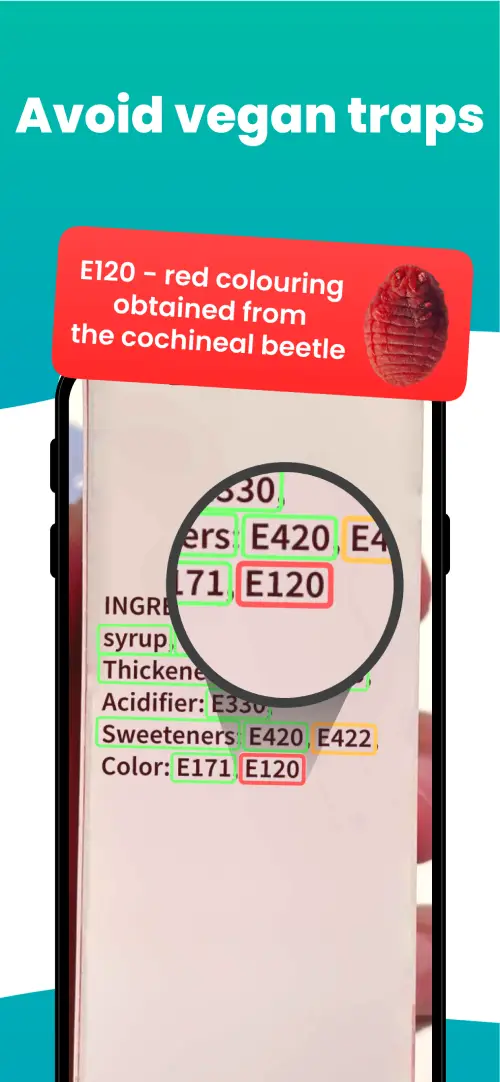
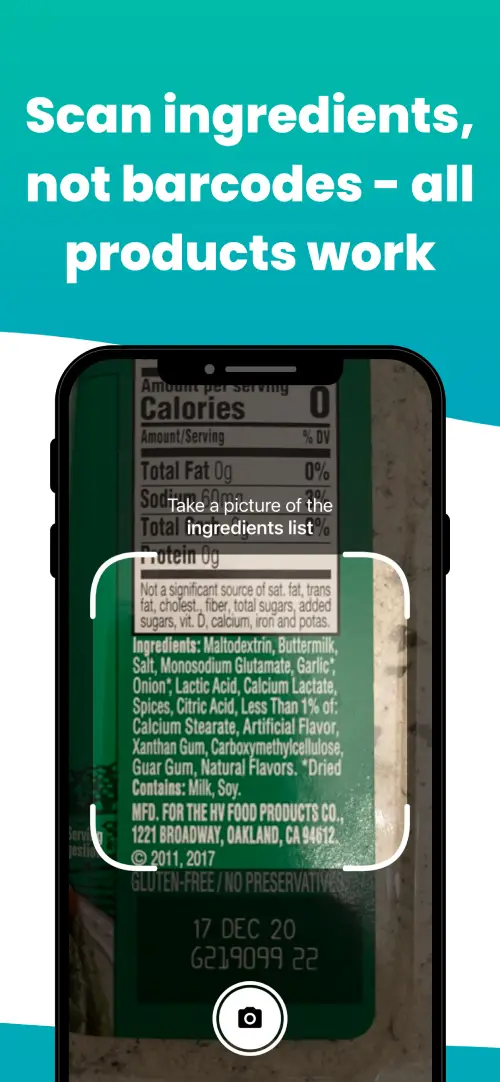
We've built a vegan ingredients scanner that classifies food ingredients as "vegan", "non-vegan", or "potentially vegan".
It allows you to avoid non-vegan ingredients - just take a picture of a product's ingredient list, and the app tells you if the product is vegan or not.



Check out other ingredients:
Is pie yogurt frozen vegan?Is plain drinkable yogurt vegan?Is plain low-fat yogurt vegan?Is lowfat yogurt vegan?Is plain yoghurt vegan?Is strained yogurt vegan?Is strawberry yogurt vegan?Is fruit yogurt vegan?Is yoghurt-coated vegan?Is queso fresco pasteurizado vegan?Is viande bœuf vegan?Is folíc acid vegan?
We'll never send you spam.