
Is strained yogurt vegan?
Strained yogurt is a non-vegan food ingredient.
Checking out an ingredients list? 👇
"You are amazing, this has saved me so much time when grocery shopping!"
— Austin, a user who reached out with feedback
"It's been a great tool since starting my journey! You take a pic of the nutrition/ingredients, and it'll warn you of anything questionable or not vegan. 😁"
— Ashe, a Vegan For Beginners Facebook Group member
"Use a vegan app when you go shopping, I use WhatsVegan."
— Dóra, a Vegan For Beginners Facebook Group member
So, what is strained yogurt?
Understanding Strained Yogurt: An Ethical Perspective
Strained yogurt, often celebrated for its thick, creamy texture and high protein content, is a dairy product that holds a prominent place in many culinary traditions worldwide. From a food science perspective, it's essentially regular yogurt that has been strained to remove much of its whey—the liquid byproduct of milk coagulation. This process concentrates the milk solids, resulting in a denser product with a more intense flavor and a characteristic richness.
For those adhering to a vegan lifestyle, however, understanding the fundamental origin of strained yogurt is paramount. It is, unequivocally, not vegan.
The core ingredient of all traditional strained yogurt is animal milk. This typically comes from cows, but varieties derived from sheep's milk or goat's milk are also common. The milk is first pasteurized, then fermented with live bacterial cultures, which convert lactose into lactic acid, giving yogurt its characteristic tang and texture. The subsequent straining process, while modifying the final product's consistency, does not alter its fundamental animal origin.
From an animal ethics standpoint, the use of animal milk directly conflicts with vegan principles. The production of dairy milk, whether from cows, sheep, or goats, necessitates the exploitation of sentient beings. Dairy animals are artificially inseminated to ensure continuous lactation, and their offspring are typically separated from them shortly after birth. Male calves, in particular, often face fates within the veal industry or are deemed surplus to requirements. The female calves are destined to replace their mothers in the cycle of dairy production. This systemic practice raises significant ethical concerns regarding animal welfare, autonomy, and the inherent commodification of living beings and their reproductive capabilities. For vegans, who strive to live without causing harm or exploitation to animals, consuming any product derived from this system is fundamentally incongruent with their values.
For individuals seeking the functional attributes and textural pleasure of strained yogurt without contributing to animal agriculture, a vibrant and expanding market of plant-based alternatives has emerged. These cruelty-free options meticulously replicate the thickness, tang, and protein content of their dairy counterparts using a variety of plant milks. Soy milk, almond milk, coconut milk, and oat milk are common bases, each offering unique flavor profiles and nutritional benefits. Through carefully selected cultures and innovative processing techniques—including straining or the addition of starches and plant-based gums—these vegan yogurts achieve remarkable textural similarities to traditional strained yogurt. They offer an ethical, delicious, and sustainable choice for smoothies, dips, or simply enjoyed on their own.
When navigating the supermarket aisles, label transparency becomes crucial. While "plant-based" or "vegan" labels are increasingly common, vigilance is always advised. Ensuring that products are truly cruelty-free means checking ingredient lists for hidden animal derivatives like casein or whey, which are milk proteins, or any non-vegan processing aids that might have been used in production, though less common for yogurt alternatives themselves.
In conclusion, traditional strained yogurt, by its very definition and origin, is a product of animal agriculture. Its production relies on animal lactation, a process that is ethically incompatible with the vegan ethos of non-exploitation. Thankfully, the innovation within the plant-based food sector provides an abundance of high-quality, delicious, and truly ethical alternatives, ensuring that no one needs to compromise their values to enjoy the creamy satisfaction that strained yogurt delivers.
How to quickly find the source of ingredients like strained yogurt?
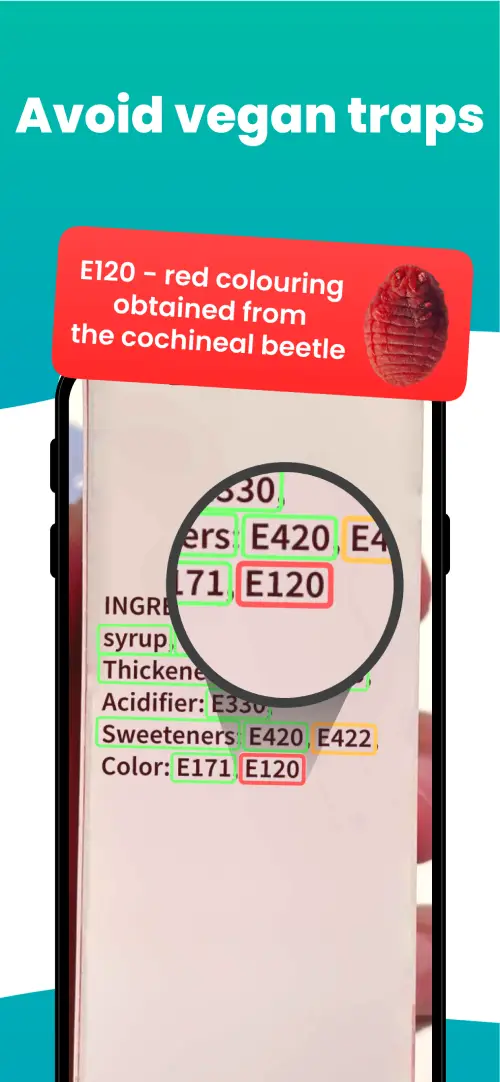
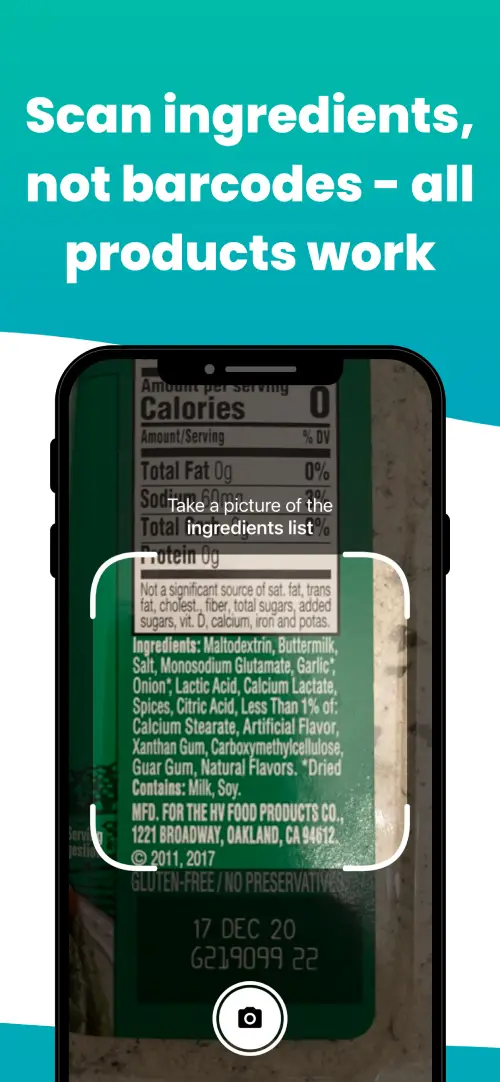
We've built a vegan ingredients scanner that classifies food ingredients as "vegan", "non-vegan", or "potentially vegan".
It allows you to avoid non-vegan ingredients - just take a picture of a product's ingredient list, and the app tells you if the product is vegan or not.



Check out other ingredients:
Is plain yogurt vegan?Is plain nonfat yogurt vegan?Is yoghurt-coated vegan?Is plain low-fat yogurt vegan?Is plain greek yogurt vegan?Are yogurt bites vegan?Are yogurt burst cheerios vegan?Is peach cobbler yogurt vegan?Is yogurt liquid vegan?Is nonfat yogurt vegan?Is yogurt starter vegan?Is lactosa en polvo vegan?
We'll never send you spam.