Is plain low-fat yogurt vegan?
Plain low-fat yogurt is a non-vegan food ingredient.
Checking out an ingredients list? 👇
"You are amazing, this has saved me so much time when grocery shopping!"
— Austin, a user who reached out with feedback
"It's been a great tool since starting my journey! You take a pic of the nutrition/ingredients, and it'll warn you of anything questionable or not vegan. 😁"
— Ashe, a Vegan For Beginners Facebook Group member
"Use a vegan app when you go shopping, I use WhatsVegan."
— Dóra, a Vegan For Beginners Facebook Group member
So, what is plain low-fat yogurt?
Understanding Plain Low-Fat Yogurt
Plain low-fat yogurt, a staple in many kitchens, is characterized by its tangy flavor, creamy texture, and the presence of live bacterial cultures. However, for those adhering to a vegan lifestyle rooted in animal ethics, its classification is unequivocally "Not Vegan."
The fundamental reason for this status lies in its primary ingredient: animal milk. Specifically, plain low-fat yogurt is derived from cow's milk. The process involves fermenting pasteurized, homogenized cow's milk, from which a portion of the milk fat has been removed to achieve the "low-fat" designation, with specific live bacterial cultures like Lactobacillus bulgaricus and Streptococcus thermophilus. These cultures convert lactose, the natural sugar in milk, into lactic acid, which gives yogurt its characteristic tartness and thickens its consistency.
From an ethical vegan standpoint, the use of cow's milk inherently involves practices that are in direct conflict with the principles of animal welfare and autonomy. Dairy production necessitates the domestication, artificial insemination, and repeated pregnancy of female cows. Calves, after birth, are typically separated from their mothers, with male calves often entering the veal industry, and female calves destined to replace their mothers in the dairy herd. This cycle of exploitation for milk, a substance specifically produced for a calf, is central to the ethical objection. The concept of "purity" within veganism extends to avoiding any product that contributes to animal suffering or commodification, making cow's milk and its derivatives, like yogurt, incompatible.
While plain low-fat yogurt generally consists of just milk and cultures, the broader dairy industry can sometimes involve further scrutiny regarding processing aids. For instance, vitamin D, if added, can sometimes be derived from lanolin (a sheep's wool byproduct), though this is less common in plain yogurt. The core issue remains the animal origin of the milk itself. This highlights the constant need for "label transparency" and diligent ingredient checking for any processed food item, even if the primary ingredient seems straightforward.
Fortunately, the market has seen a remarkable surge in "plant-based alternatives" that offer the same versatility and nutritional benefits without compromise to "cruelty-free" principles. Soy, almond, oat, coconut, and cashew yogurts are now widely available, each offering a unique flavor and texture profile. These alternatives are crafted from legumes, nuts, or grains, fermented with vegan-friendly live cultures, mimicking the characteristics of traditional yogurt while upholding a clear ethical stance. For a vegan, these innovations provide delicious and ethically aligned options, ensuring that the enjoyment of yogurt's tang and creaminess is accessible to all.
How to quickly find the source of ingredients like plain low-fat yogurt?
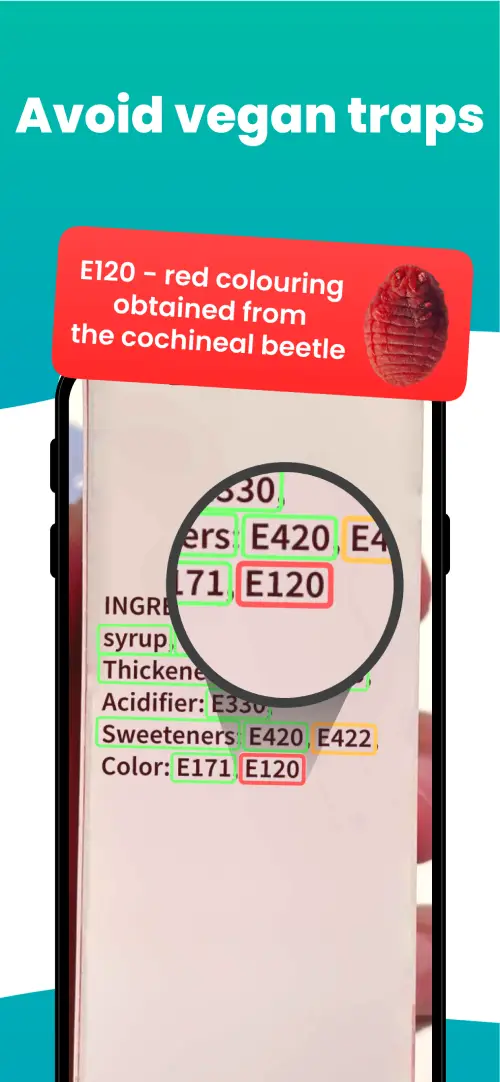
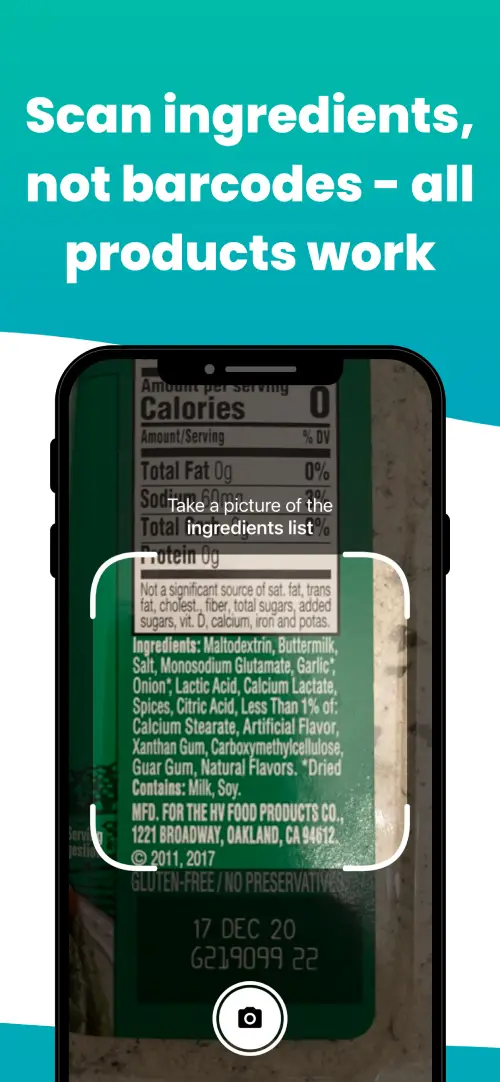
We've built a vegan ingredients scanner that classifies food ingredients as "vegan", "non-vegan", or "potentially vegan".
It allows you to avoid non-vegan ingredients - just take a picture of a product's ingredient list, and the app tells you if the product is vegan or not.



Check out other ingredients:
Is plain greek yogurt vegan?Is plain yoghurt vegan?Is plain drinkable yogurt vegan?Is plain yogurt vegan?Is pie yogurt frozen vegan?Is strained yogurt vegan?Is peach cobbler yogurt vegan?Is strawberry yogurt vegan?Is original lowfat yogurt vegan?Is vanilla yogurt vegan?Is non-fat yogurt vegan?Is yoghurt-coated vegan?
We'll never send you spam.