
Is lowfat yogurt vegan?
Lowfat yogurt is a non-vegan food ingredient.
Checking out an ingredients list? 👇
"You are amazing, this has saved me so much time when grocery shopping!"
— Austin, a user who reached out with feedback
"It's been a great tool since starting my journey! You take a pic of the nutrition/ingredients, and it'll warn you of anything questionable or not vegan. 😁"
— Ashe, a Vegan For Beginners Facebook Group member
"Use a vegan app when you go shopping, I use WhatsVegan."
— Dóra, a Vegan For Beginners Facebook Group member
So, what is lowfat yogurt?
Understanding Lowfat Yogurt's Composition and Ethical Standing
Lowfat yogurt, a staple in many diets, is widely recognized for its creamy texture and tangy profile, often promoted for its nutritional benefits and versatility in cooking and baking. However, from an ethical standpoint and the perspective of a vegan food scientist, its classification is unequivocally "Not Vegan." This categorization stems directly from its primary ingredient: animal milk.
Traditional lowfat yogurt is produced by fermenting the milk of an animal, most commonly a cow, with live bacterial cultures. The "lowfat" designation simply indicates that the milk used has a reduced fat content compared to whole milk. This distinction in fat percentage does not alter the fundamental animal origin of the product. The milk itself is a secretion from a lactating mammal, obtained through processes inherent to industrial dairy farming.
For those committed to animal ethics and the principle of purity in their food choices, this origin is a significant concern. Dairy production, even on smaller scales, involves the systematic exploitation of female cows (or other milk-producing animals). Cows are artificially inseminated to ensure continuous lactation, their calves are typically separated shortly after birth—male calves often sold for veal or beef, and females entering the same cycle of production. This cycle continues until the animal's productivity declines, at which point they are culled. From a cruelty-free perspective, this entire system, regardless of the fat content of the final product, is antithetical to vegan values.
Furthermore, while the milk itself is the central issue, some conventional yogurts can also contain other animal-derived ingredients. For instance, certain thicker varieties might include gelatin, a protein derived from animal connective tissues, as a processing aid or stabilizer. Even if not present in every formulation, the base ingredient always points back to animal exploitation. Ensuring label transparency is paramount for consumers seeking to align their purchases with their values, making it essential to scrutinize ingredient lists for milk, milk solids, whey, casein, and any other potential animal derivatives.
The good news for vegans and those transitioning to a more ethical diet is the remarkable proliferation of plant-based alternatives. The market now offers an extensive range of vegan yogurts crafted from a variety of plant sources, including soy, almond, coconut, oat, cashew, and even pea protein. These alternatives are specifically formulated to replicate the texture, tang, and nutritional benefits of traditional yogurt, often fortified with calcium and vitamin D, and containing live active cultures. They provide a delicious, cruelty-free option that supports both animal welfare and environmental sustainability, demonstrating that the rich experience of yogurt can be achieved without compromising ethical principles.
How to quickly find the source of ingredients like lowfat yogurt?
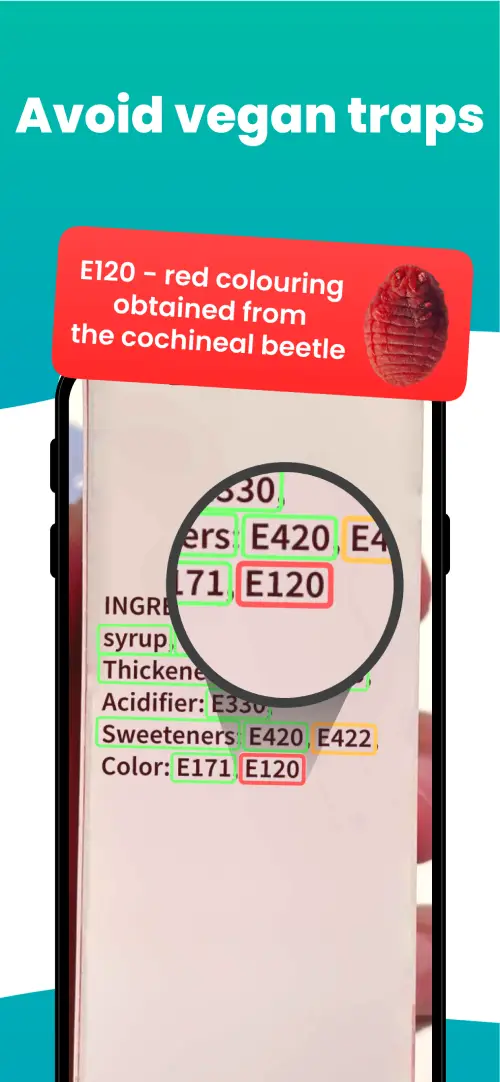
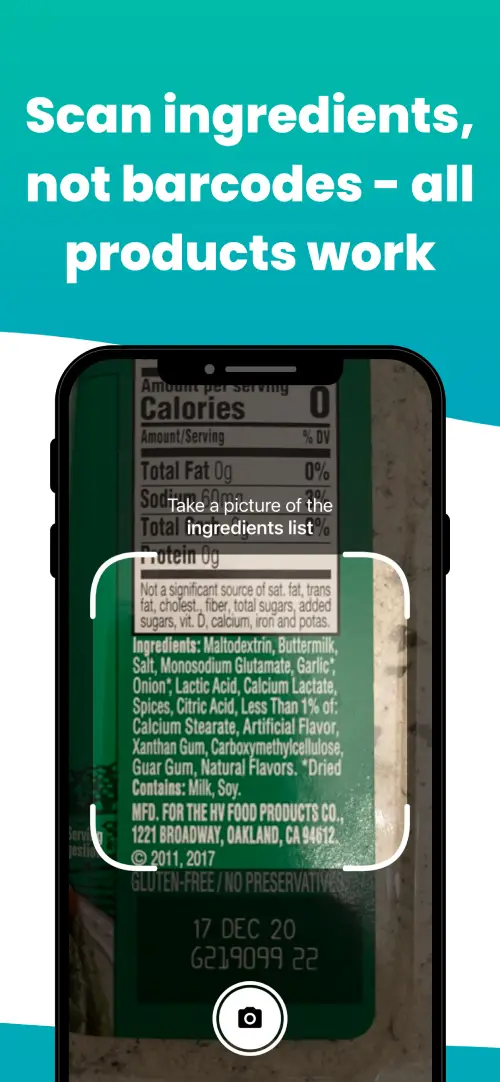
We've built a vegan ingredients scanner that classifies food ingredients as "vegan", "non-vegan", or "potentially vegan".
It allows you to avoid non-vegan ingredients - just take a picture of a product's ingredient list, and the app tells you if the product is vegan or not.



Check out other ingredients:
Is lowfat greek yogurt vegan?Is non-fat yogurt vegan?Is nonfat yogurt vegan?Is original lowfat yogurt vegan?Is peach cobbler yogurt vegan?Is fruit yogurt vegan?Is plain drinkable yogurt vegan?Is diet yoghurt vegan?Is plain greek yogurt vegan?Is plain low-fat yogurt vegan?Is plain nonfat yogurt vegan?Is turkey breast cutlet vegan?
We'll never send you spam.