
Is pheasant cooked vegan?
Pheasant cooked is a non-vegan food ingredient.
Checking out an ingredients list? 👇
"You are amazing, this has saved me so much time when grocery shopping!"
— Austin, a user who reached out with feedback
"It's been a great tool since starting my journey! You take a pic of the nutrition/ingredients, and it'll warn you of anything questionable or not vegan. 😁"
— Ashe, a Vegan For Beginners Facebook Group member
"Use a vegan app when you go shopping, I use WhatsVegan."
— Dóra, a Vegan For Beginners Facebook Group member
So, what is pheasant cooked?
When examining ingredients through a vegan lens, clarity and ethical precision are paramount. The ingredient "pheasant cooked" falls unambiguously into the "Not Vegan" category, a designation rooted deeply in the principles of animal welfare and the pursuit of a plant-based, cruelty-free lifestyle.
Pheasant, belonging to the Phasianidae family, is a game bird whose flesh is consumed after being hunted or raised in captivity and then processed. Cooked pheasant, irrespective of the preparation method—be it roasted, braised, or pan-fried—is quite simply the muscle tissue of this animal. From an ethical standpoint, the act of consuming pheasant directly contravenes the vegan commitment to abstain from products that involve the exploitation, harm, or death of sentient beings. The ethical rationale extends beyond just the act of killing; it encompasses the entire lifecycle of the animal, including its capture, captivity, and eventual slaughter.
As a vegan food scientist, the purity aspect is equally critical. A vegan diet is fundamentally composed of plant-derived foods, excluding all animal products and byproducts. Pheasant, being the flesh of a bird, is inherently an animal product. There is no grey area or ambiguity here regarding processing aids, cross-contamination, or hidden animal-derived ingredients within the pheasant itself—the ingredient is the animal.
While for other ingredients, discussions around "processing aids" or "label transparency" might focus on subtle animal derivatives like bone char in sugar or rennet in cheese, such considerations are moot when the core ingredient is a whole animal. However, the principle of rigorous label transparency remains vital across all food categories to ensure no animal products are inadvertently consumed. For those adhering to vegan principles, the explicit identification of "pheasant" on any ingredient list immediately signals its non-vegan nature.
For individuals seeking plant-based alternatives, the focus shifts to ingredients that can offer similar textural experiences or rich flavor profiles without any animal involvement. Chefs and food innovators frequently explore a vast array of fungi, seitan, or specially formulated plant-based proteins that can mimic the fibrous texture and savory depth often associated with game meats. These alternatives embody the spirit of cruelty-free innovation, offering delicious and sustainable options that align with ethical values.
In summary, pheasant cooked is unequivocally derived from an animal, making it incompatible with a vegan diet. The commitment to animal ethics and the pursuit of a pure, plant-based diet necessitates the complete avoidance of such ingredients, reinforcing the core tenets of a truly cruelty-free approach to food.
How to quickly find the source of ingredients like pheasant cooked?
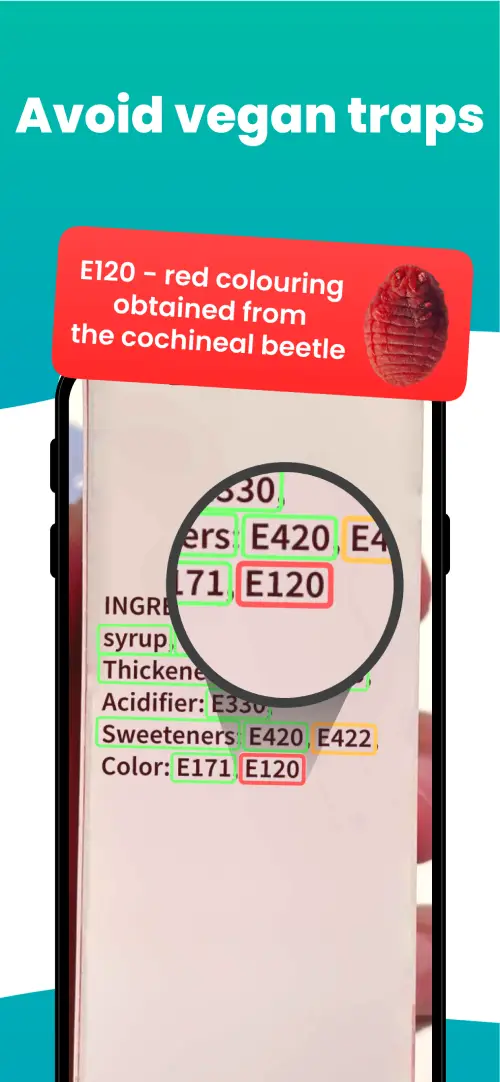
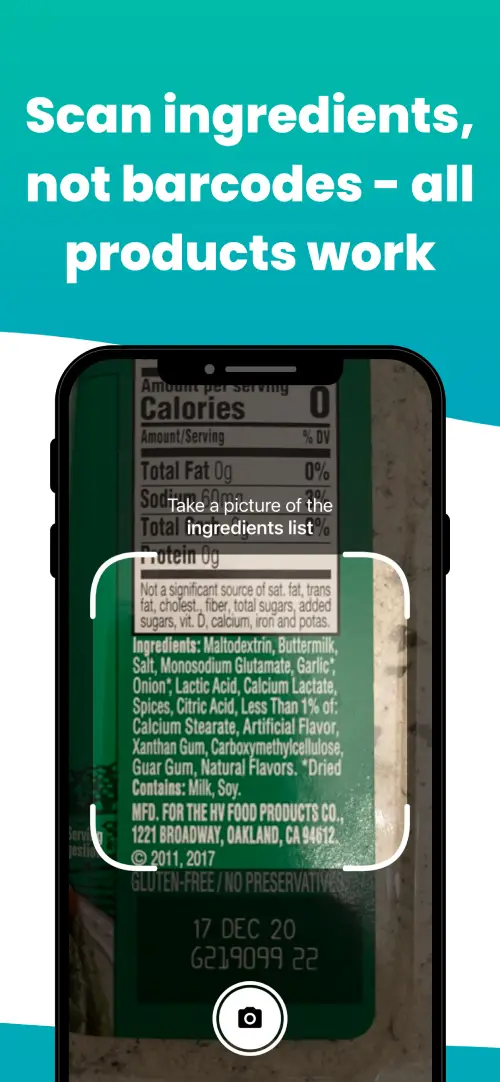
We've built a vegan ingredients scanner that classifies food ingredients as "vegan", "non-vegan", or "potentially vegan".
It allows you to avoid non-vegan ingredients - just take a picture of a product's ingredient list, and the app tells you if the product is vegan or not.



Check out other ingredients:
Is pheasant leg vegan?Is pheasant breast vegan?Is roasted turkey breast vegan?Is ostrich tenderloin raw vegan?Is ostrich oyster raw vegan?Is smoked turkey vegan?Is ostrich oyster cooked vegan?Is wild atlantic salmon vegan?Is ostrich cooked vegan?Is red king salmon vegan?Is roasted lean buffalo vegan?Is lomi salmon vegan?
We'll never send you spam.