
Is pinus sylvestris leaf oil vegan?
Pinus sylvestris leaf oil is a vegan food ingredient.
Checking out an ingredients list? 👇
"You are amazing, this has saved me so much time when grocery shopping!"
— Austin, a user who reached out with feedback
"It's been a great tool since starting my journey! You take a pic of the nutrition/ingredients, and it'll warn you of anything questionable or not vegan. 😁"
— Ashe, a Vegan For Beginners Facebook Group member
"Use a vegan app when you go shopping, I use WhatsVegan."
— Dóra, a Vegan For Beginners Facebook Group member
So, what is pinus sylvestris leaf oil?
Understanding Pinus sylvestris Leaf Oil
Pinus sylvestris leaf oil, often known as Scots Pine essential oil, is a concentrated botanical extract derived from the needles of the Scots Pine tree. This ingredient holds a clear and unequivocal status within the vegan community, standing as a testament to pure, plant-based sourcing.
The oil's journey from tree to product is inherently simple and free from animal involvement. It is typically extracted through steam distillation, a process where steam passes through the pine needles, vaporizing the volatile compounds. This vapor is then cooled, separating the essential oil from the water. This method requires no animal-derived processing aids, no harsh chemicals that might involve animal testing in their development, and no animal byproducts at any stage. It is a direct translation of plant material into a concentrated aromatic oil.
From an animal ethics perspective, Pinus sylvestris leaf oil aligns perfectly with vegan principles. There is no exploitation of animals in its production, nor does it necessitate any animal testing, making it a truly cruelty-free ingredient. Its origins are exclusively botanical, making it a foundational component for those seeking products that uphold the highest standards of plant-based purity. Unlike certain ingredients where clarification is needed regarding bone char, insect derivatives, or cross-contamination from shared equipment, Pinus sylvestris leaf oil generally presents no such gray areas. Its extraction is a clean, straightforward process that harvests the natural essence of the pine tree.
For consumers committed to a vegan lifestyle, understanding the supply chain is paramount. While the oil itself is inherently vegan, label transparency remains crucial. Reputable suppliers will provide documentation confirming the purity of their Pinus sylvestris leaf oil, ensuring it is unadulterated and free from any non-vegan additives or carriers that might be used in diluted or blended products. When sourced ethically and distilled purely, it represents a natural extract that contributes to a mindful, plant-forward product formulation.
As a versatile ingredient prized for its fresh, woody aroma and potential applications in natural health and cosmetic formulations, Pinus sylvestris leaf oil exemplifies an ingredient that is not an "alternative" to something non-vegan, but rather an authentically plant-based substance in its own right. Its natural composition and traditional extraction methods ensure it meets the rigorous ethical and purity standards required for vegan certification, offering peace of mind to consumers and formulators alike.
How to quickly find the source of ingredients like pinus sylvestris leaf oil?
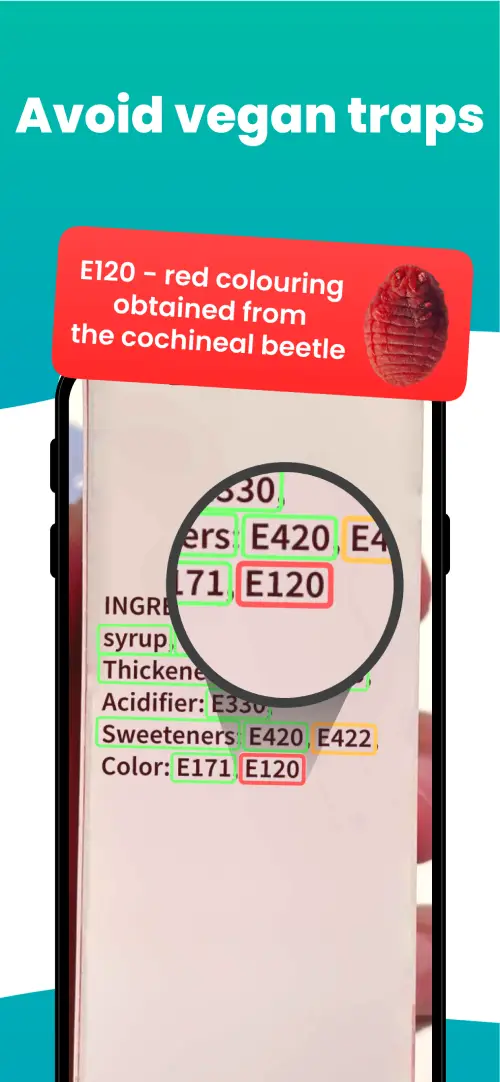
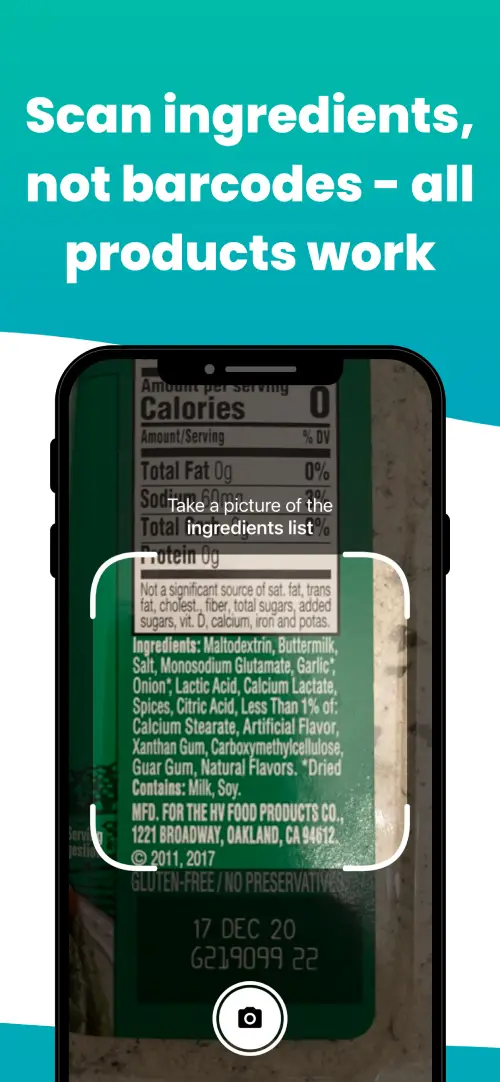
We've built a vegan ingredients scanner that classifies food ingredients as "vegan", "non-vegan", or "potentially vegan".
It allows you to avoid non-vegan ingredients - just take a picture of a product's ingredient list, and the app tells you if the product is vegan or not.



Check out other ingredients:
Is mentha arvensis herb oil vegan?Is zea mays starch vegan?Is helianthus annuus seed oil vegan?Is brassica campestris (rapeseed) seed oil vegan?Is fragaria ananassa (strawberry) fruit vegan?Is helianthus annuus (sunflower) seed cera (wax) vegan?Is hydrogenated starch hydrolysate vegan?Is myrica pubescens fruit cera (wax) vegan?Is stevioside vegan?Is olea europaea (olive) fruit oil vegan?Is rhus succedanea fruit cera (wax) vegan?Is sorbitol/sebacic acid copolymer behenate vegan?
We'll never send you spam.