
Is red 33 vegan?
Red 33 is a vegan food ingredient.
Checking out an ingredients list? 👇
"You are amazing, this has saved me so much time when grocery shopping!"
— Austin, a user who reached out with feedback
"It's been a great tool since starting my journey! You take a pic of the nutrition/ingredients, and it'll warn you of anything questionable or not vegan. 😁"
— Ashe, a Vegan For Beginners Facebook Group member
"Use a vegan app when you go shopping, I use WhatsVegan."
— Dóra, a Vegan For Beginners Facebook Group member
So, what is red 33?
Exploring Red 33: A Deep Dive into a Synthetic Colorant
In the intricate world of food science and consumer ethics, understanding the provenance of every ingredient is paramount, especially for those committed to a vegan lifestyle. Our focus today is Red 33, also known by its European designation CI 17200, a synthetic azo dye often utilized for its vibrant pink-to-red hue in various products. For the vegan consumer, the status of such a chemically derived component is often a point of inquiry.
The Definitive Vegan Status of Red 33
We can confidently state that Red 33 is vegan. Its production is entirely a result of chemical synthesis, meaning it is formulated in a laboratory environment from non-animal-derived precursors. This synthetic pathway is crucial to its vegan designation, as it completely bypasses the use of animal products, byproducts, or any animal involvement in its direct manufacturing process. Unlike naturally occurring colorants that might be extracted from plants or, in some unfortunate cases, insects, Red 33 is built from the ground up through chemical reactions.
The Ethical Purity of Synthesis
From the perspective of animal ethics and purity, the synthetic nature of Red 33 offers a clear advantage. There are no concerns about animal exploitation, no animal secretions, tissues, or derivatives of any kind. Its creation does not contribute to the demand for animal agriculture or animal testing during its ingredient-level development. This makes Red 33 a reliable choice for formulators and consumers seeking unequivocally cruelty-free ingredients in their products.
When we consider "processing aids," which can sometimes introduce non-vegan elements into otherwise plant-based ingredients, Red 33's synthesis pathway is inherently clean. The chemical reactions involved are controlled, and the materials used are specified to be non-animal in origin, ensuring that no hidden animal components are inadvertently introduced during its direct manufacture.
Navigating the Landscape of Red Colorants
While Red 33 is a synthetic vegan option, it’s important to acknowledge the broader spectrum of red colorants. This clarity helps in distinguishing truly vegan choices from others. For instance, carmine (derived from cochineal insects) is a clear non-vegan red often seen in labels. When seeking plant-based alternatives, vibrant red hues can be achieved through ingredients like beetroot extract, lycopene (from tomatoes), or anthocyanins (from various berries and red vegetables). These offer different shades and stability profiles compared to Red 33, but serve as excellent examples of direct plant-derived options.
However, Red 33 stands as a robust, consistent, and ethically sound synthetic option that reliably aligns with vegan principles. Its chemical stability and vibrant shade make it a preferred choice in many applications where a consistent, non-fading red is desired, ranging from cosmetics to certain food items globally.
Label Transparency and the Informed Consumer
For the diligent vegan consumer, understanding terms like "CI 17200" or "Red 33" on an ingredient list provides peace of mind. Its presence confirms a vegan-friendly colorant choice, rather than a potentially ambiguous natural extract that might require further investigation. This transparency empowers individuals to make informed purchasing decisions that align with their ethical convictions, further supporting the growing demand for genuinely cruelty-free and plant-based products. In essence, Red 33 exemplifies how chemical innovation can serve to enhance product aesthetics without compromising the fundamental ethical tenets of a vegan lifestyle.
How to quickly find the source of ingredients like red 33?
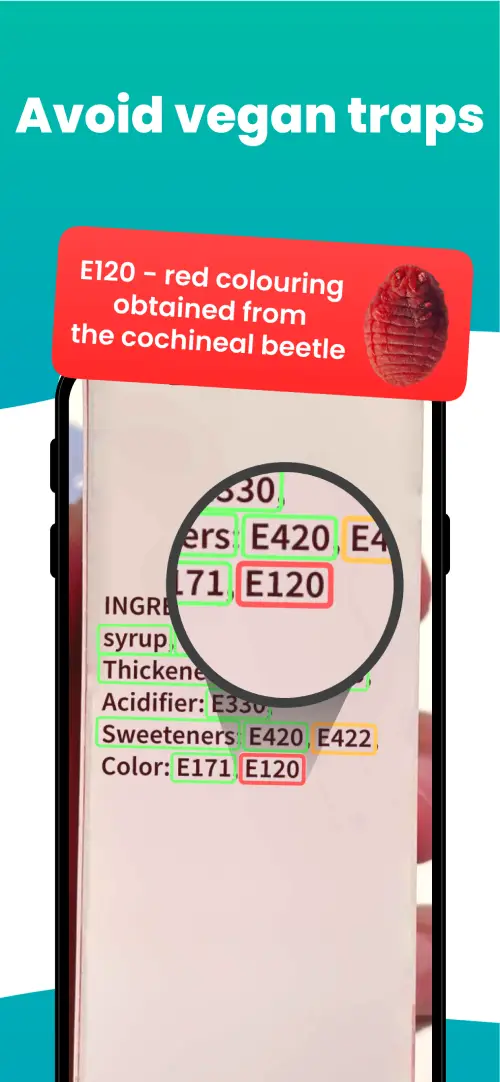
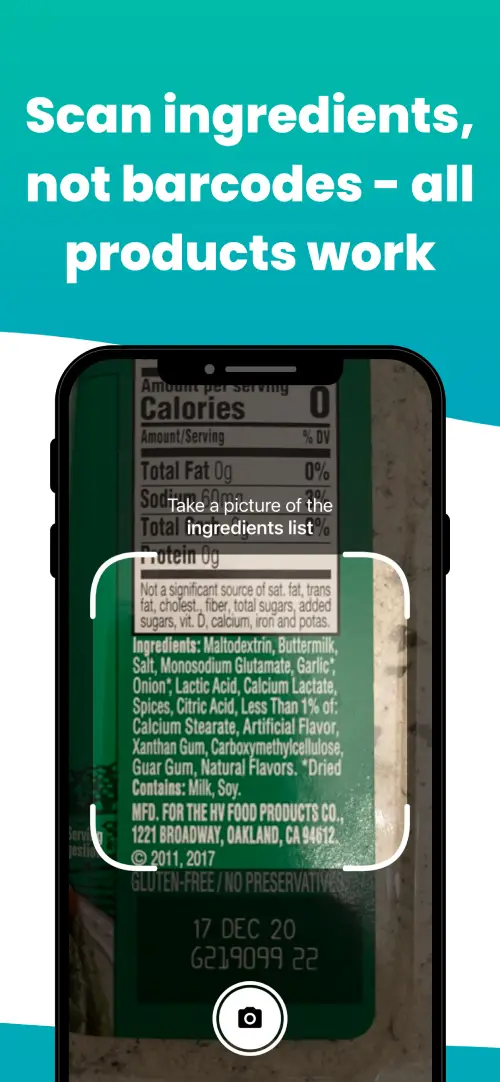
We've built a vegan ingredients scanner that classifies food ingredients as "vegan", "non-vegan", or "potentially vegan".
It allows you to avoid non-vegan ingredients - just take a picture of a product's ingredient list, and the app tells you if the product is vegan or not.



Check out other ingredients:
Is colloidal silicon dioxide vegan?Is red 27 vegan?Is triticum aestivum vegan?Is d&c red 33 vegan?Is d&c red 7 vegan?Is red fife vegan?Is d&c red 27 vegan?Is purple corn flour vegan?Is fd&c red 27 vegan?Is fdc red 33 vegan?Is green coffee vegan?Is acid-hydrolyzed vegetable protein vegan?
We'll never send you spam.