
Is red 27 vegan?
Red 27 is a vegan food ingredient.
Checking out an ingredients list? 👇
"You are amazing, this has saved me so much time when grocery shopping!"
— Austin, a user who reached out with feedback
"It's been a great tool since starting my journey! You take a pic of the nutrition/ingredients, and it'll warn you of anything questionable or not vegan. 😁"
— Ashe, a Vegan For Beginners Facebook Group member
"Use a vegan app when you go shopping, I use WhatsVegan."
— Dóra, a Vegan For Beginners Facebook Group member
So, what is red 27?
When evaluating food and cosmetic ingredients through a vegan lens, a deep understanding of their origin and production is paramount. One such ingredient, known as D&C Red No. 27 or by its chemical identifier CI 45410, often appears in the vibrant palette of products we encounter daily. This synthetic xanthene dye is celebrated for its intense, fluorescent pink to red hue, making it a popular choice for everything from lipsticks and blushes to certain confectionery items and personal care products.
From a compositional standpoint, Red 27 is unequivocally vegan. It is a synthetically derived colorant, meticulously engineered through chemical processes primarily from petroleum derivatives or coal tar. This means its molecular structure contains no animal-derived components, nor does its primary manufacturing rely on animal byproducts as direct raw materials. Unlike certain pigments that might historically have involved insect cochineal or bone char for purification (though these are typically for carbon-based pigments or sugar processing, respectively), Red 27's synthesis is an entirely inorganic chemical endeavor. This inherent non-animal origin makes it a compositionally sound choice for plant-based and vegan formulations, aligning with the ethical imperative to avoid animal exploitation in the ingredient list itself. There are no "gray areas" concerning cross-contamination from animal sources in its fundamental production pathway; it simply does not utilize such inputs.
However, the journey from chemical synthesis to a finished, cruelty-free vegan product demands a more nuanced perspective. While Red 27 itself is vegan by composition, the broader ethical framework for many vegans extends beyond mere ingredients to encompass the entire lifecycle of a product, particularly regarding animal testing. Historically, and in some global markets even today, regulatory requirements for new chemical entities or ingredients used in specific applications (especially cosmetics and ingestibles) have mandated animal testing to assess safety.
For a product to be truly "cruelty-free," it signifies that neither the final product nor its individual ingredients were tested on animals at any stage of development. While Red 27 as a compound is vegan, consumers committed to strict cruelty-free principles must look for assurances from manufacturers that the specific Red 27 batch used in their chosen product, and indeed the entire product formulation, has not been subjected to animal testing. Many reputable brands source ingredients from suppliers who comply with cruelty-free certifications and European Union regulations, which prohibit animal testing for cosmetics. This distinction is crucial for label transparency; a vegan product isn't automatically cruelty-free, though the two often go hand-in-hand in ethical branding.
The existence of synthetic dyes like Red 27 offers manufacturers a consistent and stable colorant that can be vital for developing appealing plant-based products, especially where natural plant-based alternatives might not offer the same vibrancy, stability, or specific shade. While options like beet powder or anthocyanins from fruits and vegetables provide beautiful natural reds and purples, they often present challenges with pH stability, heat sensitivity, or overall shelf life that synthetic counterparts like Red 27 can overcome. The key for the ethical consumer remains informed choice, understanding that while Red 27 is a vegan ingredient, the broader commitment to a cruelty-free lifestyle requires diligent scrutiny of a product's full ethical claim.
How to quickly find the source of ingredients like red 27?
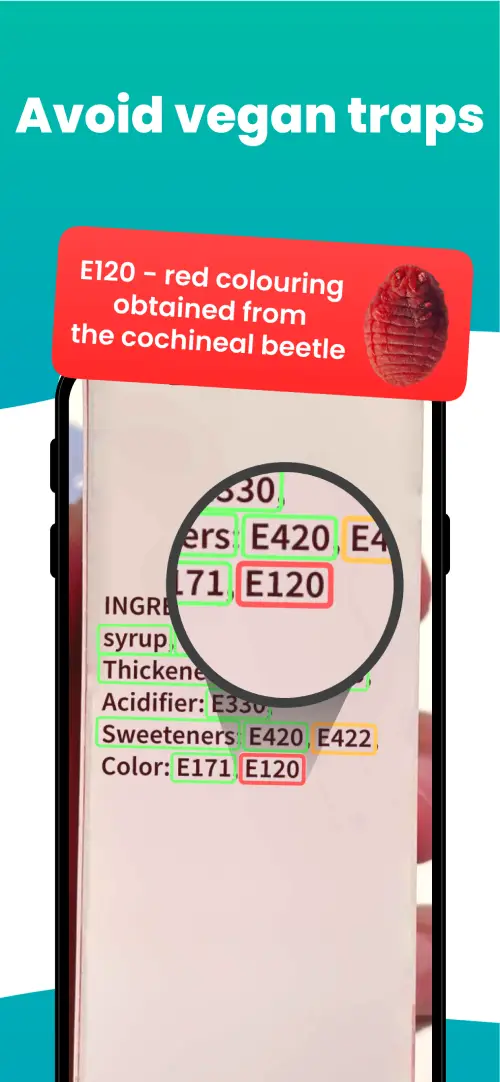
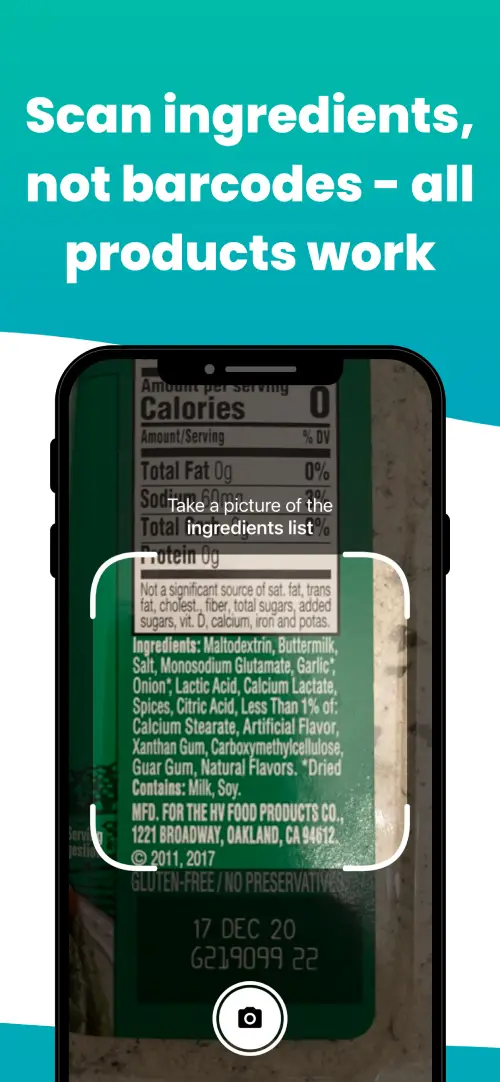
We've built a vegan ingredients scanner that classifies food ingredients as "vegan", "non-vegan", or "potentially vegan".
It allows you to avoid non-vegan ingredients - just take a picture of a product's ingredient list, and the app tells you if the product is vegan or not.



Check out other ingredients:
Is d&c red 33 vegan?Is red 33 vegan?Is fd&c red 33 vegan?Is triticum aestivum vegan?Is red fife flour vegan?Is fd&c red 27 vegan?Is red fife vegan?Is fdc red 33 vegan?Is fdc red 27 vegan?Is purple corn vegan?Is acid-hydrolyzed vegetable protein vegan?Is chocolate ao leite vegan?
We'll never send you spam.