
Is red fife vegan?
Red fife is a vegan food ingredient.
Checking out an ingredients list? 👇
"You are amazing, this has saved me so much time when grocery shopping!"
— Austin, a user who reached out with feedback
"It's been a great tool since starting my journey! You take a pic of the nutrition/ingredients, and it'll warn you of anything questionable or not vegan. 😁"
— Ashe, a Vegan For Beginners Facebook Group member
"Use a vegan app when you go shopping, I use WhatsVegan."
— Dóra, a Vegan For Beginners Facebook Group member
So, what is red fife?
Red Fife: A Foundational Grain for Ethical Nourishment
Red Fife stands as a testament to the purity and integrity of ancient grains, a true cornerstone for any ethically conscious, plant-based diet. Originating from the robust Canadian agricultural landscape, this heritage wheat variety offers far more than just sustenance; it embodies a profound connection to the earth, free from animal exploitation or contamination.
At its core, Red Fife is precisely what it appears to be: a whole grain derived directly from the wheat plant (Triticum aestivum). Its deep reddish hue and robust, nutty flavor, often accompanied by subtle notes of spice and fruit, set it apart from modern common wheat varieties. Its gluten structure is known for producing elastic doughs, yielding bread with an open crumb and exceptional texture, making it a favorite among artisan bakers. Nutritionally, it offers a commendable profile of protein, dietary fiber, and essential minerals, contributing significantly to a well-rounded diet.
From a vegan food science perspective, Red Fife is unequivocally vegan. This isn't merely a matter of omission; it's a fundamental aspect of its very being. As a grain, it is inherently a plant product, cultivated and harvested without the involvement of any animal-derived substances. The ethical "why" is straightforward: no animals are utilized in its growth, fertilization (assuming standard organic or veganic farming practices that avoid manure), or the primary processing of the kernels. This provides a direct path to cruelty-free consumption, a relief for those meticulously scrutinizing ingredients.
Unlike certain processed foods or refined sugars where "gray area" issues like bone char filtration or insect-derived natural colors (like carmine) might arise, Red Fife, as a whole grain, entirely bypasses these concerns. There are no hidden animal-based processing aids typically applied to the grain itself, nor are there animal-derived components to create its characteristic texture or flavor. Its inherent nature provides transparent assurance; what you see, the grain, is what you get—pure plant matter. This simplicity makes "label transparency" less of a hurdle, as its origin is unmistakably botanical.
While Red Fife isn't a "plant-based alternative" in the sense of replacing a non-vegan ingredient (it is wheat, a staple plant food), it functions as an exceptional and often preferred base for plant-based culinary creations. It forms the foundation for ethically crafted breads, pastas, and baked goods, contributing depth of flavor and superior texture to dishes designed for animal-free consumption. Its resurgence in popularity underscores a growing desire for ancient grains that align with both health and ethical values.
In essence, Red Fife offers a straightforward, wholesome, and ethically unimpeachable choice for anyone committed to a vegan lifestyle. Its rich history, distinctive flavor, and pure plant origin make it a truly commendable ingredient, embodying the very principles of compassionate and sustainable eating.
How to quickly find the source of ingredients like red fife?
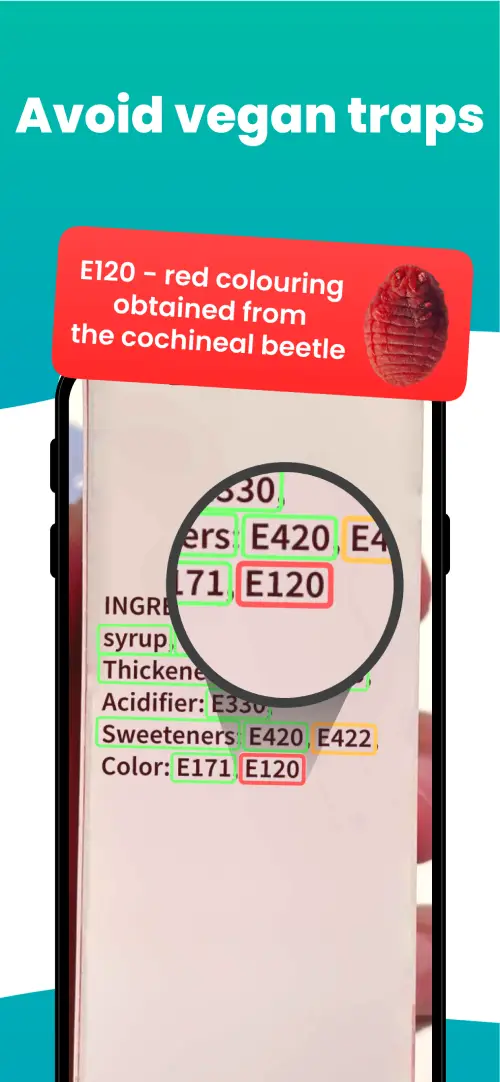
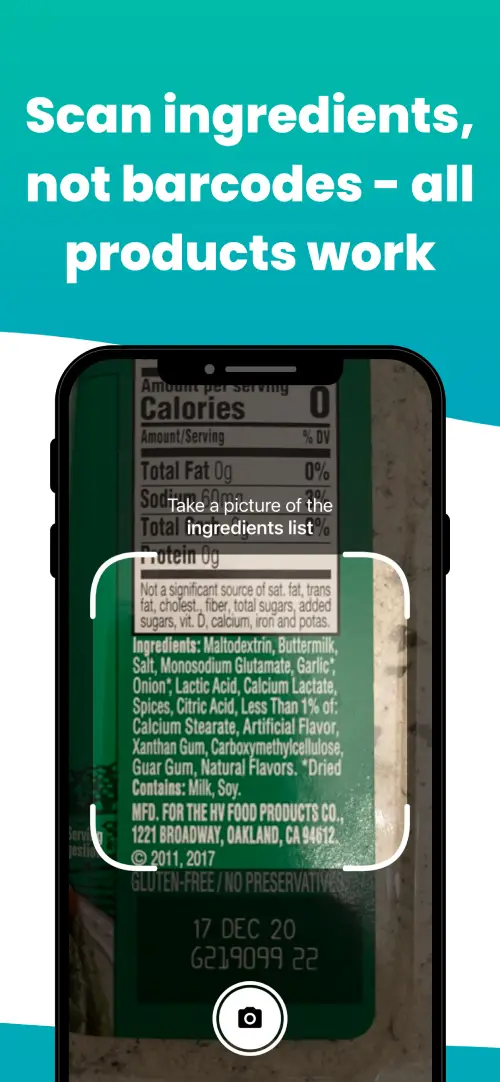
We've built a vegan ingredients scanner that classifies food ingredients as "vegan", "non-vegan", or "potentially vegan".
It allows you to avoid non-vegan ingredients - just take a picture of a product's ingredient list, and the app tells you if the product is vegan or not.



Check out other ingredients:
Is bacterial culture vegan?Is red 33 vegan?Is red 27 vegan?Is d&c red 33 vegan?Is camellia sinensis leaf vegan?Is fd&c red 33 vegan?Is fd&c red 7 vegan?Is ajo tierno vegan?Are crispy chicken strips vegan?Is grieß vegan?Is filetti di merluzzo d'alaska vegan?Is äpfelsäure vegan?
We'll never send you spam.