
Is red 7 vegan?
Red 7 is a vegan food ingredient.
Checking out an ingredients list? 👇
"You are amazing, this has saved me so much time when grocery shopping!"
— Austin, a user who reached out with feedback
"It's been a great tool since starting my journey! You take a pic of the nutrition/ingredients, and it'll warn you of anything questionable or not vegan. 😁"
— Ashe, a Vegan For Beginners Facebook Group member
"Use a vegan app when you go shopping, I use WhatsVegan."
— Dóra, a Vegan For Beginners Facebook Group member
So, what is red 7?
Red 7, formally identified as CI 15850, is a synthetic organic pigment widely recognized for its vibrant crimson hue. Unlike some other colorants frequently encountered in the food industry, Red 7 is not approved for use as a food additive in most major regulatory regions, including the United States and the European Union. Its primary applications lie in cosmetics, plastics, inks, and coatings, where it provides stable and intense color.
From a strict ingredient composition standpoint, Red 7 is considered vegan. It is synthesized through chemical reactions, typically from petroleum-derived precursors, meaning its molecular structure does not incorporate any animal products or byproducts. This distinction is crucial for consumers committed to animal ethics and purity. The manufacturing process typically involves basic organic chemistry steps, eliminating reliance on animal-derived raw materials or catalysts—components that can sometimes pose ethical dilemmas in other industrial processes. Therefore, when evaluating a product containing Red 7, the ingredient itself aligns with plant-based and cruelty-free principles.
However, for the conscientious vegan consumer, the discussion extends beyond the ingredient’s intrinsic nature to the broader supply chain and manufacturing practices. While Red 7 itself is synthetic, ensuring that no animal testing occurred during its development or production phases is paramount. This highlights the critical importance of label transparency and certified cruelty-free designations for finished products, even when individual components are inherently free of animal derivatives. The ethical vegan's commitment covers the entire lifecycle of a product, not just its final composition.
When considering red colorants within the food sphere, where Red 7 does not appear as an approved additive, the landscape shifts considerably. Here, consumers often encounter a diverse array of options. Truly plant-based alternatives for red hues in food include beet extract (E162), which imparts a beautiful fuchsia tone; lycopene (E160d), derived from tomatoes and responsible for their rich red color; and anthocyanins (E163), sourced from berries or red cabbage, offering vibrant reds, purples, and blues. These ingredients provide naturally occurring color without ethical compromise.
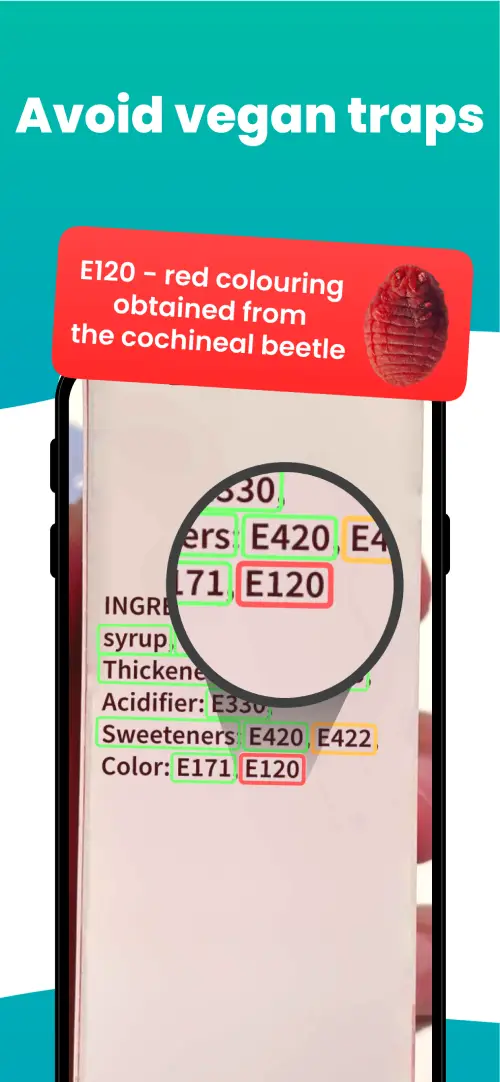
Conversely, it is essential for vegans to be aware of non-vegan red food colorants, such as carmine or cochineal (E120). These are derived from the crushed female cochineal insect and are unequivocally not vegan, often found in yogurts, candies, and certain beverages. Such distinctions underscore why vegans meticulously review ingredient lists and demand clear label transparency, not only for primary ingredients but also for processing aids and coloring agents.
In summary, Red 7 itself presents no ethical conflict for vegans based on its chemical composition. Its synthetic origin ensures it is free from animal-derived components, making it inherently vegan. However, its primary role is outside of food applications. For food products, the pursuit of truly plant-based and cruelty-free red hues correctly shifts focus to a diverse array of natural, ethically sourced alternatives. The diligent examination of all ingredients, processing aids, and overarching product ethics remains the cornerstone of vegan consumerism, reinforcing the broader commitment to a lifestyle free from animal exploitation.
How to quickly find the source of ingredients like red 7?
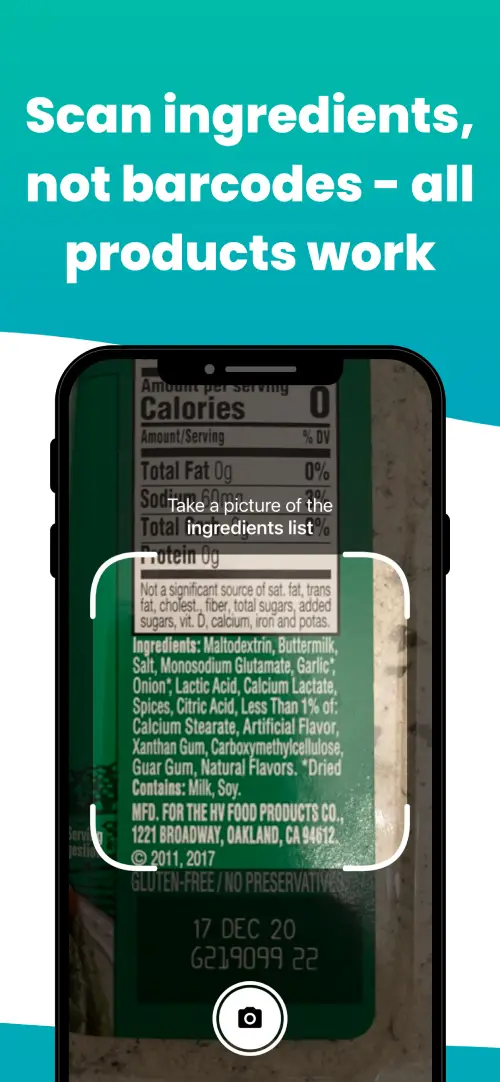
We've built a vegan ingredients scanner that classifies food ingredients as "vegan", "non-vegan", or "potentially vegan".
It allows you to avoid non-vegan ingredients - just take a picture of a product's ingredient list, and the app tells you if the product is vegan or not.



We'll never send you spam.