
Is fd&c red 7 vegan?
Fd&c red 7 is a vegan food ingredient.
Checking out an ingredients list? 👇
"You are amazing, this has saved me so much time when grocery shopping!"
— Austin, a user who reached out with feedback
"It's been a great tool since starting my journey! You take a pic of the nutrition/ingredients, and it'll warn you of anything questionable or not vegan. 😁"
— Ashe, a Vegan For Beginners Facebook Group member
"Use a vegan app when you go shopping, I use WhatsVegan."
— Dóra, a Vegan For Beginners Facebook Group member
So, what is fd&c red 7?
Understanding FD&C Red 7: A Vegan Perspective
For those committed to a lifestyle free from animal products, scrutinizing every ingredient is paramount. Among the myriad of colorants used in food, cosmetics, and pharmaceuticals, FD&C Red 7 stands as a distinct synthetic organic pigment. From a vegan food scientist's perspective, understanding its origin and synthesis is crucial for ethical consumption.
FD&C Red 7, also known chemically as Lithol Rubine BK, is classified as a synthetic colorant. Unlike dyes that might be extracted from plants or derived from animal sources, Red 7 is manufactured through chemical synthesis, primarily from petroleum-derived precursors. This process means that at no point in its primary production are animals or animal byproducts utilized. It is constructed from non-animal raw materials in a laboratory setting, ensuring its inherent vegan status.
This distinction is vital for those navigating the complexities of ingredient labels. When an item lists "FD&C Red 7," vegans can typically proceed without concern regarding its fundamental composition. Its synthetic nature removes the ethical quandaries associated with animal-derived pigments such as cochineal extract or carmine, which are produced from the crushed bodies of female cochineal insects. For many, the purity of ingredients is not merely about avoiding animal flesh or dairy, but also extends to ensuring that no living creature was exploited or harmed in the creation of any component. FD&C Red 7, in its chemical origin, aligns with these cruelty-free principles.
While its synthetic nature confirms its vegan status, it's worth noting that the broader conversation around colorants often includes a desire for natural plant-based alternatives. For those who prefer to avoid all synthetic additives, even vegan ones, options like beet juice, anthocyanins (from fruits and vegetables), or lycopene (from tomatoes) offer vibrant red hues. However, these natural alternatives serve a different purpose than assessing the vegan status of a specific synthetic compound like Red 7; they address a preference for "naturalness" rather than a direct ethical conflict.
Furthermore, when considering any ingredient, it's always prudent for ethical consumers to consider the entire supply chain. While Red 7 itself is vegan, a rare scenario could involve processing aids that are not, though this is uncommon for such a fundamentally synthetic compound. This highlights the ongoing need for robust label transparency from manufacturers, allowing consumers to make fully informed decisions. The absence of animal-derived components in FD&C Red 7's creation makes it an acceptable colorant within a vegan framework, providing clarity for those dedicated to ethical food choices.
How to quickly find the source of ingredients like fd&c red 7?
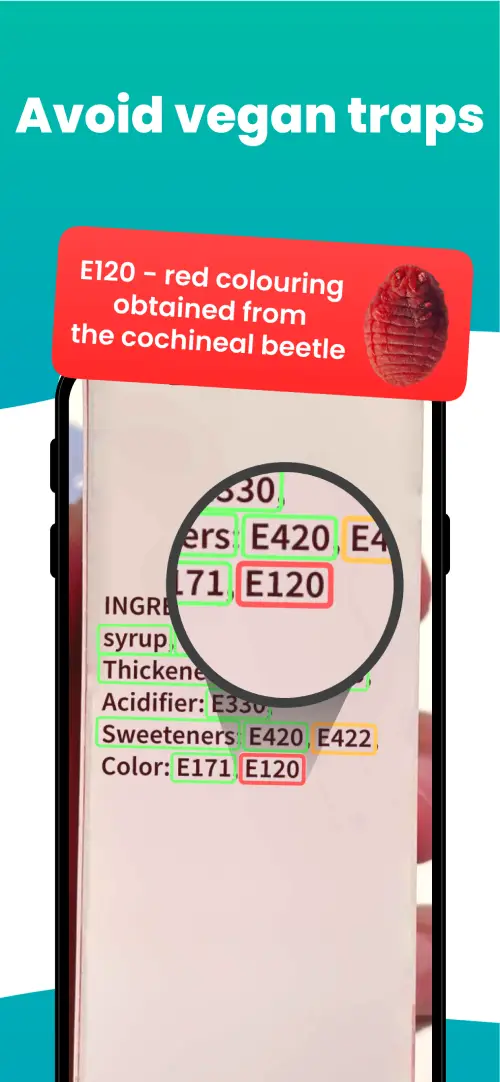
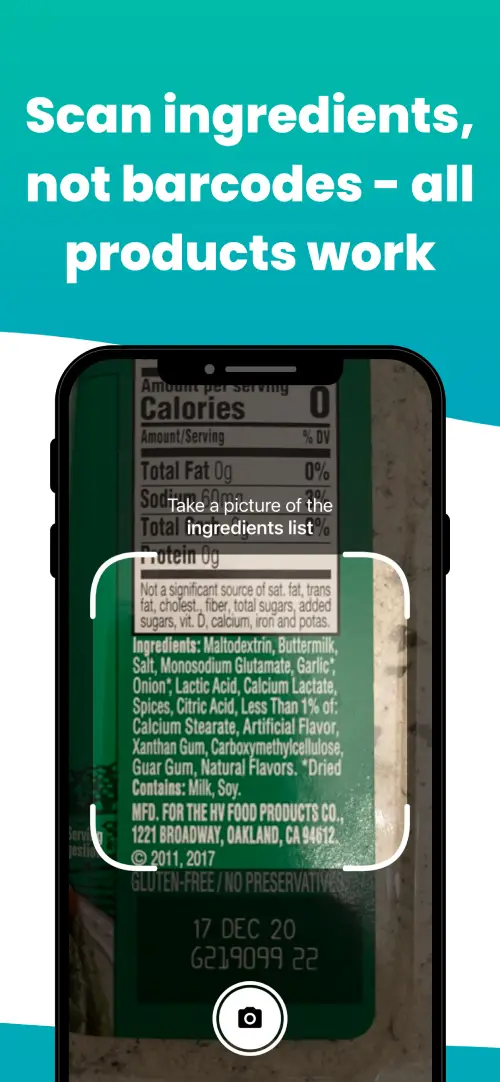
We've built a vegan ingredients scanner that classifies food ingredients as "vegan", "non-vegan", or "potentially vegan".
It allows you to avoid non-vegan ingredients - just take a picture of a product's ingredient list, and the app tells you if the product is vegan or not.



Check out other ingredients:
Is fd&c red 27 vegan?Is fd&c red 33 vegan?Is d&c red 27 vegan?Is fdc red 7 vegan?Is fdc red 27 vegan?Is d&c red 33 vegan?Is acid-hydrolyzed vegetable protein vegan?Is red 7 vegan?Is colloidal silicon dioxide vegan?Is fd&c red color no. 40 vegan?Is red fife flour vegan?Is coriander powder vegan?
We'll never send you spam.