
Is coco diethanolamine vegan?
Coco diethanolamine is a vegan food ingredient.
Checking out an ingredients list? 👇
"You are amazing, this has saved me so much time when grocery shopping!"
— Austin, a user who reached out with feedback
"It's been a great tool since starting my journey! You take a pic of the nutrition/ingredients, and it'll warn you of anything questionable or not vegan. 😁"
— Ashe, a Vegan For Beginners Facebook Group member
"Use a vegan app when you go shopping, I use WhatsVegan."
— Dóra, a Vegan For Beginners Facebook Group member
So, what is coco diethanolamine?
Understanding Coco Diethanolamine in Ethical Formulation
Coco diethanolamine, often abbreviated as CDEA, is a fascinating compound widely utilized across various industries, particularly in personal care and cleaning products. To the uninitiated, its name might suggest a complex, even questionable, origin. However, for those committed to animal ethics and the pursuit of pure, plant-based ingredients, understanding its composition is paramount.
At its core, CDEA is a viscous, typically yellowish liquid, synthesized through the chemical reaction of mixed fatty acids derived from coconut oil with diethanolamine. The defining aspect here, from an ethical standpoint, is the source of these fatty acids: the humble coconut. Coconut oil is a renowned plant-based resource, celebrated for its versatility and abundance. This botanical origin ensures that the foundational component of CDEA aligns perfectly with vegan principles. Diethanolamine itself is a synthetic organic compound, manufactured from ethylene oxide and ammonia, neither of which are animal-derived.
Therefore, when we assess coco diethanolamine through the lens of animal ethics and purity, it firmly establishes itself as a vegan ingredient. Its creation relies solely on plant-sourced fatty acids and synthetic compounds, completely bypassing any animal involvement or byproducts throughout its primary synthesis. This makes CDEA a valued component in formulations aiming for a "cruelty-free" designation, as its production does not necessitate the exploitation or harm of animals.
The significance of such ingredients in the plant-based market cannot be overstated. Consumers seeking ethical products demand not only the absence of animal-derived components in the final product but also assurance regarding the integrity of every ingredient's supply chain. CDEA's reliance on coconut oil allows it to seamlessly integrate into shampoos, body washes, liquid soaps, and detergents, acting as an effective foam booster, thickener, and emulsifier without compromising ethical purity.
Ensuring absolute label transparency is a constant endeavor for ethical brands. While CDEA itself is vegan, a truly conscientious approach extends to verifying the entire manufacturing process. This involves scrutinizing the production environment to mitigate risks of cross-contamination with non-vegan materials, a commitment to purity that resonates deeply with discerning vegan consumers. Such due diligence reinforces confidence in the ingredient's integrity from source to final application.
In essence, coco diethanolamine stands as a testament to the ability of chemistry to harness plant resources for functional and ethical product development. Its origin from coconut fatty acids positions it as a reliable and ethically sound choice for formulators dedicated to crafting pure, plant-based alternatives that meet the high standards of the vegan lifestyle. Its inclusion helps advance a market where efficacy and ethical sourcing go hand-in-hand.
How to quickly find the source of ingredients like coco diethanolamine?
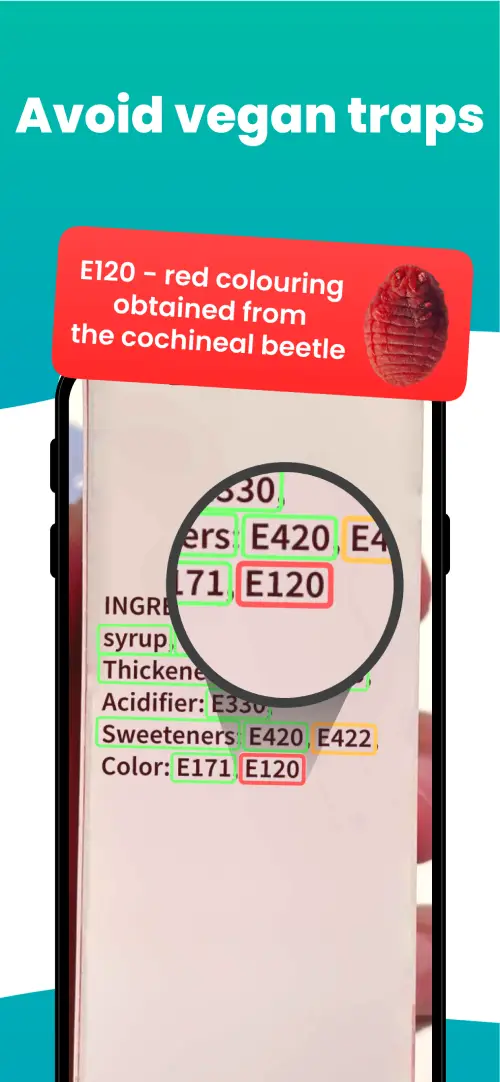
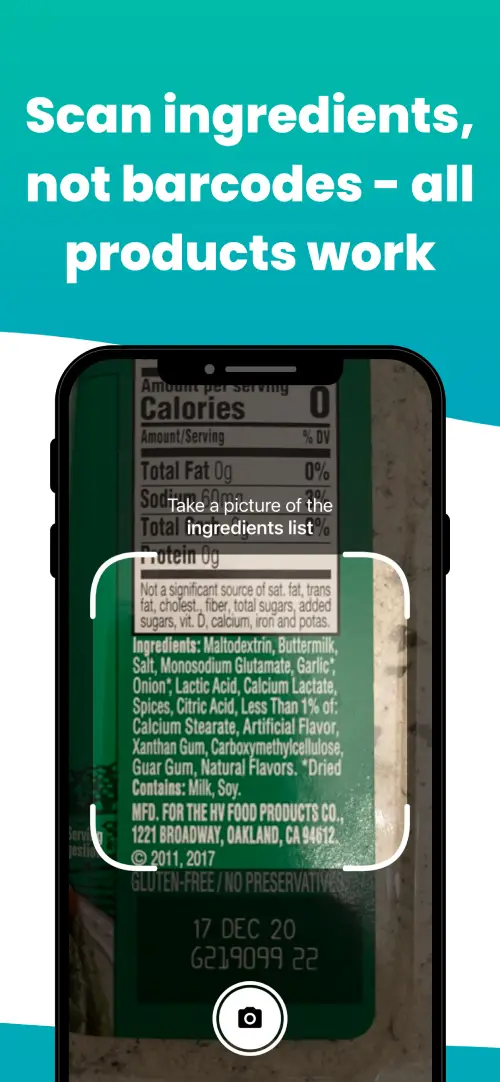
We've built a vegan ingredients scanner that classifies food ingredients as "vegan", "non-vegan", or "potentially vegan".
It allows you to avoid non-vegan ingredients - just take a picture of a product's ingredient list, and the app tells you if the product is vegan or not.



Check out other ingredients:
Is cocobutaine vegan?Are citrus grandis vegan?Is crocus sativus vegan?Is rubia cordifolia vegan?Is manjishta vegan?Is nymphaea lotus alba vegan?Is ocimum sanctum vegan?Are salvia officinalis vegan?Is brewed tea vegan?Is salvia officinalis infusion vegan?Is blanc de calmar vegan?Is invert syrüp vegan?
We'll never send you spam.