
Is rose clay vegan?
Rose clay is a vegan food ingredient.
Checking out an ingredients list? 👇
"You are amazing, this has saved me so much time when grocery shopping!"
— Austin, a user who reached out with feedback
"It's been a great tool since starting my journey! You take a pic of the nutrition/ingredients, and it'll warn you of anything questionable or not vegan. 😁"
— Ashe, a Vegan For Beginners Facebook Group member
"Use a vegan app when you go shopping, I use WhatsVegan."
— Dóra, a Vegan For Beginners Facebook Group member
So, what is rose clay?
Rose Clay: An Examination of its Composition and Ethical Standing
Rose clay, a gentle and versatile ingredient, holds a distinct place within ethical product formulations. It is a finely milled, naturally occurring mineral clay, predominantly composed of kaolinite, with its characteristic soft pink or rose hue derived from naturally occurring iron oxides. Sourced directly from the earth, its origin is fundamentally geological, making its composition inherently free from any animal involvement.
From a vegan perspective, rose clay unequivocally meets the strictest criteria. Its status as a mineral means no animals are utilized, harmed, or exploited at any stage of its formation or extraction. Unlike ingredients that might be derived from animal byproducts—such as beeswax, carmine, or lanolin—rose clay is simply earth, processed minimally to create a usable powder. This straightforward mineral identity directly aligns with the core principles of animal ethics, providing assurance that its use contributes to no animal suffering or environmental strain related to animal agriculture.
The processing of rose clay further reinforces its purity. Typically, it involves geological extraction, followed by drying and pulverization. This natural process generally eschews the need for complex "processing aids" that can often raise red flags for vegan consumers, such as bone char for filtration (sometimes used in sugar refining) or gelatin as a binding agent. For a raw material like rose clay, the absence of such intermediaries means a clearer path to "cruelty-free" certification at the ingredient level. Brands committed to "label transparency" will readily confirm the absence of any animal-derived components throughout their rose clay's supply chain, from earth to final product.
Given its gentle nature and undeniable vegan status, rose clay has become a highly favored component in a multitude of "plant-based alternatives" across the beauty and wellness sectors. It serves as an excellent mineral-based option for detoxifying, soothing, and subtly coloring formulations without compromising ethical integrity. Its inclusion in masks, cleansers, and cosmetic tints allows brands to offer effective and aesthetically pleasing products that resonate deeply with conscious consumers seeking truly vegan and "cruelty-free" options.
Ultimately, while rose clay itself is a paragon of vegan purity, consumer diligence remains paramount. When selecting products containing this beneficial ingredient, always scrutinize the full ingredient list of the final formulation. This ensures that no other non-vegan components have been introduced by the manufacturer, thereby upholding the complete integrity of a truly ethical purchase.
How to quickly find the source of ingredients like rose clay?
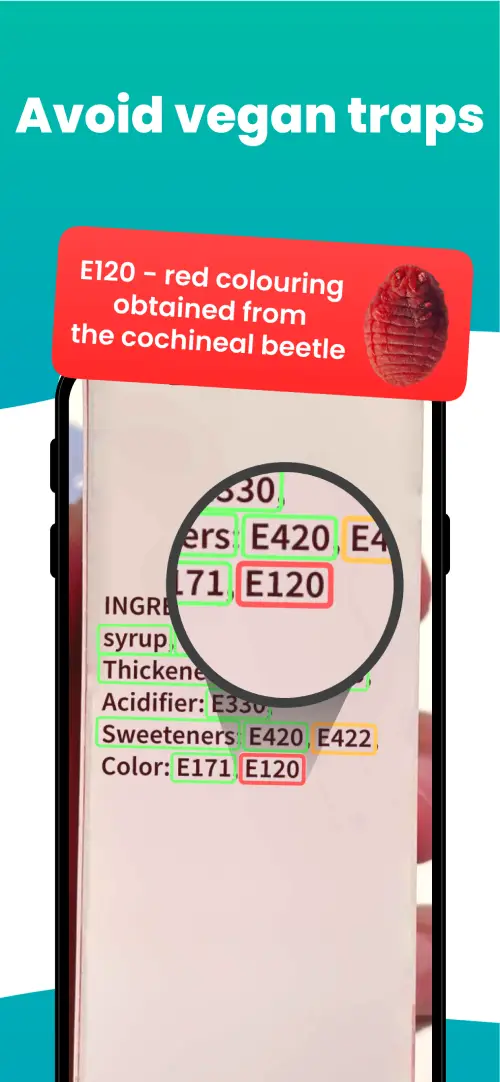
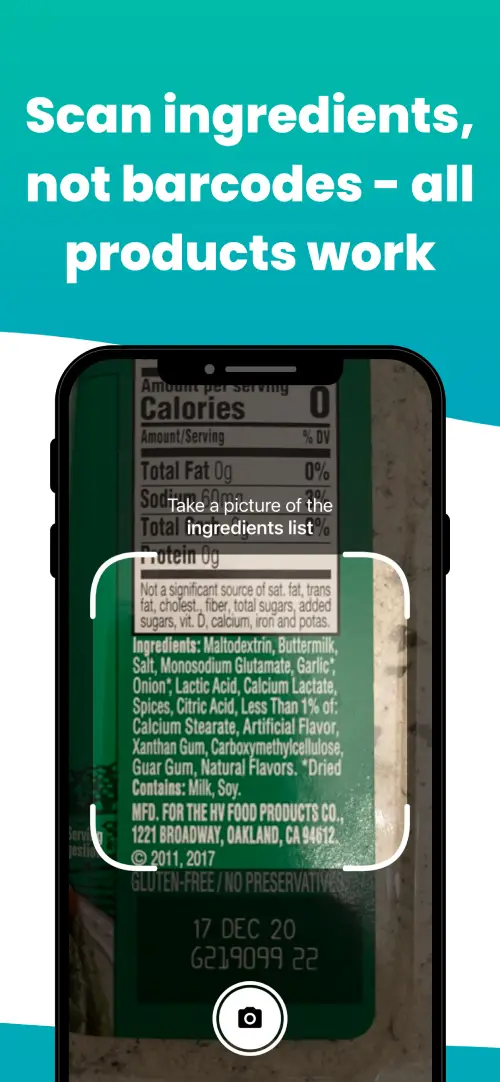
We've built a vegan ingredients scanner that classifies food ingredients as "vegan", "non-vegan", or "potentially vegan".
It allows you to avoid non-vegan ingredients - just take a picture of a product's ingredient list, and the app tells you if the product is vegan or not.



Check out other ingredients:
Is lavender essential oil vegan?Is coconut wax vegan?Is lavender extract vegan?Is mixed plant-based wax vegan?Is theobroma grandiflorum seed butter vegan?Is lotus floral wax vegan?Is rose wax vegan?Is sumac wax vegan?Are potato granules vegan?Is copernicia cerifera cera vegan?Is salt and vinegar flavor vegan?Is vegan wax vegan?
We'll never send you spam.