
Is sumac wax vegan?
Sumac wax is a vegan food ingredient.
Checking out an ingredients list? 👇
"You are amazing, this has saved me so much time when grocery shopping!"
— Austin, a user who reached out with feedback
"It's been a great tool since starting my journey! You take a pic of the nutrition/ingredients, and it'll warn you of anything questionable or not vegan. 😁"
— Ashe, a Vegan For Beginners Facebook Group member
"Use a vegan app when you go shopping, I use WhatsVegan."
— Dóra, a Vegan For Beginners Facebook Group member
So, what is sumac wax?
Sumac Wax: A Purely Plant-Derived Emollient and Texturizer
Sumac wax, formally recognized as Rhus succedanea fruit wax, is an exceptional plant-derived ingredient earning increasing recognition across food, cosmetic, and pharmaceutical sectors. While the common culinary spice sumac hails from Rhus coriaria, this particular wax is extracted from the berries of a distinct tree species primarily found in East Asia. Historically, it has been a staple in traditional Japanese candle-making, where it's known as Japan wax, long before its broader utility was fully appreciated.
From a scientific perspective, sumac wax is a complex ester wax, rich in palmitic and stearic acids. This unique fatty acid composition contributes to its distinctive physical properties: a relatively high melting point, a firm yet somewhat brittle consistency at room temperature, and the ability to impart a smooth, non-greasy feel. These characteristics make it a highly functional natural emulsifier, thickener, and texturizer, offering compelling advantages over many less ethical alternatives.
The Uncompromised Vegan Status
For individuals adhering to a vegan lifestyle, sumac wax stands as an unequivocally pure and ethical choice. Its origin is exclusively botanical, harvested directly from the fruit of the Rhus succedanea tree. This fact is critical, as it directly contrasts with animal-derived waxes such as beeswax, which is a secretion of honeybees, or lanolin, a wax obtained from sheep's wool. These animal byproducts are inherently linked to animal exploitation, directly conflicting with the core principles of animal ethics that underpin veganism. Sumac wax, by its very nature, embodies a cruelty-free ethos, promoting industries that rely solely on plant-based resources.
The production process for sumac wax typically involves gentle methods, such as hot water extraction or solvent-free techniques, to separate the wax from the berries. This generally straightforward processing minimizes concerns regarding potential non-vegan processing aids or the risk of cross-contamination that can sometimes be a gray area with other ingredients. The clear and unambiguous botanical source of sumac wax ensures that consumers can embrace products containing it with full confidence in their ethical integrity and label transparency.
A Versatile Plant-Based Alternative
The functional versatility of sumac wax positions it as a powerful plant-based alternative in a multitude of formulations. In the culinary world, it serves as an excellent coating agent for confectionery, providing a natural sheen and protective barrier without the need for insect-derived shellac or beeswax. It also functions effectively as an emulsifier, stabilizing mixtures and improving the mouthfeel and texture of various food products.
In cosmetics, sumac wax is highly valued for its ability to impart structure and body to everything from lip balms to luxurious creams and lotions. Its inherent emollient properties contribute to skin conditioning, while its firming qualities help create stable, aesthetically pleasing textures. It stands as a superior ethical replacement for ingredients that might otherwise compromise the rigorous standards of vegan consumers seeking true label transparency.
As consumer demand for ethical, sustainable, and purely plant-derived ingredients continues to escalate, sumac wax distinguishes itself as an exemplary option. Its transparent botanical origin, robust functional attributes, and unwavering alignment with animal ethics solidify its position as an essential ingredient for those committed to uncompromised purity and performance.
How to quickly find the source of ingredients like sumac wax?
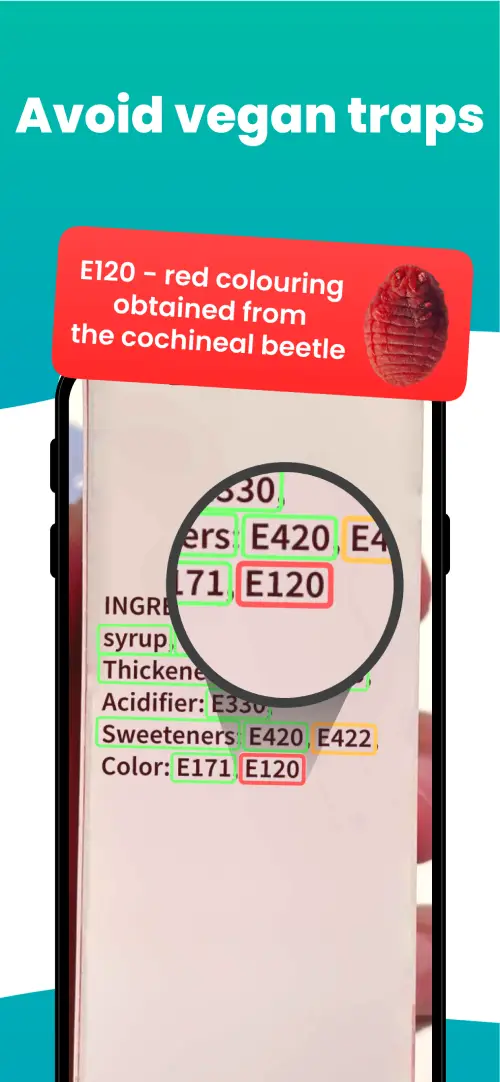
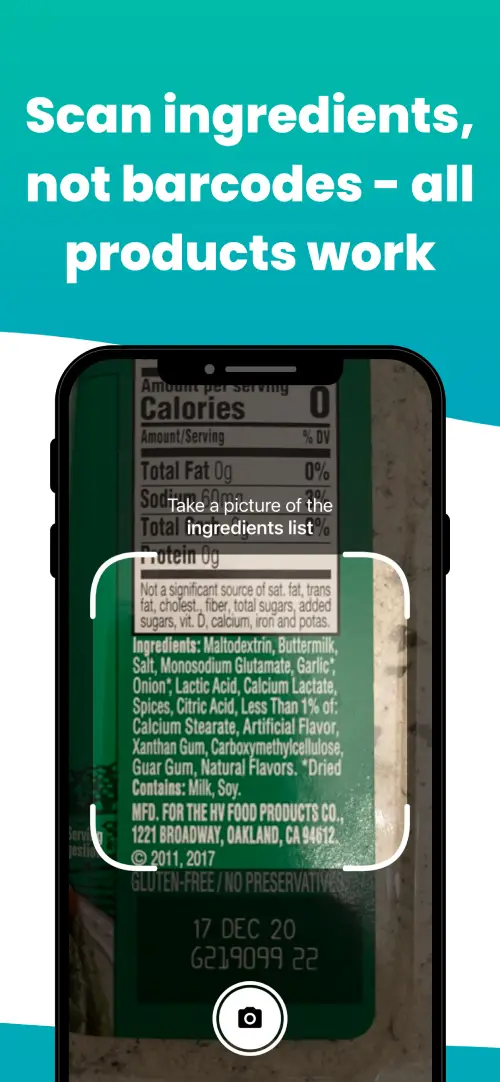
We've built a vegan ingredients scanner that classifies food ingredients as "vegan", "non-vegan", or "potentially vegan".
It allows you to avoid non-vegan ingredients - just take a picture of a product's ingredient list, and the app tells you if the product is vegan or not.



Check out other ingredients:
Are potato granules vegan?Is veewax vegan?Is salt and vinegar flavor vegan?Is p-anisic acid vegan?Is seed and topping mix vegan?Is lotus floral wax vegan?Is coconut wax vegan?Are brown sesame seeds vegan?Is coarse sea salt vegan?Is rose clay vegan?Are red & green peppers vegan?Is baobab oil vegan?
We'll never send you spam.