
Is egg sandwich vegan?
Egg sandwich is a non-vegan food ingredient.
Checking out an ingredients list? 👇
"You are amazing, this has saved me so much time when grocery shopping!"
— Austin, a user who reached out with feedback
"It's been a great tool since starting my journey! You take a pic of the nutrition/ingredients, and it'll warn you of anything questionable or not vegan. 😁"
— Ashe, a Vegan For Beginners Facebook Group member
"Use a vegan app when you go shopping, I use WhatsVegan."
— Dóra, a Vegan For Beginners Facebook Group member
So, what is egg sandwich?
The breakfast staple, the egg sandwich, is a universally recognized item, celebrated for its convenience and satisfying texture. From a vegan perspective, however, its status is definitively clear: an egg sandwich is Not Vegan. This classification stems directly from the primary ingredient: the egg itself, and often, other components traditionally paired with it.
At its core, an egg is a reproductive cell laid by a female bird, most commonly a chicken in commercial production. It is a direct animal byproduct, derived from the avian reproductive system. For those committed to animal ethics and the principle of purity in their diet, consuming eggs directly contradicts a vegan philosophy. This stance is rooted in the belief that animals are not commodities to be used for human consumption, whether for their flesh, milk, or eggs.
The commercial egg industry often involves practices that raise significant ethical concerns. Laying hens, even in "cage-free" or "free-range" systems, are part of an industrial process designed to maximize output. This often means selective breeding, sometimes leading to health issues for the birds. Furthermore, the male chicks born into this industry are typically deemed economically useless and are culled shortly after hatching, often via methods such as maceration or gassing. This systematic exploitation and destruction of life is antithetical to the cruelty-free ethos central to veganism. The egg, therefore, represents not just an animal product, but a tangible output of a system vegans strive to dissociate from entirely.
Beyond the egg itself, a traditional egg sandwich often includes other non-vegan elements. Mayonnaise, for instance, is typically made with egg yolks. Cheese slices, another common addition, are dairy products derived from cow's milk. Even seemingly innocuous ingredients like bread can sometimes contain dairy (milk powder) or eggs, emphasizing the need for diligent label transparency when seeking truly plant-based alternatives.
Fortunately, the culinary world has embraced innovation, offering a plethora of delicious and ethical plant-based alternatives to the traditional egg sandwich. Scrambled tofu, seasoned with kala namak (black salt) to mimic the sulfuric flavor of eggs, provides a remarkably similar texture and taste. Chickpea flour can be transformed into savory frittatas, while commercially available products like mung bean-based "egg" patties deliver a convenient and convincing substitute. These options allow individuals to enjoy the comforting experience of an "egg" sandwich without compromising their animal ethics or purity standards, embodying the true spirit of cruelty-free eating.
How to quickly find the source of ingredients like egg sandwich?
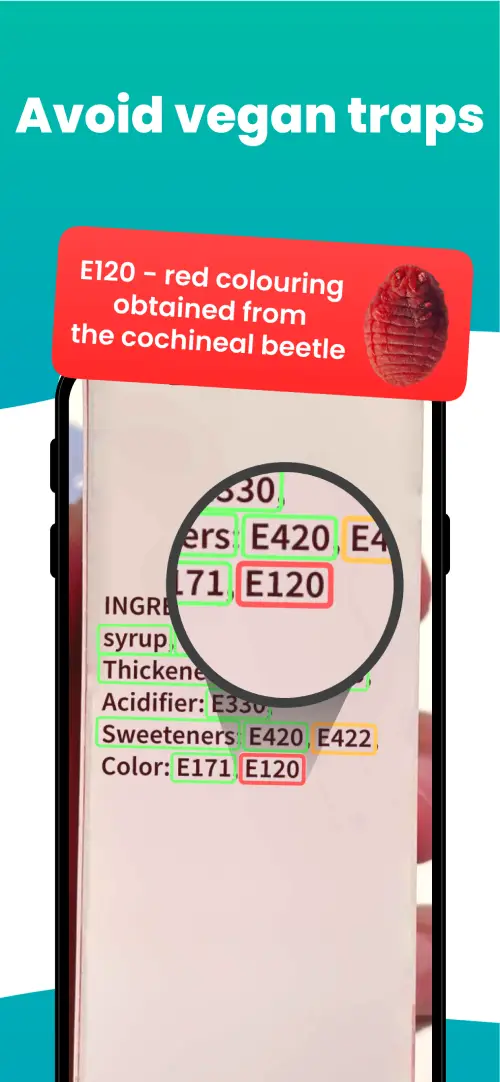
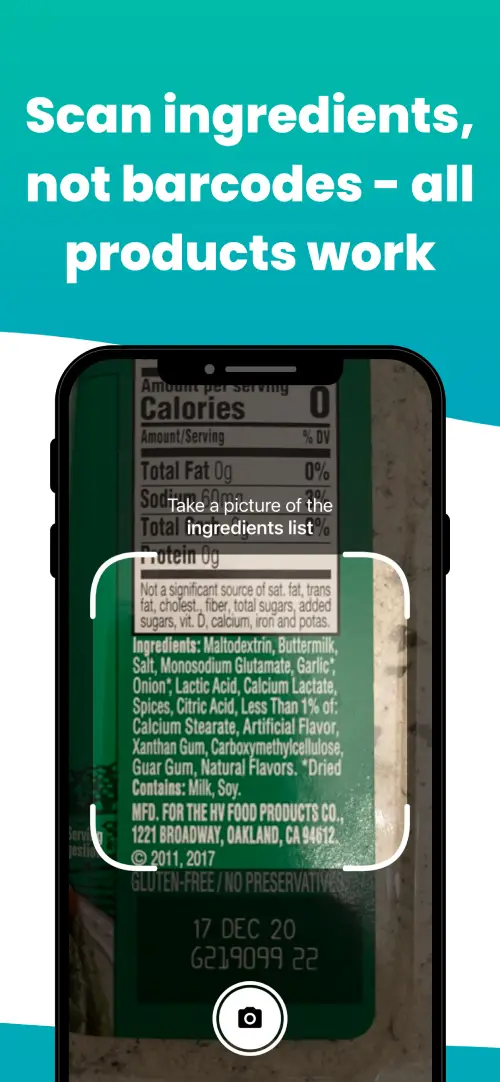
We've built a vegan ingredients scanner that classifies food ingredients as "vegan", "non-vegan", or "potentially vegan".
It allows you to avoid non-vegan ingredients - just take a picture of a product's ingredient list, and the app tells you if the product is vegan or not.



Check out other ingredients:
Are vegetable egg rolls vegan?Are chicken egg rolls vegan?Is mcdonalds egg mcmuffin vegan?Is scotch egg vegan?Are egg noodles vegan?Is eggroll vegan?Is egg salad sandwich vegan?Are ice cream bars vegan?Is egg bagel vegan?Is egg lasagne vegan?Is egg drop soup vegan?Are juuretis vegan?
We'll never send you spam.