
Is sodium acrylates crosspolymer-2 vegan?
Sodium acrylates crosspolymer-2 is a vegan food ingredient.
Checking out an ingredients list? 👇
"You are amazing, this has saved me so much time when grocery shopping!"
— Austin, a user who reached out with feedback
"It's been a great tool since starting my journey! You take a pic of the nutrition/ingredients, and it'll warn you of anything questionable or not vegan. 😁"
— Ashe, a Vegan For Beginners Facebook Group member
"Use a vegan app when you go shopping, I use WhatsVegan."
— Dóra, a Vegan For Beginners Facebook Group member
So, what is sodium acrylates crosspolymer-2?
Understanding Sodium Acrylates Crosspolymer-2: A Foundation of Vegan Purity
In the intricate world of ingredient science, particularly as it pertains to ethical sourcing and dietary choices, understanding the origin and synthesis of compounds like sodium acrylates crosspolymer-2 is crucial. This versatile ingredient primarily serves as a thickening agent, stabilizer, and emulsifier in various formulations, contributing to desirable textures and product consistency. Critically, from a vegan perspective, sodium acrylates crosspolymer-2 stands as an unequivocally vegan compound.
The Engineered Purity of a Synthetic Polymer
The "why" behind its vegan status lies in its very nature: sodium acrylates crosspolymer-2 is a synthetic polymer. It is meticulously synthesized in a laboratory environment through the polymerization of acrylic monomers. This process does not involve any animal-derived starting materials, nor does it rely on animal byproducts at any stage of its creation. Unlike many traditional thickeners or emulsifiers that historically had animal origins, this compound is engineered from non-animal precursors, offering a clear path to ethical formulation.
This scientific clarity provides immense assurance for those adhering to animal ethics and seeking purity in their products. There are no "gray areas" of potential cross-contamination with animal matter, nor is there any ambiguity regarding its source. Its existence as a purely laboratory-created substance means it bypasses concerns related to animal farming, slaughter, or the use of animal secretions or tissues.
Advancing Cruelty-Free and Plant-Based Formulations
The role of ingredients like sodium acrylates crosspolymer-2 is pivotal in the expansion of truly plant-based and cruelty-free product lines. Its reliable functionality as a texturizer and stabilizer offers formulators an alternative to animal-derived counterparts such as gelatin (from animal collagen), casein (from milk), or even certain types of albumen (from egg whites), which historically provided similar structural benefits. By utilizing a synthetic polymer, manufacturers can achieve desired sensory attributes and product stability without compromising on animal welfare principles.
While its primary applications are often seen in personal care and cosmetics, the principles behind its functionality—stabilizing emulsions, suspending particles, and creating appealing textures—are highly analogous to the challenges faced in crafting sophisticated vegan food products, especially those requiring specific mouthfeels or improved shelf-stability for sensitive ingredients. Its very presence in the broader market for vegan-friendly products underscores a commitment to finding ethical alternatives across industries.
The Role in Label Transparency
For conscious consumers, label transparency is paramount. Ingredients like sodium acrylates crosspolymer-2, by virtue of their synthetic and well-defined origins, contribute significantly to this transparency. When listed on an ingredient panel, its status as a non-animal-derived component is clear, aligning seamlessly with certifications for vegan and cruelty-free products. This allows consumers to trust that their choices are free from hidden animal inputs or processing aids that might otherwise compromise their ethical stance.
Its consistent performance and ethical sourcing mean that brands can confidently develop new vegan offerings, knowing that the structural backbone of their products is built upon a foundation of purity. This ensures that the promise of a truly plant-based and cruelty-free product is upheld, from the primary ingredients down to the functional enhancers.
A Cornerstone for Ethical Product Development
In essence, sodium acrylates crosspolymer-2 exemplifies how scientific innovation can align with ethical imperatives. It offers a stable, efficient, and unequivocally vegan solution for enhancing product texture and stability. For the vegan community and those dedicated to cruelty-free living, understanding its synthetic, animal-free origin provides peace of mind, making it a valuable and trusted component in the ever-growing landscape of ethical consumer goods.
How to quickly find the source of ingredients like sodium acrylates crosspolymer-2?
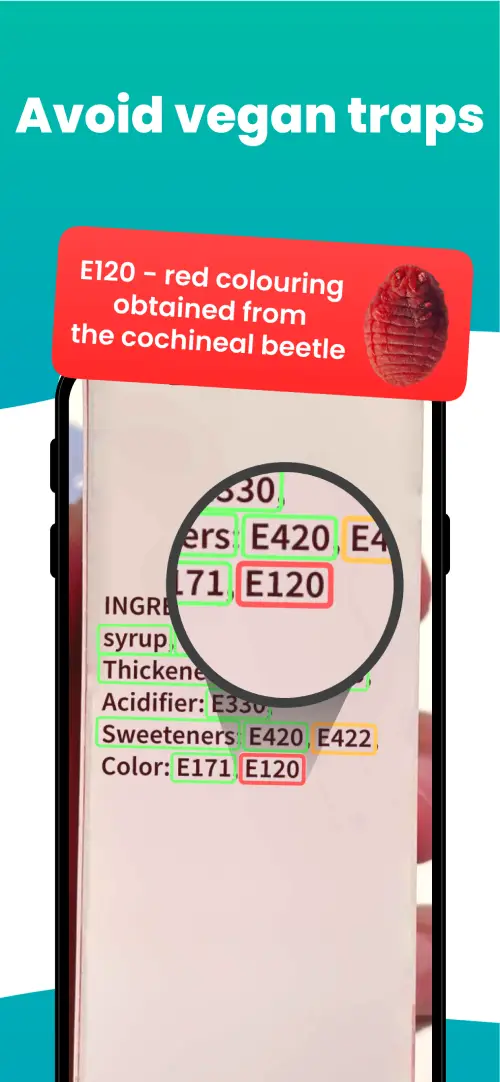
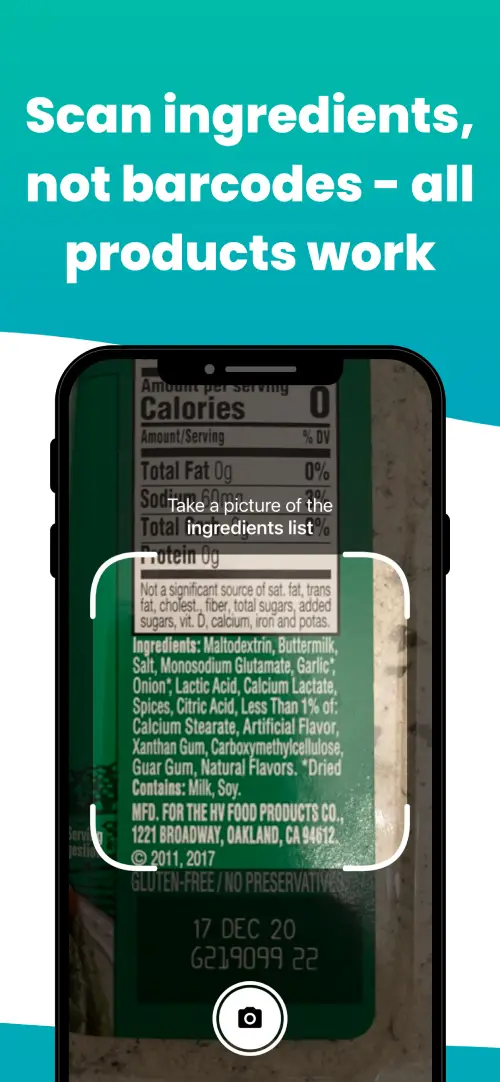
We've built a vegan ingredients scanner that classifies food ingredients as "vegan", "non-vegan", or "potentially vegan".
It allows you to avoid non-vegan ingredients - just take a picture of a product's ingredient list, and the app tells you if the product is vegan or not.



Check out other ingredients:
Is beta vulgaris vegan?Is hexyl laurate vegan?Is polysilicone-15 vegan?Is 1,2-hexanediol vegan?Is dibutyl adipate vegan?Is polyacrylate crosspolymer-6 vegan?Is zucchini vegan?Is grasa vegetal de palma vegan?Is chicorée% vegan?Is laneth-30 vegan?Are coulis de tomates vegan?Is rozsliszt vegan?
We'll never send you spam.