
Is sweet almond oil vegan?
Sweet almond oil is a vegan food ingredient.
Checking out an ingredients list? 👇
"You are amazing, this has saved me so much time when grocery shopping!"
— Austin, a user who reached out with feedback
"It's been a great tool since starting my journey! You take a pic of the nutrition/ingredients, and it'll warn you of anything questionable or not vegan. 😁"
— Ashe, a Vegan For Beginners Facebook Group member
"Use a vegan app when you go shopping, I use WhatsVegan."
— Dóra, a Vegan For Beginners Facebook Group member
So, what is sweet almond oil?
Sweet almond oil, a golden elixir derived from the kernels of the sweet almond tree (Prunus dulcis), holds a revered place across culinary, cosmetic, and wellness applications. Its delicate flavor, light texture, and rich nutrient profile make it a highly sought-after ingredient, particularly within the realm of plant-based living. Understanding its origins and processing clarifies its inherent alignment with ethical consumption.
Its Definitive Vegan Status
The classification of sweet almond oil as unequivocally vegan stems directly from its source. It is produced solely from almonds, the edible seeds of a tree. This means its composition is entirely plant-based, devoid of any animal products, by-products, or derivatives at any stage of its natural lifecycle. For those committed to a vegan lifestyle, sweet almond oil stands as a foundational plant-based alternative to animal fats or other oils that might raise ethical questions. Its production does not involve the exploitation or harm of animals, directly reflecting the core principles of animal ethics that define veganism. As such, it is a truly cruelty-free ingredient from its inception.
Ensuring Purity and Ethical Sourcing
While the inherent nature of sweet almond oil is vegan, a deeper look into its journey from kernel to bottle is important for the discerning consumer. The primary extraction methods—cold-pressing or expeller-pressing—typically involve mechanical processes that physically press the oil from the kernels. These methods are straightforward and generally do not require the use of animal-derived processing aids, such as gelatin or bone char, which can occasionally be a concern with other food products like certain sugars or wines.
However, consumers committed to full transparency and purity will still value label transparency. While rare for pure oils, a thorough examination of ingredient lists ensures no unforeseen additives, although sweet almond oil is almost always sold as a singular ingredient. The absence of hidden animal components in its typical processing solidifies its standing as a pure, plant-based offering, easing concerns about the subtle "gray areas" that can sometimes arise with other ingredients.
Versatility in Compassionate Cuisine and Care
Sweet almond oil's versatility is one of its most compelling attributes for those seeking plant-based alternatives. In the kitchen, its mild, slightly nutty flavor makes it ideal for dressings, baking, or light sautéing without overpowering other ingredients. Beyond culinary uses, its emollients and conditioning properties have made it a staple in natural skincare and haircare. Its light, non-greasy feel and ability to nourish without clogging pores are attributes highly valued by consumers seeking cruelty-free and effective personal care solutions. This widespread utility reinforces its status as a highly adaptable and ethically sound ingredient for a conscious lifestyle.
In conclusion, sweet almond oil confidently holds its place as a definitively vegan ingredient. Its botanical origin, straightforward processing, and widespread utility make it an uncompromised choice for anyone adhering to animal ethics and seeking pure, plant-based options in their food and lifestyle products.
How to quickly find the source of ingredients like sweet almond oil?
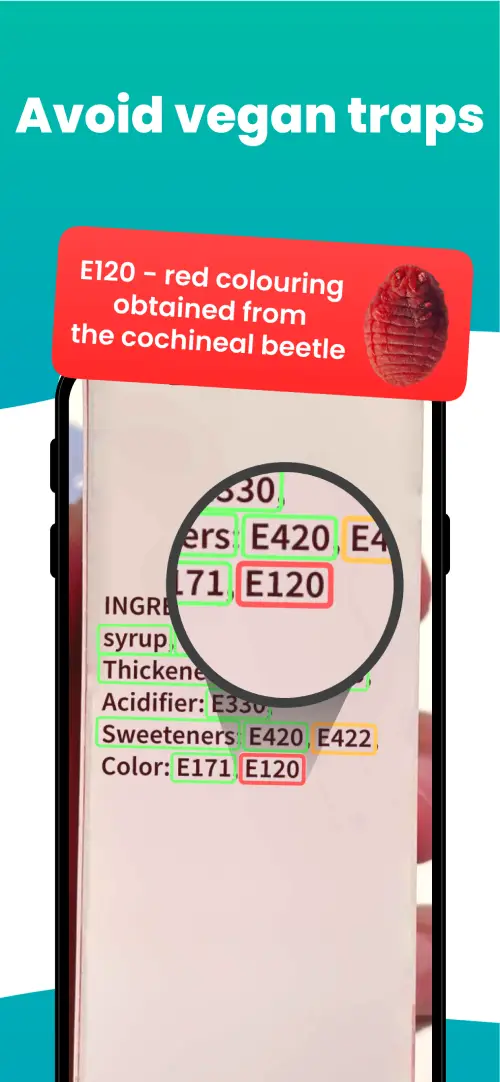
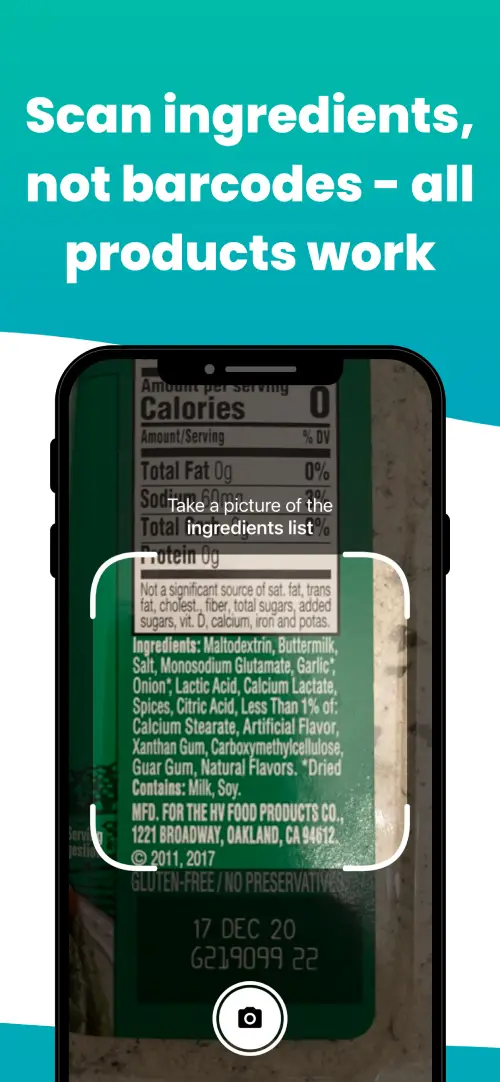
We've built a vegan ingredients scanner that classifies food ingredients as "vegan", "non-vegan", or "potentially vegan".
It allows you to avoid non-vegan ingredients - just take a picture of a product's ingredient list, and the app tells you if the product is vegan or not.



Check out other ingredients:
Is calcium microcrystalline hydroxyapatite vegan?Is tocopheryl acetate vegan?Is hydroxyapatite vegan?Is nitrocellulose vegan?Is adipic acid/neopentyl glycol/trimellitic anhydride copolymer vegan?Is neopentyl glycol vegan?Is coarse sea salt vegan?Is acetyl tributyl citrate vegan?Is isopropyl alcohol vegan?Are whole flax seeds vegan?Is trimethyl siloxysilicate vegan?Are whole flaxseeds vegan?
We'll never send you spam.