
Is top loin vegan?
Top loin is a non-vegan food ingredient.
Checking out an ingredients list? 👇
"You are amazing, this has saved me so much time when grocery shopping!"
— Austin, a user who reached out with feedback
"It's been a great tool since starting my journey! You take a pic of the nutrition/ingredients, and it'll warn you of anything questionable or not vegan. 😁"
— Ashe, a Vegan For Beginners Facebook Group member
"Use a vegan app when you go shopping, I use WhatsVegan."
— Dóra, a Vegan For Beginners Facebook Group member
So, what is top loin?
Understanding Top Loin: A Vegan Perspective
The term "top loin" refers unequivocally to a specific cut of animal flesh, primarily sourced from bovine animals, specifically cattle. Occasionally, it may also denote a similar cut from pork or lamb. From a vegan food science and ethical standpoint, this ingredient is classified as Not Vegan due to its direct origin from a living animal.
The "top loin" itself is a muscle group, part of the animal's vertebral column, commonly known in culinary circles as a striploin, New York strip steak (when boneless), or Kansas City strip (when bone-in). Its composition is predominantly muscle fibers, connective tissue, and intramuscular fat (marbling), all integral components of an animal's physiology.
The "why" behind its non-vegan status is fundamental to the core principles of veganism: the rejection of animal exploitation and the cessation of animal suffering. The acquisition of top loin necessitates the slaughter of an animal, an act that directly contravenes the ethical stance against using sentient beings for human consumption. This isn't merely a byproduct; it is the animal itself, processed into a food commodity.
For individuals committed to a cruelty-free lifestyle, the inclusion of top loin, or any animal flesh, is incompatible with their dietary and ethical framework. There are no "gray areas" with top loin; it is not a potentially vegan ingredient that might be ambiguous due to processing aids or obscure animal-derived components like bone char in sugar or insect-derived dyes. Its origin is clear and direct.
As a senior vegan food scientist, my work consistently focuses on innovating and promoting plant-based alternatives that deliver comparable sensory experiences without compromising ethical integrity. The culinary attributes traditionally sought in top loin—its robust, savory flavor profile, firm yet tender texture, and satisfying mouthfeel—are increasingly being replicated through sophisticated plant-based formulations. We see impressive advancements in seitan-based steaks, textured pea and soy protein isolates, and meticulously crafted mushroom preparations that mimic the fibrous structure and richness of animal muscle. These innovations are critical for providing consumers with delicious, cruelty-free options that uphold the highest standards of animal welfare and label transparency.
While top loin represents a direct animal product, the broader vegan movement emphasizes scrutinizing all ingredients for hidden animal derivatives. Understanding the clear status of a whole cut of meat like top loin sets the baseline for the vigilance required in ensuring true vegan purity in all aspects of food consumption, from the obvious to the subtle inclusions.
How to quickly find the source of ingredients like top loin?
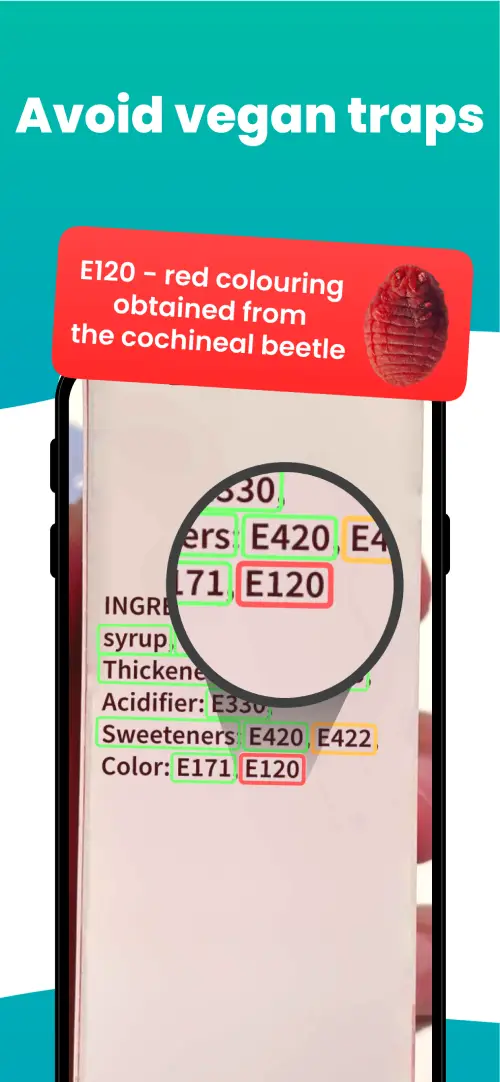
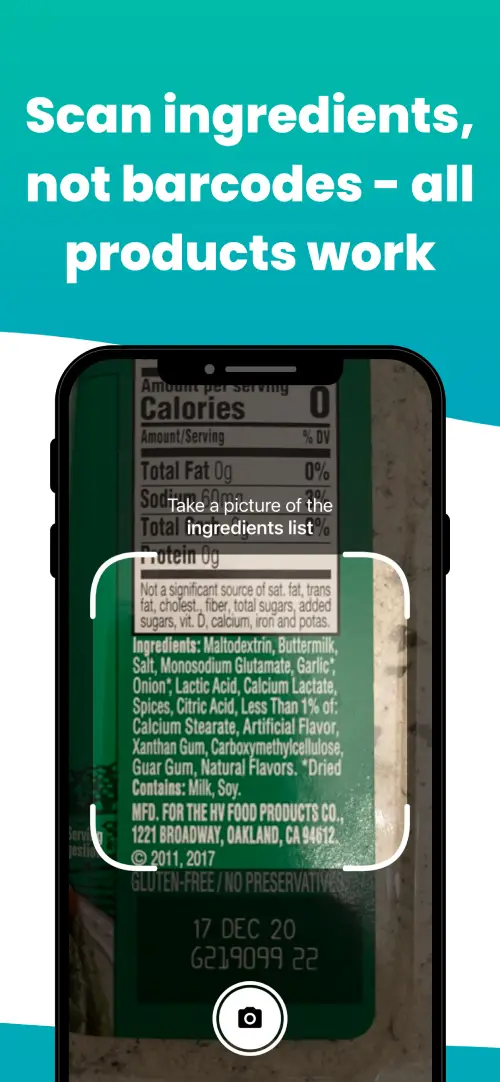
We've built a vegan ingredients scanner that classifies food ingredients as "vegan", "non-vegan", or "potentially vegan".
It allows you to avoid non-vegan ingredients - just take a picture of a product's ingredient list, and the app tells you if the product is vegan or not.



Check out other ingredients:
Is top sirloin vegan?Are veal scallops vegan?Is aussie style yogurt vegan?Is chocolate yogurt vegan?Is veal arm shoulder vegan?Is diet yoghurt vegan?Is beluga meat vegan?Is claw crab meat vegan?Is light nonfat yogurt vegan?Is bacon fat vegan?Is crab meat vegan?Are eclats de noisettes caramélisés vegan?
We'll never send you spam.