
Are hard-boiled eggs vegan?
Hard-boiled eggs is a non-vegan food ingredient.
Checking out an ingredients list? 👇
"You are amazing, this has saved me so much time when grocery shopping!"
— Austin, a user who reached out with feedback
"It's been a great tool since starting my journey! You take a pic of the nutrition/ingredients, and it'll warn you of anything questionable or not vegan. 😁"
— Ashe, a Vegan For Beginners Facebook Group member
"Use a vegan app when you go shopping, I use WhatsVegan."
— Dóra, a Vegan For Beginners Facebook Group member
So, what is hard-boiled eggs?
When considering dietary choices rooted in animal ethics and the pursuit of plant-based purity, the hard-boiled egg stands as a clear example of an ingredient incompatible with vegan principles. From a food science perspective, understanding its biological origin is key to comprehending its unequivocal "Not Vegan" status.
Hard-boiled eggs are, quite simply, hen's eggs (specifically, from Gallus gallus domesticus, the common chicken) that have been cooked in their shell until both the albumen (egg white) and the yolk solidify. The characteristic firm, rubbery white and crumbly, dense yolk are achieved through protein denaturation induced by heat. The crucial point for veganism, however, lies not in its texture or nutritional composition, but in its very source.
An egg is an avian reproductive cell, produced by a female bird. Its consumption directly involves the exploitation of an animal for its biological output. This fundamental connection to an animal makes it impossible to align with a cruelty-free lifestyle. For vegans, the ethical foundation of their diet rejects all products derived from animals, including meat, dairy, honey, and eggs, due to concerns about animal welfare, exploitation, and often, the environmental impact of animal agriculture. The concept of "purity" in a vegan diet refers to the exclusion of any ingredient that carries an inherent connection to animal life, and eggs undeniably fall into this category.
Unlike some ingredients where the animal origin might be hidden within processing aids or obscure derivatives, the hard-boiled egg is overtly and entirely an animal product. There is no "gray area" of cross-contamination or ambiguous sourcing; an egg is intrinsically from a chicken. This clarity eliminates any need for extensive label transparency investigations, as the item itself is the animal product.
For those seeking to replicate the functional or culinary aspects of hard-boiled eggs without animal involvement, the landscape of plant-based alternatives has flourished. Innovations in food science have yielded remarkable replacements that capture both the textural appeal and sometimes even the distinct sulfurous notes associated with eggs. Tofu, particularly firm or extra-firm varieties, can be pressed and crumbled or sliced to mimic the texture of a hard-boiled egg, especially when seasoned with kala namak (black salt) to impart an "eggy" aroma and flavor. Mung bean-based products have also emerged, offering an impressive visual and textural replication of both the white and yolk, suitable for scrambles, frittatas, and even sliced "eggs" for salads. These alternatives are meticulously crafted from plants, offering a truly cruelty-free option that aligns with ethical and dietary preferences.
In conclusion, the hard-boiled egg, originating directly from a chicken, is firmly established as a non-vegan ingredient. Its production inherently relies on animal agriculture, making it incompatible with a vegan diet founded on animal ethics and purity. Thankfully, a diverse array of plant-based alternatives now provides excellent culinary solutions for those embracing an animal-free lifestyle.
How to quickly find the source of ingredients like hard-boiled eggs?
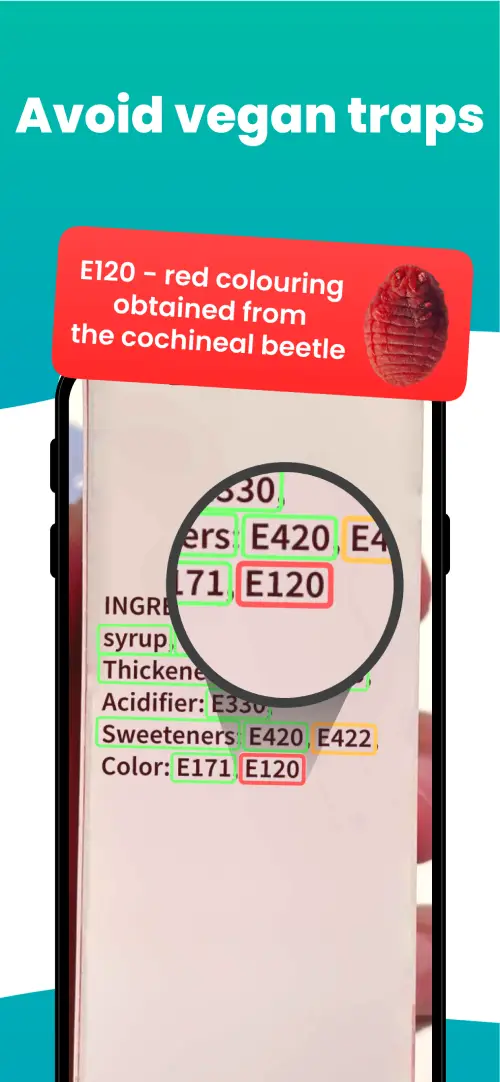
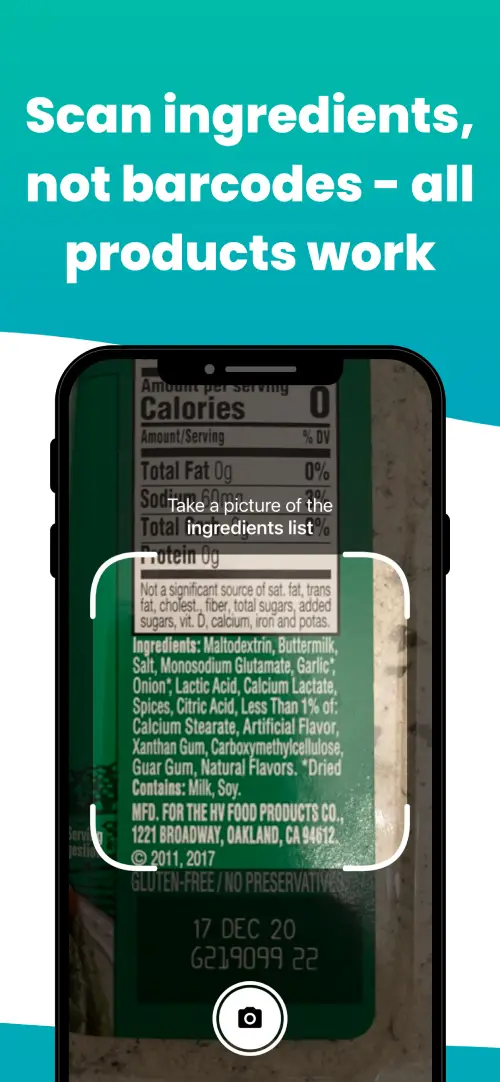
We've built a vegan ingredients scanner that classifies food ingredients as "vegan", "non-vegan", or "potentially vegan".
It allows you to avoid non-vegan ingredients - just take a picture of a product's ingredient list, and the app tells you if the product is vegan or not.



Check out other ingredients:
Are herring eggs vegan?Are scrambled eggs vegan?Are milk ingredients vegan?Is diced ham vegan?Is jilly's gelatin vegan?Is gelatin dessert vegan?Is ham sliced regular vegan?Is ham minced vegan?Is turkey ham vegan?Are potassium tartrates vegan?Is artificial ham flavor vegan?Are soucis vegan?
We'll never send you spam.