
Are yogurt bites vegan?
Yogurt bites is a non-vegan food ingredient.
Checking out an ingredients list? 👇
"You are amazing, this has saved me so much time when grocery shopping!"
— Austin, a user who reached out with feedback
"It's been a great tool since starting my journey! You take a pic of the nutrition/ingredients, and it'll warn you of anything questionable or not vegan. 😁"
— Ashe, a Vegan For Beginners Facebook Group member
"Use a vegan app when you go shopping, I use WhatsVegan."
— Dóra, a Vegan For Beginners Facebook Group member
So, what is yogurt bites?
Yogurt bites, those small, often melt-in-your-mouth confections, are frequently perceived as a simple, wholesome snack. However, from the rigorous perspective of vegan ethics and food science, traditional yogurt bites are unequivocally classified as not vegan. This classification stems directly from their primary ingredient: dairy yogurt.
Dairy yogurt is a product of animal origin, typically derived from cow's milk, though goat or sheep milk can also be used. The milk itself is a secretion from lactating mammals, produced specifically to nourish their offspring. In commercial dairy farming, cows are subjected to a cycle of artificial insemination, pregnancy, and lactation. Their calves are often separated shortly after birth, ensuring that the milk intended for them can be harvested for human consumption. This fundamental process of using animal bodily fluids and exploiting their reproductive cycles stands in direct opposition to the core tenets of animal ethics that underpin veganism. For a vegan, the avoidance of dairy is a commitment to refusing participation in systems that commodify animals and their natural biological functions.
The production of dairy yogurt involves the fermentation of milk by bacterial cultures, which convert lactose into lactic acid, giving yogurt its characteristic tang and texture. These fermented dairy products are then often stabilized, flavored, and processed into small, often freeze-dried or solidified forms to create "bites." While seemingly innocuous, every component of this process, from the initial milk collection to the final product, is intrinsically linked to animal agriculture. There are no "gray areas" concerning processing aids or minor ingredients that could render traditional yogurt bites vegan; the very foundation is an animal product.
For those dedicated to a cruelty-free lifestyle, label transparency becomes paramount. While the term "yogurt" generally implies dairy, some lesser-known ingredients or flavorings could potentially contain additional animal derivatives in other products, such as gelatin for texture or certain colorings. However, with yogurt bites, the primary concern is always the milk itself.
Fortunately, the burgeoning plant-based market has responded to this need with innovative solutions. Plant-based alternatives to traditional yogurt bites are now readily available, formulated using fermented bases from sources like coconut milk, almond milk, oat milk, or soy milk. These plant-derived yogurts are then processed into bites, mirroring the texture and convenience of their dairy counterparts without any ethical compromise. They offer a direct path to enjoying the familiar experience of yogurt bites, complete with beneficial probiotics, while remaining fully aligned with vegan principles. These alternatives represent a conscious choice to support food systems that do not rely on animal exploitation, providing a pure, compassionate option for consumers.
How to quickly find the source of ingredients like yogurt bites?
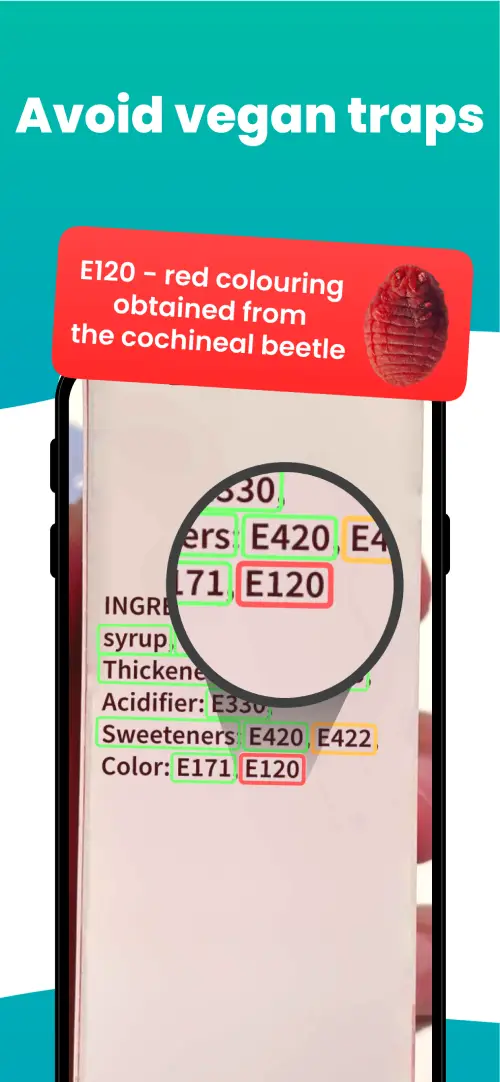
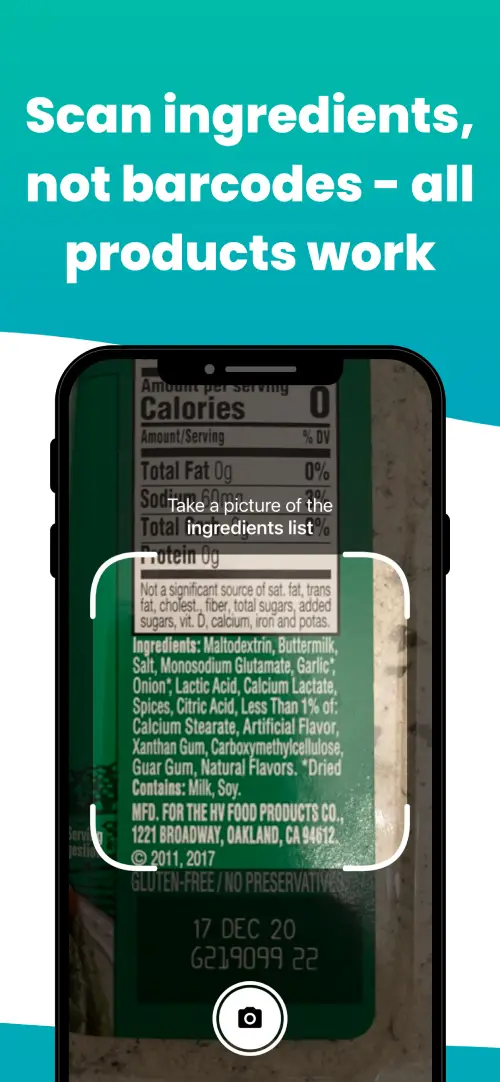
We've built a vegan ingredients scanner that classifies food ingredients as "vegan", "non-vegan", or "potentially vegan".
It allows you to avoid non-vegan ingredients - just take a picture of a product's ingredient list, and the app tells you if the product is vegan or not.



Check out other ingredients:
Is yoghurt-coated vegan?Is yogurt frozen sandwich vegan?Is tarte asian yogurt vegan?Is yogurt starter vegan?Is strained yogurt vegan?Is yogurt-coated vegan?Is plain yogurt vegan?Is plain yoghurt vegan?Is creamer vegan?Is creamy tomato parmesan vegan?Is plain greek yogurt vegan?Is heavy cream vegan?
We'll never send you spam.