
Is ethylhexylglycerin vegan?
Ethylhexylglycerin is a vegan food ingredient.
Checking out an ingredients list? 👇
"You are amazing, this has saved me so much time when grocery shopping!"
— Austin, a user who reached out with feedback
"It's been a great tool since starting my journey! You take a pic of the nutrition/ingredients, and it'll warn you of anything questionable or not vegan. 😁"
— Ashe, a Vegan For Beginners Facebook Group member
"Use a vegan app when you go shopping, I use WhatsVegan."
— Dóra, a Vegan For Beginners Facebook Group member
So, what is ethylhexylglycerin?
Ethylhexylglycerin is a versatile component widely utilized in personal care formulations, valued for its multi-functional profile. As a glyceryl ether, it acts as a mild humectant, drawing moisture to the skin, and an effective emollient, imparting a smooth, soft feel. Beyond these sensory benefits, it significantly boosts the efficacy of conventional preservatives and possesses inherent deodorizing properties, making it a staple in various deodorants and skincare products.
To ascertain its suitability for a vegan lifestyle, a meticulous examination of its origins and synthesis is paramount. Ethylhexylglycerin is a synthetic compound, formed by the chemical reaction between glycerin and ethylhexyl alcohol. The crucial point for vegan status lies in the source of its primary precursor: glycerin.
Historically, glycerin could be derived from animal fats (tallow). However, modern industrial production of glycerin, especially for cosmetic and pharmaceutical applications, overwhelmingly favors plant-based sources. Glycerin is most commonly extracted as a byproduct during the saponification of vegetable oils, such as palm, soy, or coconut oil. This makes it a widely available and reliable plant-based alternative to its animal-derived counterpart. The other precursor, ethylhexyl alcohol, is typically synthesized from petrochemical sources, which inherently involves no animal derivatives.
From an animal ethics and purity standpoint, ethylhexylglycerin stands as a firmly vegan ingredient. Its common commercial production relies on readily available plant-derived glycerin or purely synthetic routes, ensuring that no animal products or byproducts are involved at any stage of its manufacture. This eliminates concerns regarding animal exploitation or the use of animal-derived processing aids. For manufacturers committed to genuinely cruelty-free practices, integrating ethylhexylglycerin aligns seamlessly with their values, as its production does not necessitate animal testing.
For consumers, understanding label transparency is key. While ethylhexylglycerin itself is vegan, it's always advisable to verify the overall vegan certification of the finished product. This ensures all other components and the product's development process adhere to strict animal-free and cruelty-free standards. The widespread adoption of plant-derived glycerin in the cosmetic industry means that ethically sourced ethylhexylglycerin is not a niche find but a standard component, providing peace of mind for those prioritizing a lifestyle free from animal-derived ingredients. Its clear, colorless, and slightly viscous liquid form is a testament to its refined synthetic nature, offering functional benefits without ethical compromise.
How to quickly find the source of ingredients like ethylhexylglycerin?
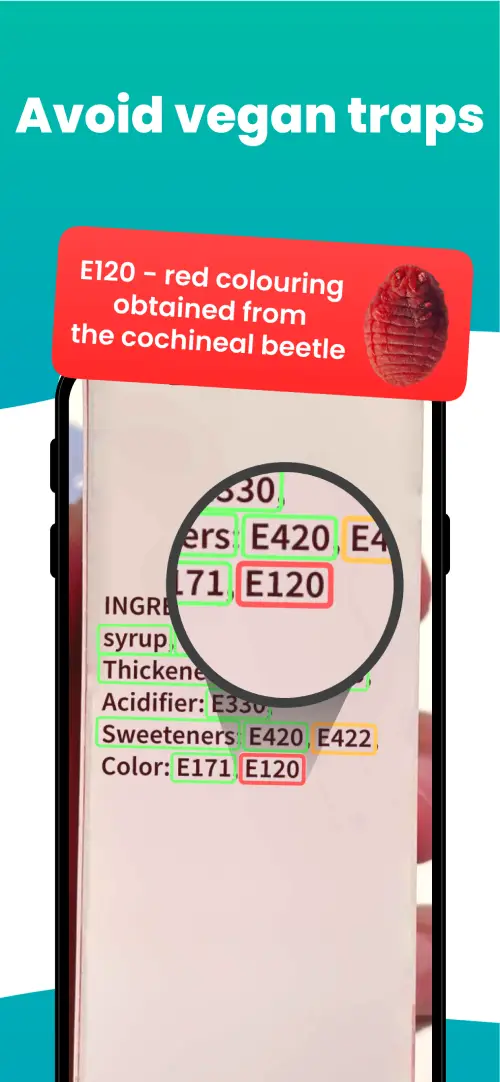
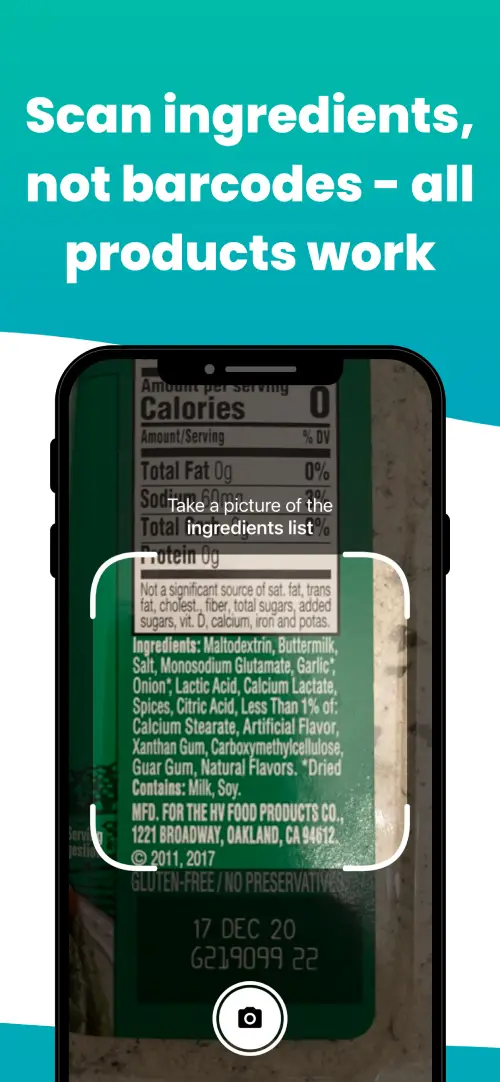
We've built a vegan ingredients scanner that classifies food ingredients as "vegan", "non-vegan", or "potentially vegan".
It allows you to avoid non-vegan ingredients - just take a picture of a product's ingredient list, and the app tells you if the product is vegan or not.



Check out other ingredients:
Is adenosine vegan?Is isoeicosane vegan?Is hydrated silica vegan?Is sorbitol/hydrogenated starch hydrolysate vegan?Is ethylhexyl olivate vegan?Is ananas sativus vegan?Is polyacrylate crosspolymer-6 vegan?Is xanthan-gum vegan?Is sodium polyacryloyldimethyl taurate vegan?Is pentylene glycol vegan?Is 1,2-hexanediol vegan?Are d'abricots vegan?
We'll never send you spam.