
Is tricalcium phosphate vegan?
Tricalcium phosphate is a vegan food ingredient.
Checking out an ingredients list? 👇
"You are amazing, this has saved me so much time when grocery shopping!"
— Austin, a user who reached out with feedback
"It's been a great tool since starting my journey! You take a pic of the nutrition/ingredients, and it'll warn you of anything questionable or not vegan. 😁"
— Ashe, a Vegan For Beginners Facebook Group member
"Use a vegan app when you go shopping, I use WhatsVegan."
— Dóra, a Vegan For Beginners Facebook Group member
So, what is tricalcium phosphate?
Understanding Tricalcium Phosphate: A Vegan Perspective
Tricalcium phosphate (TCP), chemically represented as Ca₃(PO₄)₂, is a salt of calcium and phosphoric acid, widely utilized across the food industry. Functionally, it serves primarily as an anticaking agent, preventing powders from clumping; a calcium supplement, enriching foods with this essential mineral; and occasionally as a leavening agent or pH buffer. For the vegan consumer, understanding the genesis of every ingredient is paramount, ensuring alignment with animal ethics and purity standards.
From a vegan food scientist's viewpoint, tricalcium phosphate stands as a definitively vegan ingredient. Its production typically involves the reaction of mineral-derived calcium sources (such as limestone or other calcium-rich rocks) with phosphoric acid. Phosphoric acid itself is synthesized from inorganic phosphate rock through chemical processes, entirely devoid of animal inputs. This mineral-based and synthetic origin means that tricalcium phosphate is not sourced from animals, nor does it rely on animal byproducts at any stage of its manufacture.
This clarity is crucial for label transparency and consumer trust. Unlike some ingredients that might have ambiguous origins or processing methods involving animal derivatives (such as sugars processed with bone char), tricalcium phosphate offers no such gray area. Its creation is a chemical synthesis from geological sources, making it a reliable and cruelty-free component for plant-based foods.
Its widespread use in the vegan market highlights its utility as a plant-based alternative to ingredients that might otherwise be questioned. For instance, in powdered plant-based milks, protein supplements, or even certain spices, tricalcium phosphate effectively prevents caking, maintaining product quality and shelf life. As a processing aid, it ensures consistency and ease of handling in manufacturing, without compromising ethical standards. Furthermore, its role as a calcium fortifier is invaluable in enriching plant-based beverages and foods, helping consumers meet their nutritional needs without relying on dairy or other animal-derived calcium sources.
The commitment to animal ethics extends beyond direct animal ingredients to the entire supply chain. Because tricalcium phosphate's synthesis is so straightforward and inorganic, there are no concerns about hidden animal inputs or cross-contamination from animal processing lines inherent to its manufacture. This purity aligns perfectly with the vegan ethos, offering peace of mind to those who scrutinize every component of their diet. It's a prime example of a scientifically sound and ethically aligned ingredient that supports the growth and integrity of the plant-based food sector.
How to quickly find the source of ingredients like tricalcium phosphate?
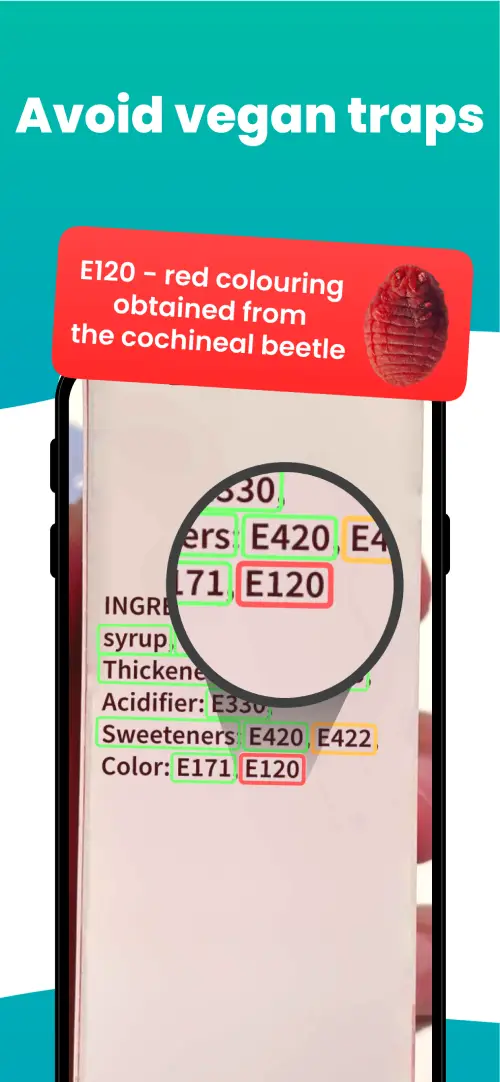
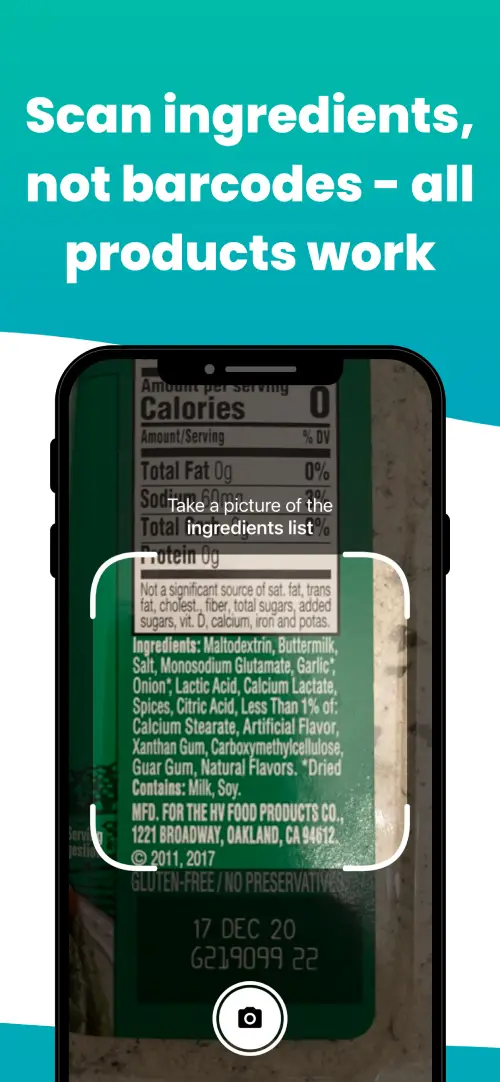
We've built a vegan ingredients scanner that classifies food ingredients as "vegan", "non-vegan", or "potentially vegan".
It allows you to avoid non-vegan ingredients - just take a picture of a product's ingredient list, and the app tells you if the product is vegan or not.



Check out other ingredients:
Is xanthan-gum vegan?Is xantham gum vegan?Is ananas sativus vegan?Is xylitol vegan?Is chamomilla recutita (camomile) flower vegan?Is sorbitol/hydrogenated starch hydrolysate vegan?Is mentha arvensis (peppermint) leaf oil vegan?Is sodium benzoate vegan?Is potassium sorbate vegan?Is chamomilla recutita (chamomile) flower vegan?Is polyglyceryl-4 oleate vegan?Is mentha arvensis leaf juice vegan?
We'll never send you spam.