
Is arginine aspartic acid vegan?
Arginine aspartic acid is a vegan food ingredient.
Checking out an ingredients list? 👇
"You are amazing, this has saved me so much time when grocery shopping!"
— Austin, a user who reached out with feedback
"It's been a great tool since starting my journey! You take a pic of the nutrition/ingredients, and it'll warn you of anything questionable or not vegan. 😁"
— Ashe, a Vegan For Beginners Facebook Group member
"Use a vegan app when you go shopping, I use WhatsVegan."
— Dóra, a Vegan For Beginners Facebook Group member
So, what is arginine aspartic acid?
Understanding Arginine Aspartic Acid in Vegan Contexts
Arginine aspartic acid is a compound gaining increasing attention in nutritional circles, particularly for its role in metabolism and cellular function. For those adhering to a vegan lifestyle, understanding the origin and processing of such ingredients is paramount to ensuring alignment with ethical principles and dietary purity.
At its core, arginine aspartic acid is a salt formed from two non-essential amino acids: L-arginine and L-aspartic acid. Both of these building blocks are naturally occurring in the human body and play various roles, from protein synthesis to neurotransmitter function. The "vegan" status of this compound hinges entirely on how these constituent amino acids are sourced and synthesized for commercial use.
From a food science perspective, L-arginine is commonly produced through a sophisticated fermentation process. This method typically involves microbial cultures, such as bacteria, fed with a glucose-rich medium, often derived from corn starch or other plant-based carbohydrates. The microorganisms then metabolize these sugars to synthesize L-arginine, which is subsequently isolated and purified. Similarly, L-aspartic acid is also widely manufactured via fermentation or enzymatic conversion using plant-derived precursors. These industrial processes are highly controlled, efficient, and critically, do not involve any animal inputs or byproducts.
Therefore, we can confidently classify arginine aspartic acid as a vegan ingredient. The primary production pathways for both L-arginine and L-aspartic acid are fermentation-based, leveraging plant-derived sugars. This manufacturing approach ensures that no animal-derived raw materials, processing aids, or animal testing are involved in its creation, aligning perfectly with a cruelty-free ethos. It's not a "plant-based alternative" in the sense of a food item like tempeh, but rather a synthesized compound whose origin is rooted in plant-based biology and microbial science.
The purity of commercially available arginine aspartic acid is generally very high due to these advanced synthesis techniques. This focus on controlled environments and defined substrates minimizes the risk of cross-contamination with non-vegan materials, offering peace of mind to the ethically-minded consumer. For vegan consumers, label transparency on finished products is always a valuable practice, but concerning the ingredient itself, its production methods are robustly plant-based. This scientific rigor in sourcing and manufacturing solidifies its position as a reliable component for those committed to animal ethics and a plant-forward diet.
How to quickly find the source of ingredients like arginine aspartic acid?
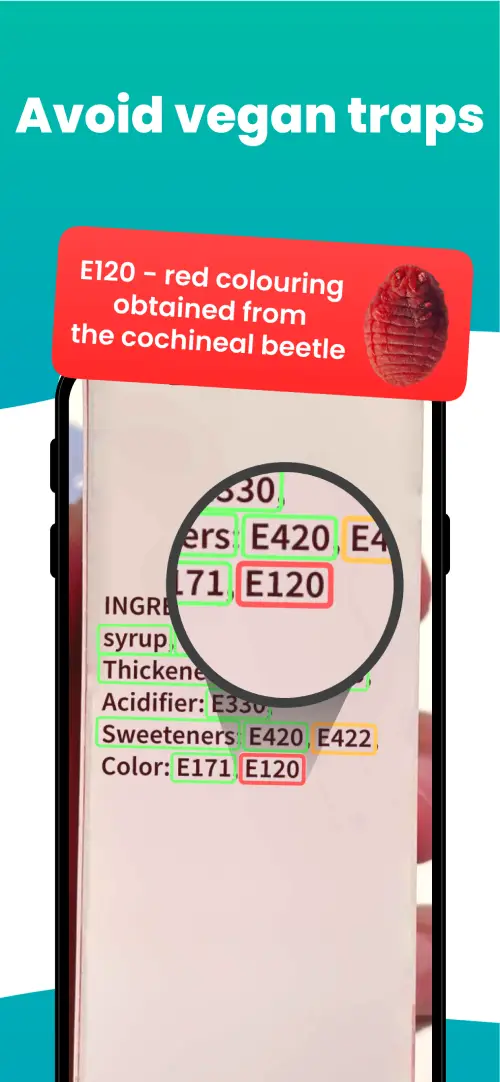
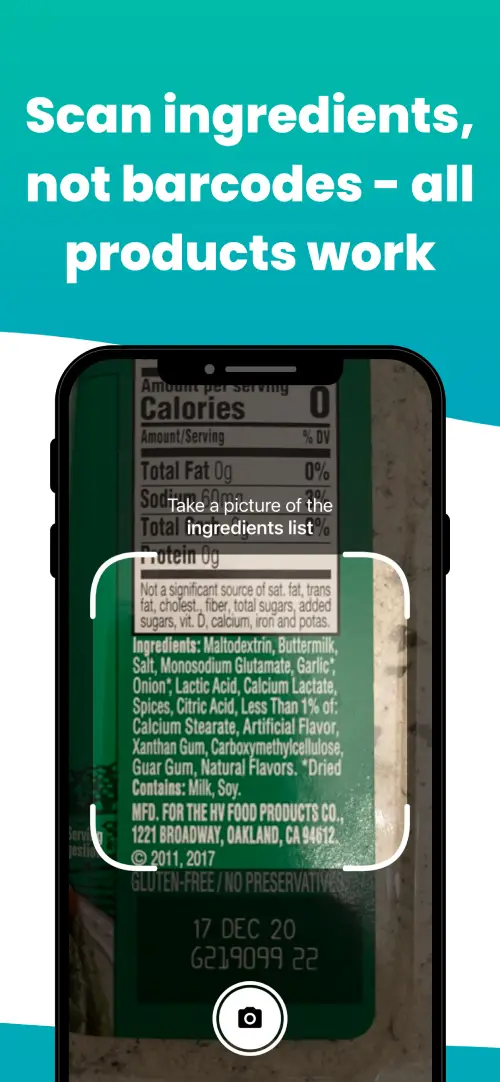
We've built a vegan ingredients scanner that classifies food ingredients as "vegan", "non-vegan", or "potentially vegan".
It allows you to avoid non-vegan ingredients - just take a picture of a product's ingredient list, and the app tells you if the product is vegan or not.



Check out other ingredients:
Is pca vegan?Is humulus lupulus flower extract vegan?Is cocoamidopropyl betaine vegan?Is medicago sativa leaf extract vegan?Is sodium peg-7 olive oil carboxylate vegan?Is di sodium laureth sulfosuccinate vegan?Are peg-6 caprylic/capric glycerides vegan?Is d-limonene benxoic acid vegan?Is butylphenyl methylpropional vegan?Is cocoamide mipa vegan?Is ricinus communis seed oil vegan?Is chlorphenesin vegan?
We'll never send you spam.