
Is d-limonene benxoic acid vegan?
D-limonene benxoic acid is a vegan food ingredient.
Checking out an ingredients list? 👇
"You are amazing, this has saved me so much time when grocery shopping!"
— Austin, a user who reached out with feedback
"It's been a great tool since starting my journey! You take a pic of the nutrition/ingredients, and it'll warn you of anything questionable or not vegan. 😁"
— Ashe, a Vegan For Beginners Facebook Group member
"Use a vegan app when you go shopping, I use WhatsVegan."
— Dóra, a Vegan For Beginners Facebook Group member
So, what is d-limonene benxoic acid?
Understanding D-Limonene Benzoic Acid
In the intricate landscape of modern food science, discerning the origin and ethical implications of every ingredient is paramount for the vegan community. One such compound, d-limonene benzoic acid, merits a closer examination for its role and inherent status. This ingredient is typically formed by the esterification of d-limonene and benzoic acid, both of which possess distinct and verifiable plant origins.
D-limonene, the vibrant terpene component, is primarily extracted from the rinds of citrus fruits like oranges, lemons, and limes. It’s a natural aromatic compound that imparts characteristic fresh, fruity, and citrus notes. Its extraction is a straightforward mechanical process, often involving cold-pressing or steam distillation of the fruit peels, yielding a clear, colorless liquid with an intense citrus aroma. There are no animal inputs at this stage; it is a pure botanical extract.
Benzoic acid, the other constituent, is an organic carboxylic acid found naturally in many plants. Cranberries, prunes, cinnamon, cloves, and apples are notable sources. It functions as a powerful preservative in nature and is widely utilized in food science for its antimicrobial properties. The commercial production of benzoic acid often involves synthetic routes starting from toluene, a petrochemical. However, it's crucial to understand that even when synthetically produced, the process does not typically involve animal-derived raw materials or processing aids. The molecular structure itself is not indicative of animal origin.
When these two components – d-limonene and benzoic acid – are chemically combined to form d-limonene benzoic acid, the resulting compound maintains its unequivocally plant-based lineage. This makes it a prime example of an ingredient whose composition is entirely free from animal involvement from its foundational raw materials to its typical synthesis pathways.
The Unquestionably Vegan Status
From an animal ethics perspective, d-limonene benzoic acid stands firm as a truly vegan ingredient. Its derivation exclusively from plant sources means there is no exploitation of animals, no use of animal byproducts, and no reliance on animal testing for its basic production and characterization as a food additive. This aligns perfectly with the principles of a cruelty-free lifestyle.
Unlike some ingredients that might fall into a "potentially vegan" gray area due to ambiguous processing aids or supply chain practices (e.g., bone char in sugar refining, animal-derived emulsifiers), d-limonene benzoic acid's fundamental nature is inherently vegan. There are no common animal-derived processing aids used in its synthesis that would compromise its vegan integrity. Any potential for cross-contamination in manufacturing facilities, while always a consideration for highly sensitive individuals, does not alter the core vegan status of the ingredient itself. Reputable manufacturers committed to ethical production often implement stringent protocols to prevent such issues.
For consumers, the presence of d-limonene benzoic acid in a product can be viewed with confidence. It supports the growing demand for label transparency and allows individuals to make informed choices that reflect their commitment to animal welfare. As we move towards a more sustainable and ethical food system, ingredients like d-limonene benzoic acid exemplify how sophisticated flavor and preservation can be achieved entirely through plant-based alternatives, fostering both innovation and integrity in our food supply.
How to quickly find the source of ingredients like d-limonene benxoic acid?
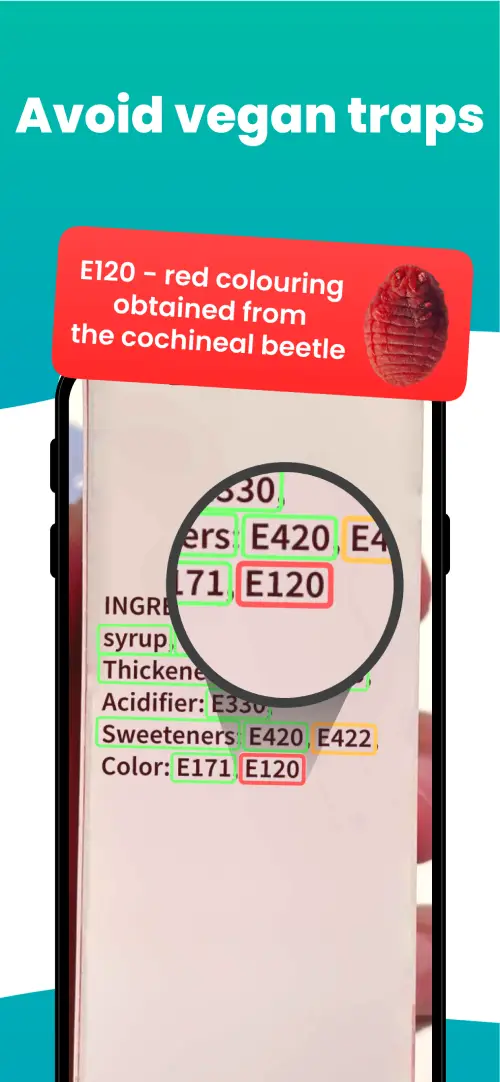
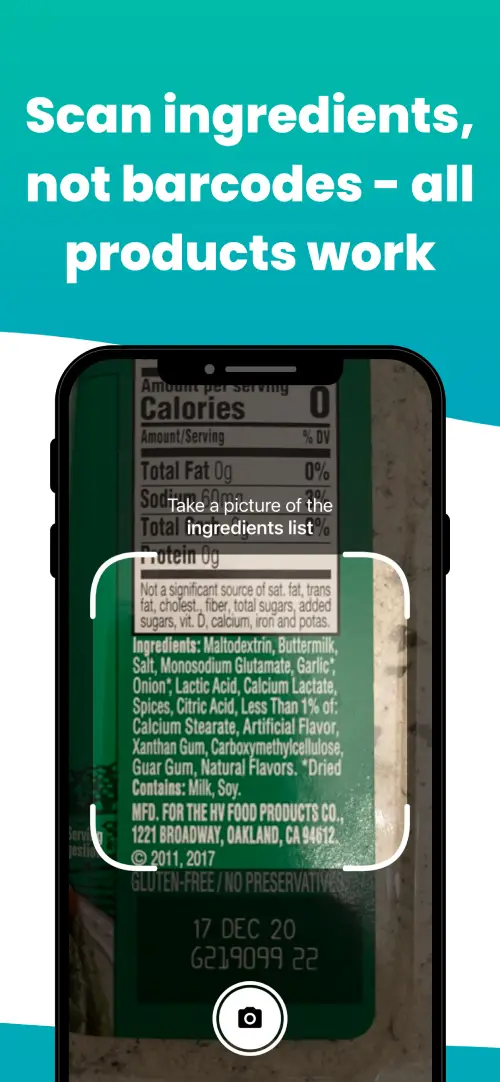
We've built a vegan ingredients scanner that classifies food ingredients as "vegan", "non-vegan", or "potentially vegan".
It allows you to avoid non-vegan ingredients - just take a picture of a product's ingredient list, and the app tells you if the product is vegan or not.



Check out other ingredients:
Is propylene glycol vegan?Is butylphenyl methylpropional vegan?Is melilotus officinalis flower extract vegan?Is ricinus communis seed oil vegan?Is medicago sativa leaf extract vegan?Is hydroxyethyl urea vegan?Is arginine aspartic acid vegan?Is peg-150 distearate vegan?Is sodium laureth sulfate vegan?Is cocoamidopropyl betaine vegan?Is sodium peg-7 olive oil carboxylate vegan?Is di sodium laureth sulfosuccinate vegan?
We'll never send you spam.