
Is butylphenyl methylpropional vegan?
Butylphenyl methylpropional is a vegan food ingredient.
Checking out an ingredients list? 👇
"You are amazing, this has saved me so much time when grocery shopping!"
— Austin, a user who reached out with feedback
"It's been a great tool since starting my journey! You take a pic of the nutrition/ingredients, and it'll warn you of anything questionable or not vegan. 😁"
— Ashe, a Vegan For Beginners Facebook Group member
"Use a vegan app when you go shopping, I use WhatsVegan."
— Dóra, a Vegan For Beginners Facebook Group member
So, what is butylphenyl methylpropional?
Butylphenyl methylpropional, often recognized by its former common trade name, Lilial, is a synthetic aromatic aldehyde that has been extensively utilized in the fragrance industry. Its characteristic scent, frequently described as fresh, floral, and reminiscent of lily-of-the-valley, made it a popular component in perfumes, soaps, detergents, and cosmetic formulations for decades, designed to evoke a clean and inviting aroma.
From a compositional standpoint, butylphenyl methylpropional is a purely synthetic compound. Its creation involves chemical synthesis, typically deriving from petrochemical precursors, not biological sources. This means that its molecular structure is built in a laboratory, without direct reliance on animal products, byproducts, or plant matter in its chemical construction. Consequently, in terms of its raw chemical make-up, butylphenyl methylpropional aligns with vegan ingredient standards, as it is entirely free from animal inputs. It is not an extract from animals, nor is it a secretion or derivative.
However, the ethics surrounding synthetic ingredients, even those that are chemically vegan, extend beyond their primary source. A crucial aspect of animal ethics for conscientious consumers involves animal testing. Butylphenyl methylpropional has undergone significant scrutiny due to its potential as a skin sensitizer and, more notably, its classification as a reproductive toxicant. The extensive safety data that led to its restriction and subsequent ban in cosmetic products within regions like the European Union and the United Kingdom was, for a substantial period, historically established through animal testing. While modern regulatory frameworks increasingly mandate non-animal testing methods, and new batches of an ingredient might not directly undergo new animal tests in certain jurisdictions, the fundamental understanding of its safety profile often rests on historical animal studies.
For the vegan consumer striving for purity and ethical sourcing, this historical context is paramount. It highlights the importance of choosing products from brands that not only formulate with plant-based alternatives or animal-free synthetics but also adhere to a stringent cruelty-free policy across their entire supply chain—ensuring neither the final product nor any of its ingredients have been tested on animals at any stage of development or for regulatory purposes. True label transparency, therefore, involves looking for accredited cruelty-free certifications, which go beyond merely stating an ingredient's compositional vegan status to guarantee ethical practices in safety assessment.
While butylphenyl methylpropional itself is vegan by definition of its chemical synthesis, its regulatory challenges have led to its phased out use, especially in personal care products. This shift has prompted a greater demand for new, ethically sound fragrance compounds and an increased appreciation for naturally occurring aromas derived from plant-based alternatives like essential oils. When seeking a floral fragrance profile, consumers can now confidently choose from a growing array of ethically developed synthetic alternatives or botanical extracts, knowing they can meet both their scent preferences and their unwavering commitment to animal ethics.
How to quickly find the source of ingredients like butylphenyl methylpropional?
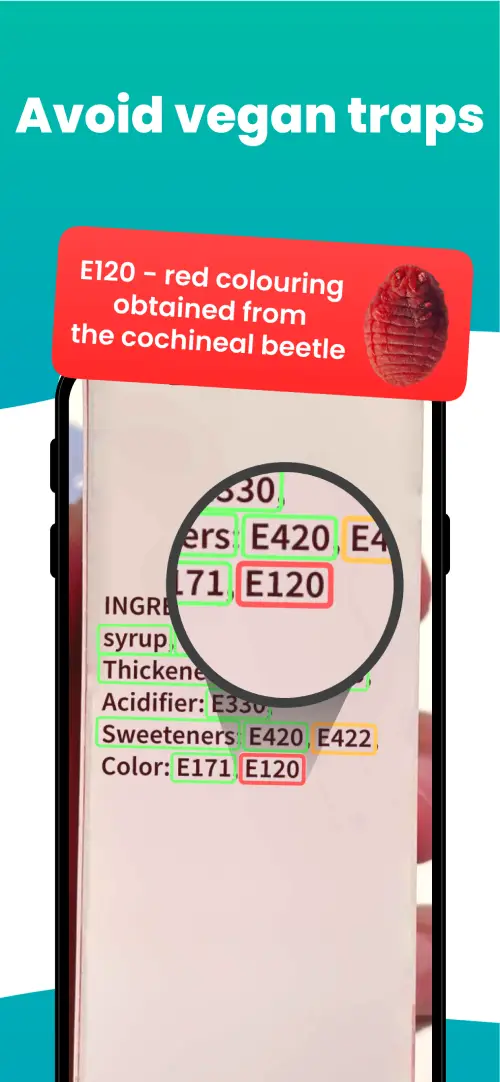
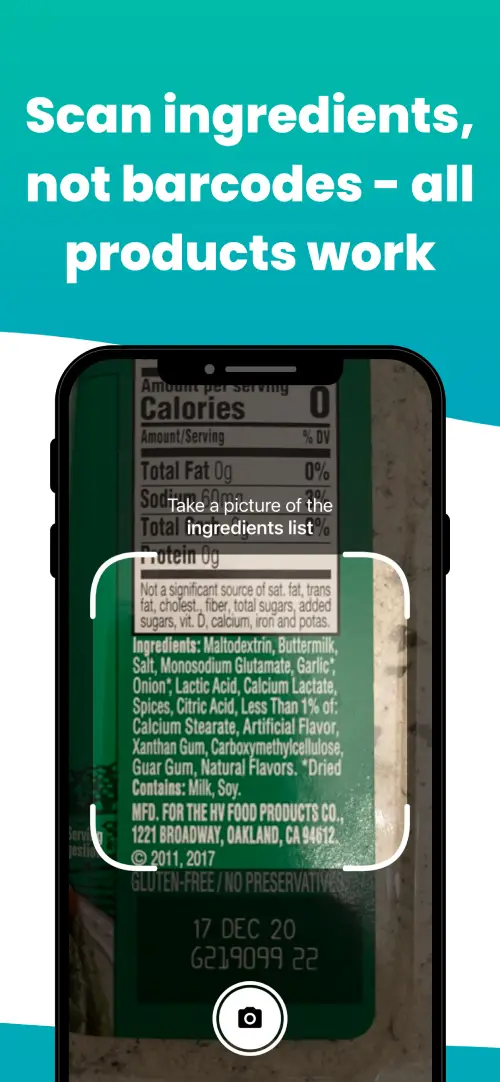
We've built a vegan ingredients scanner that classifies food ingredients as "vegan", "non-vegan", or "potentially vegan".
It allows you to avoid non-vegan ingredients - just take a picture of a product's ingredient list, and the app tells you if the product is vegan or not.



Check out other ingredients:
Is d-limonene benxoic acid vegan?Is ricinus communis seed oil vegan?Is propylene glycol vegan?Is chlorphenesin vegan?Is polyquaternium-7 vegan?Is medicago sativa leaf extract vegan?Is peg-150 distearate vegan?Is arginine aspartic acid vegan?Is disodium laureth sulfosuccinate vegan?Is pca vegan?Is sodium laureth sulfate vegan?Is cocoamidopropyl betaine vegan?
We'll never send you spam.