
Is cocoamidopropyl betaine vegan?
Cocoamidopropyl betaine is a vegan food ingredient.
Checking out an ingredients list? 👇
"You are amazing, this has saved me so much time when grocery shopping!"
— Austin, a user who reached out with feedback
"It's been a great tool since starting my journey! You take a pic of the nutrition/ingredients, and it'll warn you of anything questionable or not vegan. 😁"
— Ashe, a Vegan For Beginners Facebook Group member
"Use a vegan app when you go shopping, I use WhatsVegan."
— Dóra, a Vegan For Beginners Facebook Group member
So, what is cocoamidopropyl betaine?
Unpacking Cocoamidopropyl Betaine: An Ethical Deep Dive
Cocoamidopropyl betaine (CAPB) stands as a foundational ingredient across countless formulations, from personal care to cleaning products. Its name, though complex, points directly to its primary lineage and its crucial role in modern ethical manufacturing. For those committed to animal welfare and purity in consumption, understanding the precise origin and processing of CAPB is paramount.
Chemically, CAPB is an amphoteric surfactant, a compound possessing both positive and negative charges, allowing it to interact effectively with water and oil. This unique structure grants it exceptional properties as a foam booster, mild cleanser, and conditioning agent, contributing to the luxurious feel and effective performance of many products. You'll often encounter it as a clear to pale yellow viscous liquid, readily incorporated into formulations.
The Vegan Blueprint: Derived from Coconut Purity
The definitive vegan status of cocoamidopropyl betaine stems directly from its primary precursors: coconut oil and dimethylaminopropylamine (DMAPA). The initial step involves the reaction of fatty acids, typically sourced from coconut oil, with DMAPA. Coconut oil, a readily available and sustainable plant-based resource, provides the "coco" part of its name and forms the ethical bedrock of this ingredient. Its abundance and lack of animal involvement make it an exemplary choice for vegan product development.
The dimethylaminopropylamine component is typically synthesized, historically from petrochemical sources. However, for a product to genuinely align with strict vegan principles, the entire supply chain, including the sourcing of DMAPA, must be scrutinized. Reputable manufacturers committed to cruelty-free and vegan certifications ensure that the DMAPA used in their CAPB is either derived from plant-based feedstocks (bio-based propanediamine) or that the synthesis process is entirely free from animal-derived processing aids or components at any stage. This commitment to full label transparency by ethical brands provides assurance that no animal products or byproducts, however tangential, contribute to the final ingredient.
Consequently, when sourced from conscientious suppliers, cocoamidopropyl betaine represents a widely adopted and entirely vegan ingredient. It is a common and highly effective plant-based alternative to surfactants that might, in other contexts, involve animal fats or byproducts in their synthesis. Its efficacy as a gentle cleanser and foam enhancer makes it a preferred choice, avoiding the ethical dilemmas associated with animal-derived ingredients.
An Indispensable Plant-Based Ally
For formulators and consumers alike, CAPB is a valued component, celebrated for its mildness on skin and hair, its ability to reduce irritation from other surfactants, and its excellent foaming capabilities. Its plant-derived foundation means it aligns perfectly with the burgeoning demand for products free from animal exploitation. This makes it a benchmark for those seeking truly plant-based alternatives in personal care, beauty, and even household cleaning, embodying the fusion of scientific innovation with profound ethical commitment. Its widespread use underscores its reliability and functionality within the vegan market.
How to quickly find the source of ingredients like cocoamidopropyl betaine?
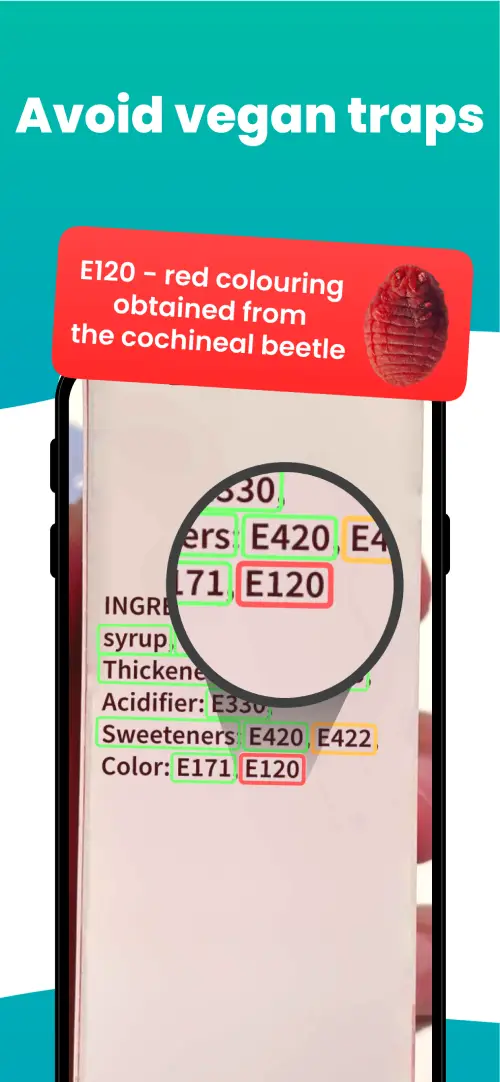
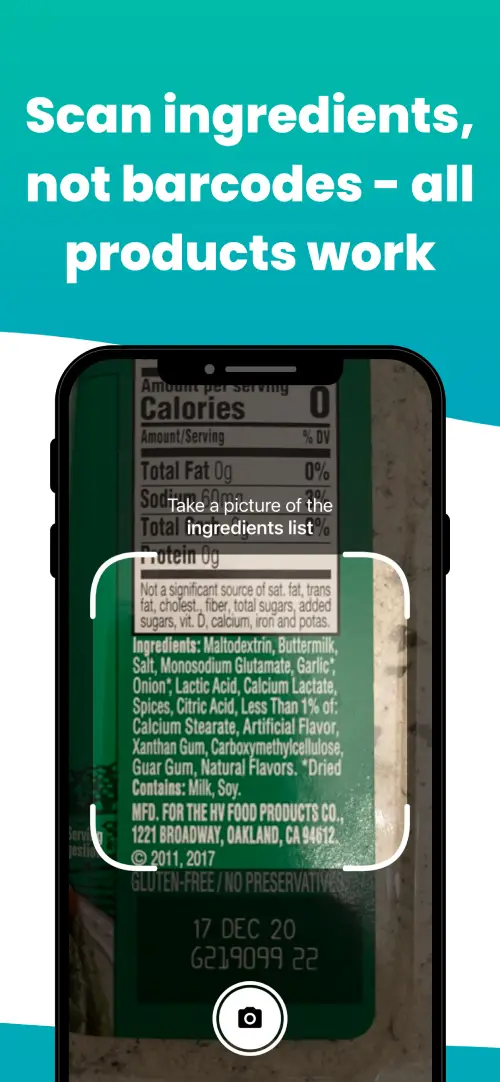
We've built a vegan ingredients scanner that classifies food ingredients as "vegan", "non-vegan", or "potentially vegan".
It allows you to avoid non-vegan ingredients - just take a picture of a product's ingredient list, and the app tells you if the product is vegan or not.



Check out other ingredients:
Is sodium laureth sulfate vegan?Are peg-6 caprylic/capric glycerides vegan?Is arginine aspartic acid vegan?Is humulus lupulus flower extract vegan?Is peg-40/ppg-8 methyl amino propyl/dimethicone copolymer vegan?Is melilotus officinalis flower extract vegan?Is propylene glycol vegan?Is d-limonene benxoic acid vegan?Is hydroxypropyl oxidized strach pg trimonium chloride vegan?Is butylphenyl methylpropional vegan?Is hydroxypropyl trimonium chloride vegan?Is ricinus communis seed oil vegan?
We'll never send you spam.