
Is propylene glycol vegan?
Propylene glycol is a vegan food ingredient.
Checking out an ingredients list? 👇
"You are amazing, this has saved me so much time when grocery shopping!"
— Austin, a user who reached out with feedback
"It's been a great tool since starting my journey! You take a pic of the nutrition/ingredients, and it'll warn you of anything questionable or not vegan. 😁"
— Ashe, a Vegan For Beginners Facebook Group member
"Use a vegan app when you go shopping, I use WhatsVegan."
— Dóra, a Vegan For Beginners Facebook Group member
So, what is propylene glycol?
Propylene glycol is an ingredient frequently encountered across a spectrum of food products, cosmetics, and pharmaceuticals. Its presence in ingredient lists often prompts inquiry from those committed to a vegan lifestyle. As consumers increasingly scrutinize the origins of every component, understanding compounds like PG becomes paramount for upholding ethical dietary principles.
At its core, propylene glycol is a synthetic organic compound, a clear, colorless, and slightly viscous liquid renowned for its versatile properties. Chemically, it's a diol, an alcohol with two hydroxyl groups, which enables its functionality as a solvent, humectant, and stabilizer. The crucial aspect for vegan ethics lies in its synthesis. The vast majority of propylene glycol produced globally is derived from propylene oxide, a chemical intermediate predominantly sourced from petroleum. This petrochemical origin inherently bypasses any animal-derived starting materials or byproducts.
Furthermore, a growing segment of propylene glycol production utilizes glycerol, often referred to as "bio-based" propylene glycol. This glycerol is typically a byproduct of biodiesel manufacturing, itself derived from plant oils such as rapeseed, soy, or palm. While palm oil itself carries complex ethical considerations regarding deforestation and habitat destruction, the glycerol pathway, when sourced responsibly, remains entirely free from animal components. Neither the petrochemical nor the plant-glycerol routes involve animal fats, animal bones, or any other animal-derived substances in their standard manufacturing processes. This makes propylene glycol a fundamentally vegan ingredient by design.
Far from being a simple filler, propylene glycol plays a significant role in enhancing the quality and stability of many plant-based alternatives. As a humectant, it helps retain moisture, contributing to desirable textures in vegan baked goods, desserts, and meat analogues, preventing them from drying out. As a solvent, it ensures the even dispersion of flavors, colors, and extracts, which is vital for achieving appealing sensory experiences in complex vegan formulations. Its stability-enhancing properties also contribute to the extended shelf life of products, reducing waste and making vegan options more accessible. This functional utility directly supports the development and widespread adoption of cruelty-free products, indirectly serving the broader animal ethics movement by making delicious, long-lasting vegan foods possible.
For the discerning vegan consumer, the purity of ingredients extends beyond just the primary source. It encompasses the entire supply chain, including processing aids and potential cross-contamination. In the case of propylene glycol, its synthetic nature provides a high degree of assurance. Standard industrial production protocols for both petroleum-derived and bio-based propylene glycol do not involve animal-derived processing aids, nor is there a common risk of incidental animal-product contact within its manufacturing. This offers a clear path for label transparency, allowing brands to confidently include PG in their vegan formulations without reservation regarding its fundamental ethical standing. It's not an ingredient where one needs to delve into "gray areas" like bone char filtration or insect-derived carriers; its chemical synthesis is inherently animal-free.
In conclusion, propylene glycol stands as a robust example of a synthetic compound that aligns seamlessly with vegan principles. Its primary origins from petrochemicals or plant-derived glycerol guarantee its freedom from animal exploitation at a foundational level. For brands committed to ethical sourcing and for consumers seeking truly cruelty-free products, propylene glycol serves as a functional, compatible ingredient that supports the innovation and quality of plant-based foods, enhancing their appeal and accessibility without compromising ethical integrity.
How to quickly find the source of ingredients like propylene glycol?
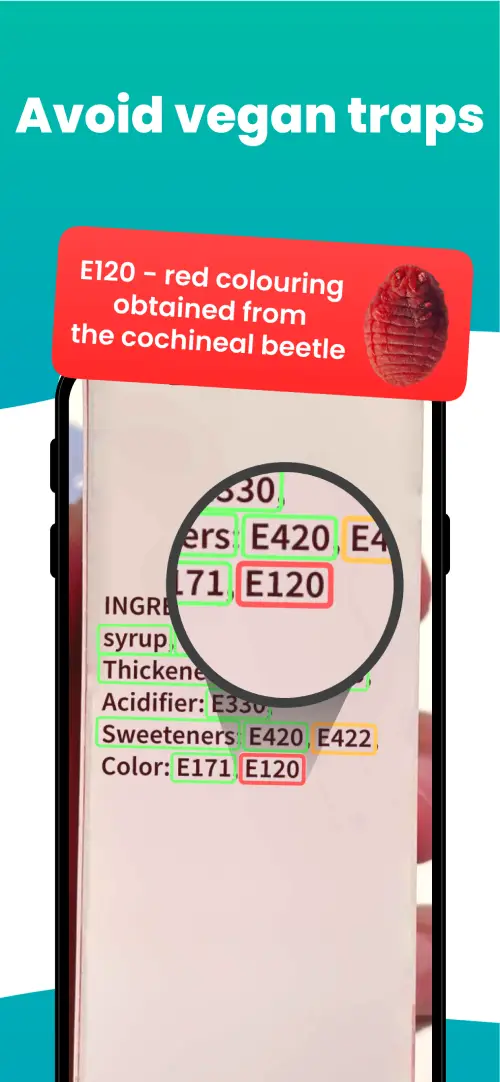
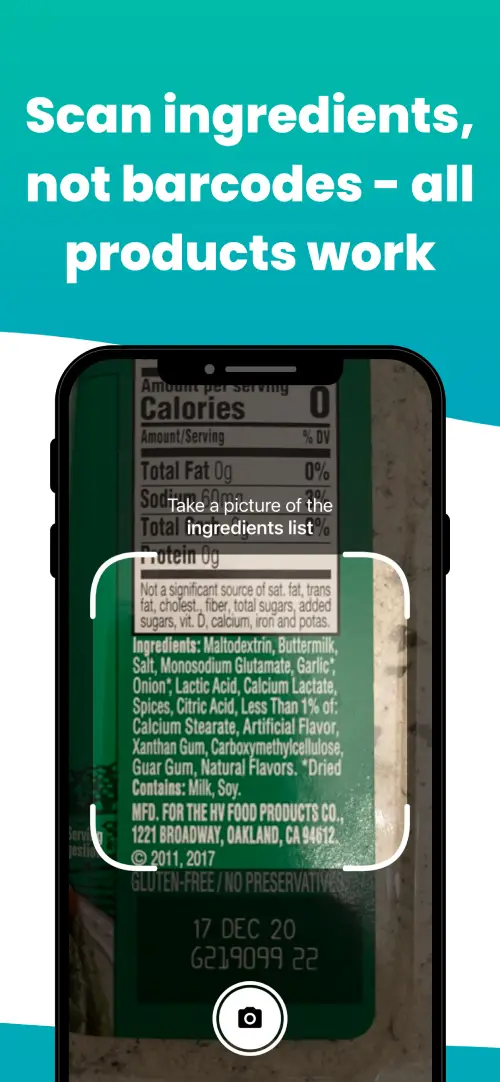
We've built a vegan ingredients scanner that classifies food ingredients as "vegan", "non-vegan", or "potentially vegan".
It allows you to avoid non-vegan ingredients - just take a picture of a product's ingredient list, and the app tells you if the product is vegan or not.



Check out other ingredients:
Is d-limonene benxoic acid vegan?Is medicago sativa leaf extract vegan?Is butylphenyl methylpropional vegan?Is rosmarinus offinalis leaf extract vegan?Is ricinus communis seed oil vegan?Is humulus lupulus flower extract vegan?Is chlorphenesin vegan?Is polyquaternium-7 vegan?Is pca vegan?Is hydroxyethyl urea vegan?Is sodium laureth sulfate vegan?Is cocoamidopropyl betaine vegan?
We'll never send you spam.