
Is tin oxide vegan?
Tin oxide is a vegan food ingredient.
Checking out an ingredients list? 👇
"You are amazing, this has saved me so much time when grocery shopping!"
— Austin, a user who reached out with feedback
"It's been a great tool since starting my journey! You take a pic of the nutrition/ingredients, and it'll warn you of anything questionable or not vegan. 😁"
— Ashe, a Vegan For Beginners Facebook Group member
"Use a vegan app when you go shopping, I use WhatsVegan."
— Dóra, a Vegan For Beginners Facebook Group member
So, what is tin oxide?
Understanding Tin Oxide in Vegan Formulations
Tin oxide (SnO2), also known as stannic oxide, is a naturally occurring mineral compound widely recognized for its robust properties. In its purified form, it typically presents as a fine, white, or off-white powder with excellent stability. While often encountered in industrial applications, its role within the food sector, particularly within the realm of plant-based products, merits a clear and definitive understanding regarding its ethical status.
From the perspective of a vegan food scientist deeply committed to animal welfare, tin oxide stands out as an unequivocally vegan ingredient. Its genesis is purely mineral; it is mined from the earth and subsequently processed to achieve the purity required for food-grade applications. This inorganic origin means it is entirely devoid of animal-derived components, byproducts, or secretions at any stage of its natural existence or standard refinement.
For the conscientious consumer, this mineral lineage is crucial. There is no involvement of animals, animal testing, or animal exploitation in its fundamental production. Unlike certain compounds whose status can be ambiguous due to processing aids or clarifying agents – such as sugars potentially filtered with bone char, or gelatin derived from animal collagen – tin oxide’s production chain is straightforward and free from such "gray area" ethical considerations. The processes typically involve physical and chemical purification, which do not necessitate the use of animal-derived substances. This makes tin oxide a reliable and consistent choice for manufacturers striving to create truly cruelty-free products.
In plant-based food systems, tin oxide primarily functions as a white pigment or opacifying agent. Its ability to impart a bright, opaque white color is valuable in products where a specific visual appeal is desired, without relying on less ethically sound alternatives that might have animal connections. For instance, in some confectioneries or glazes, achieving a vibrant white might historically have involved ingredients with questionable sourcing, but tin oxide offers a clean, mineral-based solution. Its stability ensures that the desired visual characteristics are maintained throughout the product's shelf life, a key attribute for quality plant-based formulations.
The transparency surrounding tin oxide's origin makes it a commendable ingredient for label-conscious vegans. When you see "tin oxide" listed, you can be confident that it aligns with a diet and lifestyle free from animal products. It exemplifies an ingredient that supports the integrity of plant-based alternatives, contributing to products that are not only delicious and functional but also ethically sound. Its inclusion in vegan products underscores a commitment to purity and a respectful stance towards all living beings.
How to quickly find the source of ingredients like tin oxide?
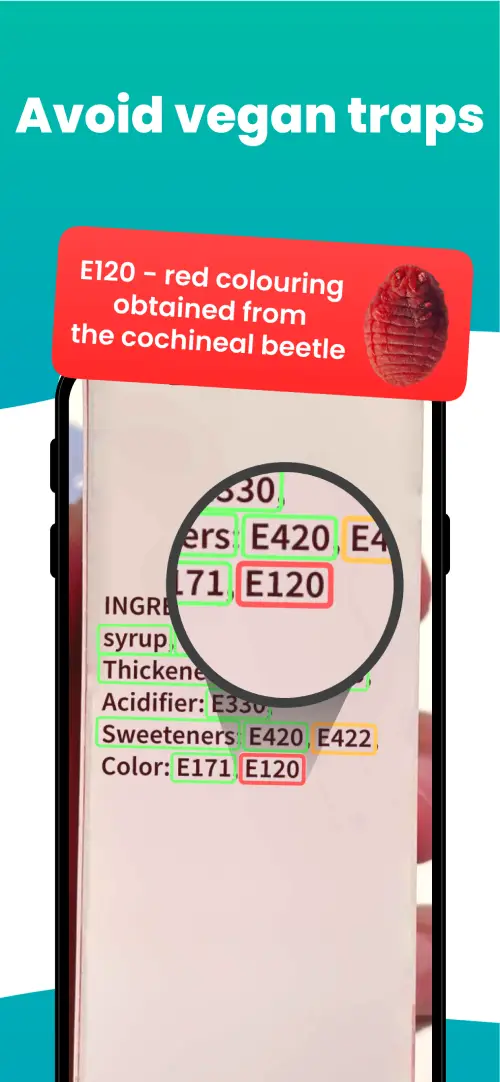
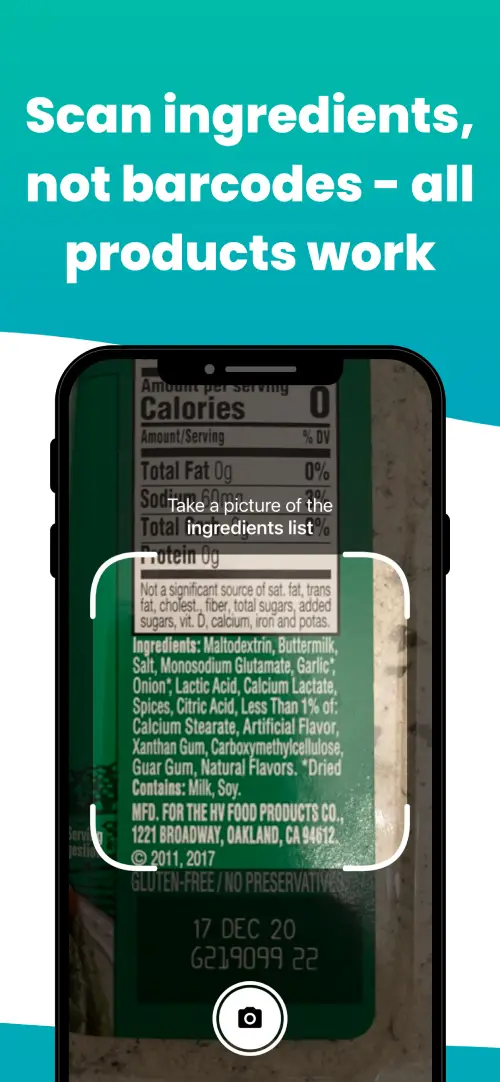
We've built a vegan ingredients scanner that classifies food ingredients as "vegan", "non-vegan", or "potentially vegan".
It allows you to avoid non-vegan ingredients - just take a picture of a product's ingredient list, and the app tells you if the product is vegan or not.



Check out other ingredients:
Is talc vegan?Is hydrogenated styrene vegan?Are glass beads vegan?Is bronze powder vegan?Is pyridoxine hcl vegan?Is ci 77163 vegan?Is bismuth oxychloride vegan?Is ci 77000 vegan?Is ocimum sanctum vegan?Is aluminum powder vegan?Is pandanus odoratissimus vegan?Are ultramarines vegan?
We'll never send you spam.