
Is bronze powder vegan?
Bronze powder is a vegan food ingredient.
Checking out an ingredients list? 👇
"You are amazing, this has saved me so much time when grocery shopping!"
— Austin, a user who reached out with feedback
"It's been a great tool since starting my journey! You take a pic of the nutrition/ingredients, and it'll warn you of anything questionable or not vegan. 😁"
— Ashe, a Vegan For Beginners Facebook Group member
"Use a vegan app when you go shopping, I use WhatsVegan."
— Dóra, a Vegan For Beginners Facebook Group member
So, what is bronze powder?
Bronze Powder: A Component Analysis for Ethical Consumption
Bronze powder, a lustrous metallic pigment, often graces confectionery, cosmetic formulations, and decorative food applications, imparting a distinctive sheen. Chemically, it is an alloy predominantly composed of copper and tin, finely milled into a particulate form. The visual appeal – a rich, warm, golden-brown – is derived from the inherent properties of these base metals. Understanding its origins and manufacturing pathway is crucial for those committed to a truly plant-based and cruelty-free lifestyle.
From a vegan perspective, bronze powder stands as an inherently pure and ethical ingredient. Its fundamental components, copper and tin, are naturally occurring elements extracted from the earth. These are minerals, not derived from any animal or plant source. The transformation of these raw metals into a fine powder typically involves mechanical processes such as atomization, grinding, and flaking, or chemical precipitation methods. None of these standard industrial procedures necessitate the involvement of animal-derived materials, either as core ingredients or as processing aids.
This distinction is particularly significant when compared to other colorants and pigments used across various industries. While some vibrant reds, for instance, can trace their origins to insect cochineal (carmine) or certain yellows might involve shellac, bronze powder offers a clear, animal-free pathway to achieving metallic aesthetics. Its status is not contingent on specific agricultural practices or a carefully managed supply chain to avoid animal inputs in the same way some refined sugars might be, due to potential bone char filtration.
For brands committed to label transparency and consumers seeking uncompromisingly vegan products, bronze powder simplifies ingredient sourcing in this particular category. When integrated into a final product, the presence of bronze powder itself does not introduce animal components. This allows formulators to confidently claim a "cruelty-free" status for products where all other ingredients and the finished article have also avoided animal testing and animal-derived constituents. While bronze powder is not a "plant-based alternative" in the sense of replacing an animal-derived ingredient, it inherently aligns with the ethos by being entirely non-animal.
However, vigilance remains paramount in complex formulations. While the pigment itself is vegan, responsible brands will always ensure that any binders, carriers, or other co-ingredients within a decorative sprinkle or cosmetic item are similarly free from animal products. Scrutiny of certifications and supplier documentation for the finished product, rather than just the isolated bronze powder, solidifies consumer confidence. This diligent approach ensures that the beautiful, shimmering effect of bronze powder truly represents an ethical choice, embodying purity from source to application.
How to quickly find the source of ingredients like bronze powder?
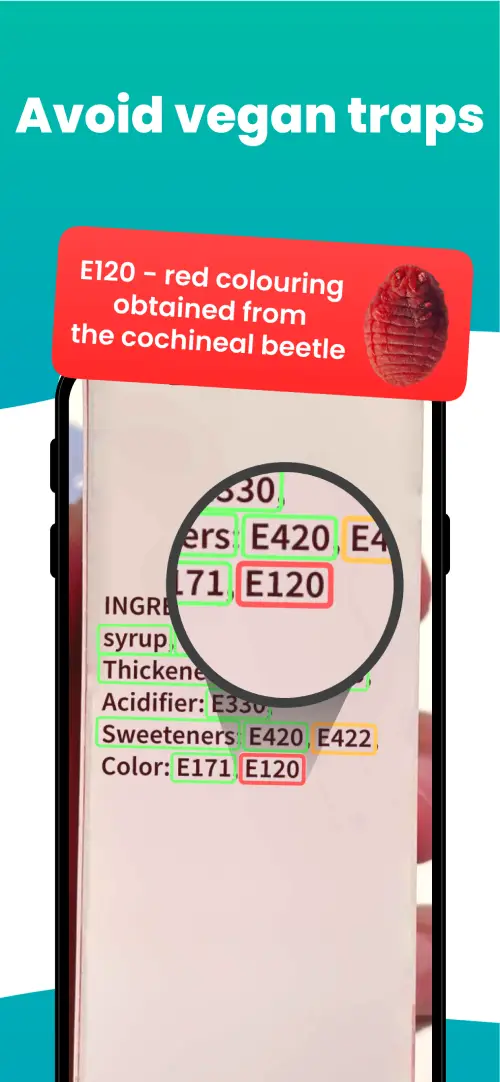
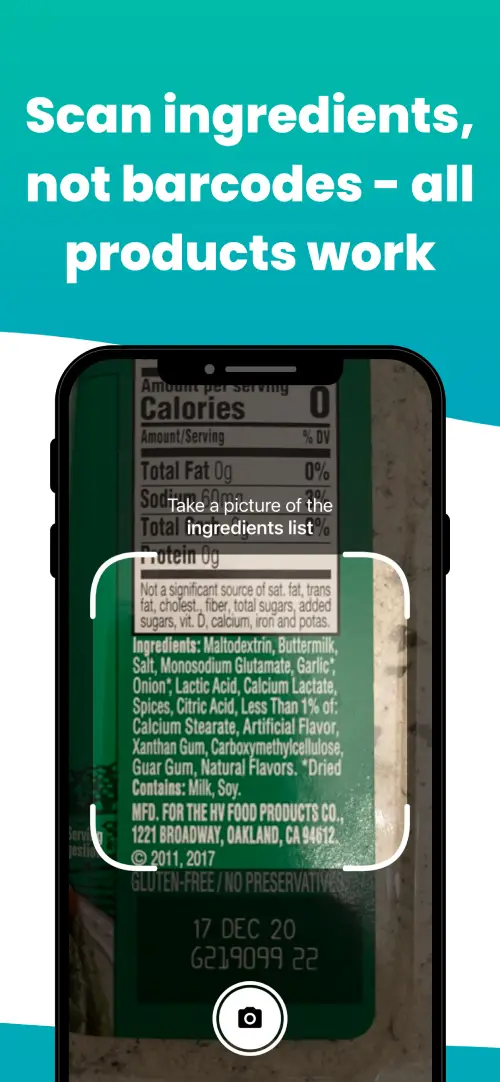
We've built a vegan ingredients scanner that classifies food ingredients as "vegan", "non-vegan", or "potentially vegan".
It allows you to avoid non-vegan ingredients - just take a picture of a product's ingredient list, and the app tells you if the product is vegan or not.



Check out other ingredients:
Are glass beads vegan?Is bismuth oxychloride vegan?Is silica vegan?Is tin oxide vegan?Is ci 77007 vegan?Is hydrogenated styrene vegan?Is ci 77510 vegan?Is ferric ammonium ferrocyanide vegan?Is calcium titanium borosilicate vegan?Is ci 77400 vegan?Is copper powder vegan?Is ci 77288 vegan?
We'll never send you spam.