
Is bone char vegan?
Bone char is a non-vegan food ingredient.
Checking out an ingredients list? 👇
"You are amazing, this has saved me so much time when grocery shopping!"
— Austin, a user who reached out with feedback
"It's been a great tool since starting my journey! You take a pic of the nutrition/ingredients, and it'll warn you of anything questionable or not vegan. 😁"
— Ashe, a Vegan For Beginners Facebook Group member
"Use a vegan app when you go shopping, I use WhatsVegan."
— Dóra, a Vegan For Beginners Facebook Group member
So, what is bone char?
Bone Char: Unpacking Its Use and Vegan Implications
For those committed to a vegan lifestyle, understanding every ingredient, even the hidden ones, is paramount. Bone char stands as a prime example of an animal-derived component that often goes unnoticed, serving a critical role in certain manufacturing processes while raising significant ethical concerns for animal advocates.
At its core, bone char is precisely what its name implies: charred animal bones. It is unequivocally Not Vegan. This granular, porous, black carbon material is derived from the skeletal remains of cattle, specifically bovine bones. These bones undergo a process called pyrolysis, where they are heated to extremely high temperatures (around 700°C) in an oxygen-limited environment. This intense heat transforms the organic matter, leaving behind a carbonaceous matrix rich in calcium phosphate, the primary mineral component of bone. The resulting char possesses a unique adsorptive capacity, making it highly effective for various industrial applications.
The "why" behind its non-vegan status is clear and direct. Bone char is a direct byproduct of the meat industry, intrinsically linked to the slaughter of animals. For vegans, whose philosophy is rooted in animal ethics and the rejection of exploitation, utilizing any product derived from an animal's suffering, even indirectly, is a fundamental compromise of their principles. Its presence, even as a processing aid, contradicts the pursuit of purity in consumption and supports the system of animal agriculture.
Its most prevalent and impactful application for the vegan community is in the sugar industry. Bone char is extensively used as a decolorizing and purifying agent for cane sugar. Raw cane sugar, naturally molasses-rich and brownish, is passed through bone char filters. The char's porous structure effectively adsorbs impurities, color pigments, and mineral ash, transforming the sugar into the familiar sparkling white granulated product commonly found on shelves.
This process highlights a significant challenge regarding label transparency. Because bone char is considered a "processing aid" and not a direct ingredient that remains in the final product in significant quantities, it is typically not listed on ingredient labels. This non-disclosure means that consumers actively seeking cruelty-free products must exercise diligence and seek clarification from manufacturers or specifically purchase products guaranteed to be bone-char-free.
Fortunately, the market offers viable plant-based alternatives for sugar refining. Many sugar producers now employ granular activated carbon derived from sources like wood or coconut shells, or utilize advanced ion-exchange resin systems to achieve the same decolorization and purification results without any animal involvement. Consumers can confidently choose sugars explicitly labeled "vegan," "organic" (as many organic sugar producers avoid bone char, though it's not a universal guarantee), or those sourced from beet sugar, which is almost exclusively processed without bone char. Unrefined cane sugars, which retain their natural molasses content, are also inherently bone-char-free as they bypass the decolorization step entirely.
Understanding the role of bone char empowers vegans to make informed choices that align with their ethical stance, fostering a greater demand for truly animal-free food systems and enhanced label transparency.
How to quickly find the source of ingredients like bone char?
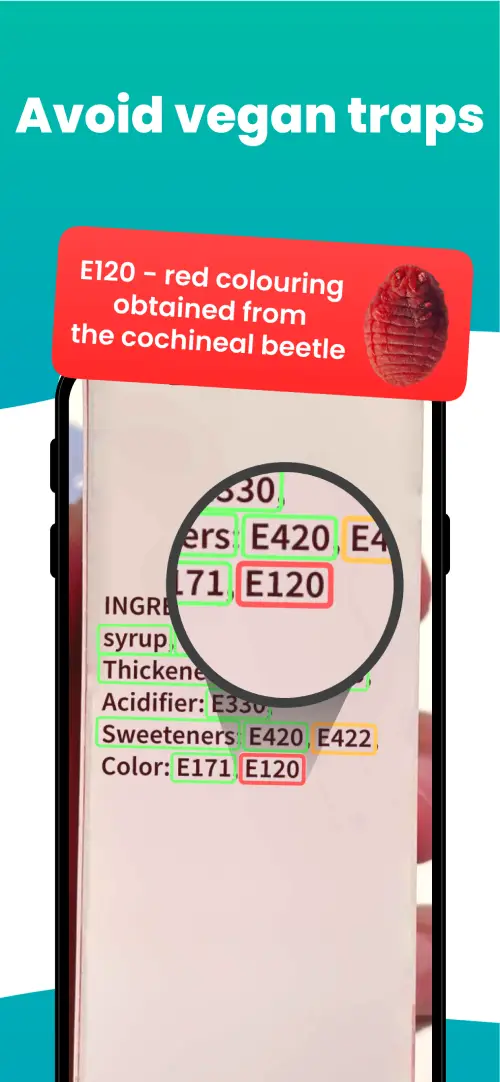
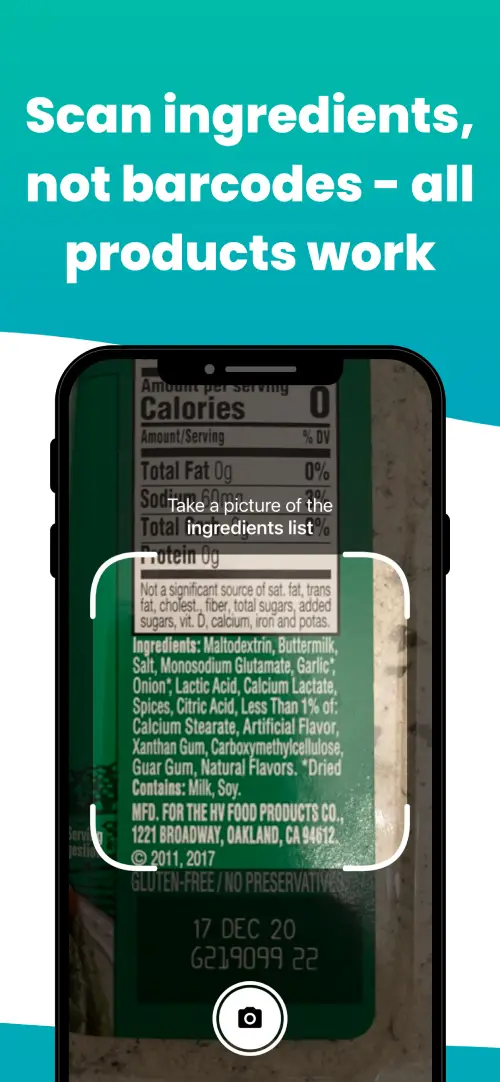
We've built a vegan ingredients scanner that classifies food ingredients as "vegan", "non-vegan", or "potentially vegan".
It allows you to avoid non-vegan ingredients - just take a picture of a product's ingredient list, and the app tells you if the product is vegan or not.



Check out other ingredients:
Is creamy tomato parmesan vegan?Is heavy cream vegan?Is yogurt starter vegan?Is yogurt liquid vegan?Is coffee creamer vegan?Is cookies and cream vegan?Is cream heavy vegan?Is vanilla yogurt vegan?Is bleu brillant vegan?Is painted trillium vegan?Is зира vegan?Is lycopene vegan?
We'll never send you spam.