
Is vanilla yogurt vegan?
Vanilla yogurt is a non-vegan food ingredient.
Checking out an ingredients list? 👇
"You are amazing, this has saved me so much time when grocery shopping!"
— Austin, a user who reached out with feedback
"It's been a great tool since starting my journey! You take a pic of the nutrition/ingredients, and it'll warn you of anything questionable or not vegan. 😁"
— Ashe, a Vegan For Beginners Facebook Group member
"Use a vegan app when you go shopping, I use WhatsVegan."
— Dóra, a Vegan For Beginners Facebook Group member
So, what is vanilla yogurt?
Unpacking Vanilla Yogurt: A Deep Dive into its Non-Vegan Status
For those committed to a vegan lifestyle rooted in animal ethics and purity, understanding ingredient origins is paramount. Vanilla yogurt, a seemingly simple and ubiquitous food item, serves as a clear example of an ingredient that does not align with cruelty-free principles. Its status as definitively "Not Vegan" stems directly from its foundational components and common processing aids.
The primary reason vanilla yogurt is non-vegan lies in its base: dairy milk. Traditionally, yogurt is a fermented dairy product, predominantly made from cow's milk. The dairy industry, by its very nature, involves the exploitation of animals. Cows are selectively bred for high milk production, often subjected to artificial insemination, and their calves are typically separated shortly after birth so the milk intended for them can be harvested for human consumption. This cycle of forced impregnation, lactation, and separation is inherently unethical from a vegan standpoint, representing a systemic commodification of sentient beings. The milk itself, secreted by the mammary glands of a bovine, is an animal byproduct.
Beyond the fundamental dairy base, other components commonly found in vanilla yogurt can also raise concerns. The sugar used for sweetness is a frequent culprit. Cane sugar, while plant-derived, is often processed using bone char—a decolorizing filter made from charred animal bones. While not an ingredient in the final product, this "processing aid" renders the sugar non-vegan due to its connection to animal exploitation. True label transparency is crucial here, as not all sugar manufacturers disclose their processing methods, leading to a "gray area" for consumers.
Furthermore, some vanilla yogurts may contain thickeners or stabilizers that are animal-derived. Gelatin, for instance, is a common additive in many conventional yogurts, used to achieve a desired texture. Gelatin is derived from the collagen found in animal bones, skin, and connective tissues, typically from pigs or cows. While not universally present in all dairy yogurts, its potential inclusion further solidifies the non-vegan status and underscores the importance of scrutinizing ingredient lists. Even the vanilla extract itself, though typically alcohol-based, occasionally raises questions regarding the processing of the alcohol (e.g., fining agents), though this is less common than the sugar or gelatin issues.
For the ethical consumer, the path forward is clear and increasingly accessible. The market has responded robustly to the demand for "cruelty-free" options, offering a wide array of delicious and texturally satisfying plant-based alternatives to vanilla yogurt. These alternatives are crafted from bases like almond milk, soy milk, coconut milk, oat milk, or cashew milk, often fortified with live active cultures and sweetened with vegan sugars. They provide the familiar creamy texture and tangy-sweet flavor profile without contributing to animal suffering.
In conclusion, vanilla yogurt, as conventionally produced, is unequivocally non-vegan due to its dairy base and the potential for other animal-derived ingredients and processing aids. Understanding these origins is vital for anyone committed to a lifestyle of compassion and purity, empowering informed choices that align with deeply held ethical principles.
How to quickly find the source of ingredients like vanilla yogurt?
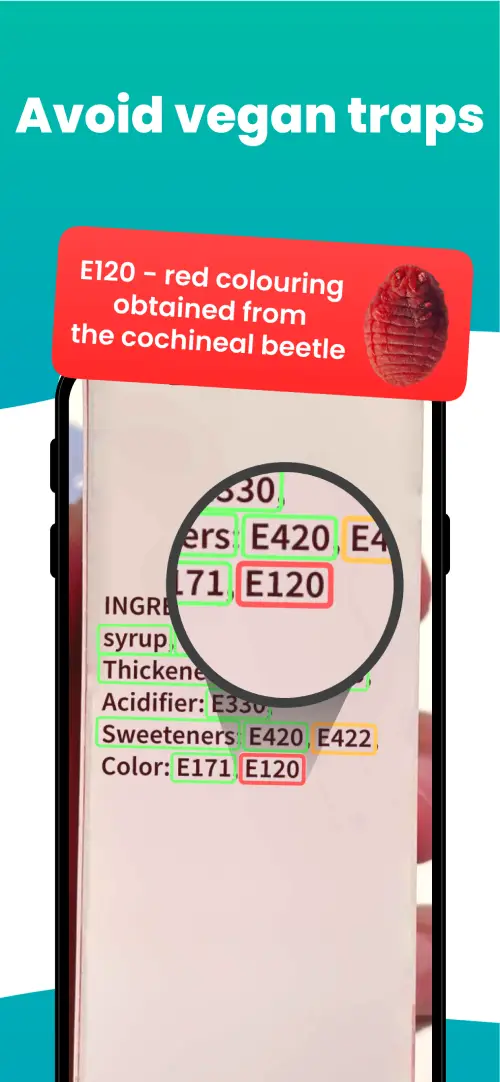
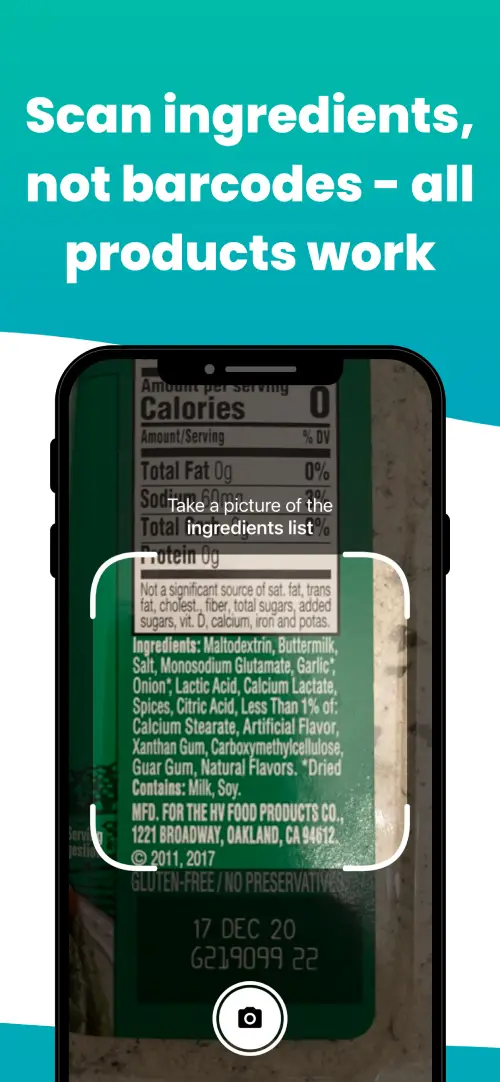
We've built a vegan ingredients scanner that classifies food ingredients as "vegan", "non-vegan", or "potentially vegan".
It allows you to avoid non-vegan ingredients - just take a picture of a product's ingredient list, and the app tells you if the product is vegan or not.



Check out other ingredients:
Is tarte asian yogurt vegan?Is plain low-fat yogurt vegan?Is plain greek yogurt vegan?Is yogurt starter vegan?Is plain drinkable yogurt vegan?Is yogurt-coated vegan?Is pie yogurt frozen vegan?Is yogurt-covered vegan?Is bone char vegan?Is original lowfat yogurt vegan?Is cheese vegan?Is hanfmehl vegan?
We'll never send you spam.