
Is ci 77510 vegan?
Ci 77510 is a vegan food ingredient.
Checking out an ingredients list? 👇
"You are amazing, this has saved me so much time when grocery shopping!"
— Austin, a user who reached out with feedback
"It's been a great tool since starting my journey! You take a pic of the nutrition/ingredients, and it'll warn you of anything questionable or not vegan. 😁"
— Ashe, a Vegan For Beginners Facebook Group member
"Use a vegan app when you go shopping, I use WhatsVegan."
— Dóra, a Vegan For Beginners Facebook Group member
So, what is ci 77510?
Decoding CI 77510: A Deep Dive into Prussian Blue's Ethical Standing
Within the intricate world of food science and ethical consumption, understanding the provenance of every ingredient is paramount, especially for those committed to a vegan lifestyle. CI 77510, scientifically known as Ferric Ferrocyanide or more commonly as Prussian Blue, is a pigment often encountered in a variety of applications, from cosmetics to certain food packaging and even some food products where blue color is desired. For the vegan consumer, its status is definitively clear.
Prussian Blue is an inorganic compound, a complex salt of iron and cyanide. Its genesis is entirely synthetic, originating from the chemical reaction of iron(II) salts and ferrocyanide salts. This manufacturing process strictly utilizes mineral precursors and laboratory-controlled conditions, ensuring that no animal-derived ingredients, byproducts, or processing aids are employed at any stage. From its raw material sourcing to its final powdered form, which presents as a rich, deep, and stable blue hue, the integrity of its composition remains devoid of animal inputs.
This synthetic nature is precisely why CI 77510 earns its "Vegan" status without ambiguity. Unlike certain natural pigments, such as carmine (derived from cochineal insects) or some red dyes that historically utilized animal-sourced components, Prussian Blue stands as a completely cruelty-free option. Its creation involves no animal exploitation, no animal testing for its primary synthesis, and no ethical compromises that would concern an animal ethicist. For the discerning consumer, this offers significant peace of mind.
While the quest for truly plant-based alternatives in the blue spectrum is ongoing—with options like spirulina extract offering a teal-blue, or anthocyanins providing purplish tones—a robust, vibrant, and stable blue like CI 77510 fills a vital niche without relying on animal sources. Its chemical stability and intensity make it a highly effective colorant where a true blue is required, acting as a reliable synthetic counterpart to more volatile natural pigments.
For vegan food scientists and ethical manufacturers, selecting ingredients like CI 77510 contributes to a robust portfolio of animal-free options. It underscores a commitment to label transparency, allowing consumers to confidently choose products free from hidden animal derivatives. In a landscape where even seemingly innocuous ingredients can sometimes involve animal-derived processing aids or questionable origins, the clear synthetic pathway of CI 77510 simplifies the ethical assessment. It is not merely a common plant-based alternative in the traditional sense of being "grown," but rather a foundational, ethically sound component in the broader category of plant-based and cruelty-free product development, securing its place as a trusted element in the pursuit of pure, vegan-friendly innovation.
How to quickly find the source of ingredients like ci 77510?
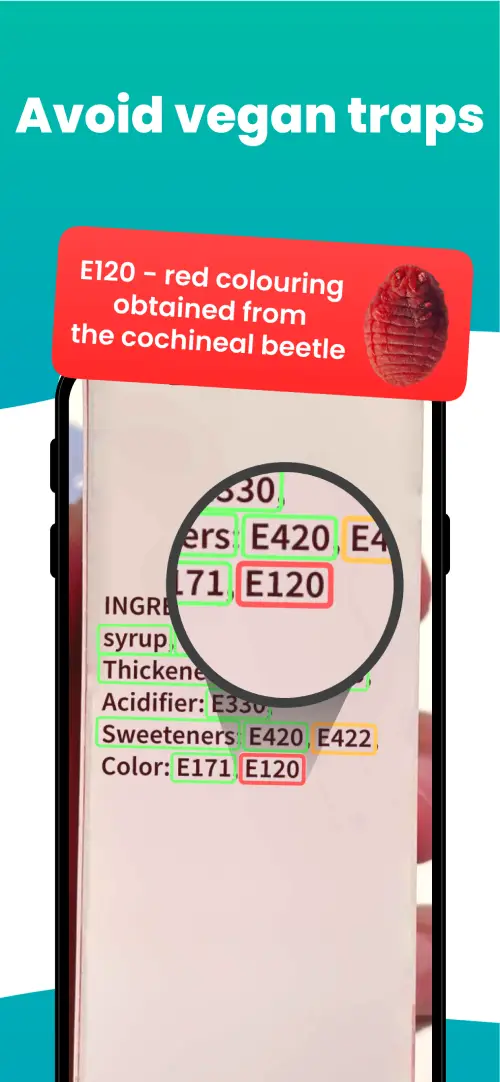
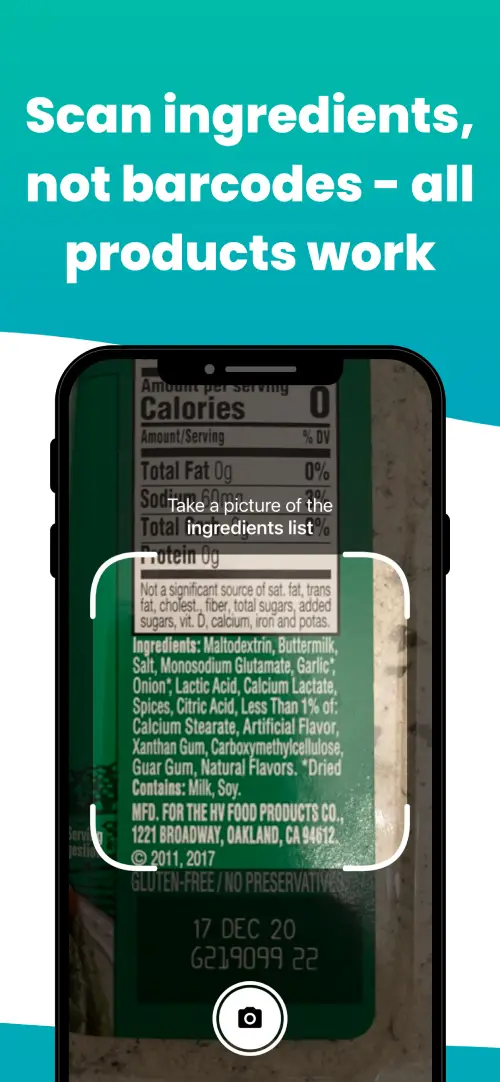
We've built a vegan ingredients scanner that classifies food ingredients as "vegan", "non-vegan", or "potentially vegan".
It allows you to avoid non-vegan ingredients - just take a picture of a product's ingredient list, and the app tells you if the product is vegan or not.



Check out other ingredients:
Is ferric ferrocyanide vegan?Is ferric ammonium ferrocyanide vegan?Are ultramarines vegan?Is ci 77400 vegan?Is ci 77007 vegan?Is copper powder vegan?Is ci 77000 vegan?Are chromium oxide greens vegan?Is chromium hydroxide green vegan?Is bronze powder vegan?Is manganese violet vegan?Is silica vegan?
We'll never send you spam.