Is calcium lactate e327 vegan?
Calcium lactate e327 is a vegan food ingredient.
Checking out an ingredients list? 👇
Vegan Ingredient Checker
Scan labels, check if ingredients are vegan
"You are amazing, this has saved me so much time when grocery shopping!"
— Austin, a user who reached out with feedback
"It's been a great tool since starting my journey! You take a pic of the nutrition/ingredients, and it'll warn you of anything questionable or not vegan. 😁"
— Ashe, a Vegan For Beginners Facebook Group member
"Use a vegan app when you go shopping, I use WhatsVegan."
— Dóra, a Vegan For Beginners Facebook Group member


Learn more
"You are amazing, this has saved me so much time when grocery shopping!"
— Austin, a user who reached out with feedback
"It's been a great tool since starting my journey! You take a pic of the nutrition/ingredients, and it'll warn you of anything questionable or not vegan. 😁"
— Ashe, a Vegan For Beginners Facebook Group member
"Use a vegan app when you go shopping, I use WhatsVegan."
— Dóra, a Vegan For Beginners Facebook Group member
So, what is calcium lactate e327?
Calcium lactate E327 is a food additive and the calcium salt of lactic acid, commonly used as a firming agent, acidity regulator, and calcium supplement. It appears frequently on ingredient labels for canned fruits and vegetables, baking powder, fortified beverages, jams, and confectionery.
This ingredient is manufactured industrially by neutralizing lactic acid with calcium carbonate or calcium hydroxide. The lactic acid itself is produced through the bacterial fermentation of plant sugars, which are typically derived from corn starch, sugar beets, or sugarcane. The calcium compounds used in the reaction are obtained from mined mineral sources or synthetic processes.
Calcium lactate E327 is vegan because its production relies entirely on plant, mineral, and microbial sources. Although the prefix in lactate often causes confusion with dairy or lactose, commercial lactic acid is not produced from milk. Because no animal tissues, dairy, or animal byproducts are used at any stage of manufacturing, the ingredient contains no animal-derived components.
How to quickly find the source of ingredients like calcium lactate e327?
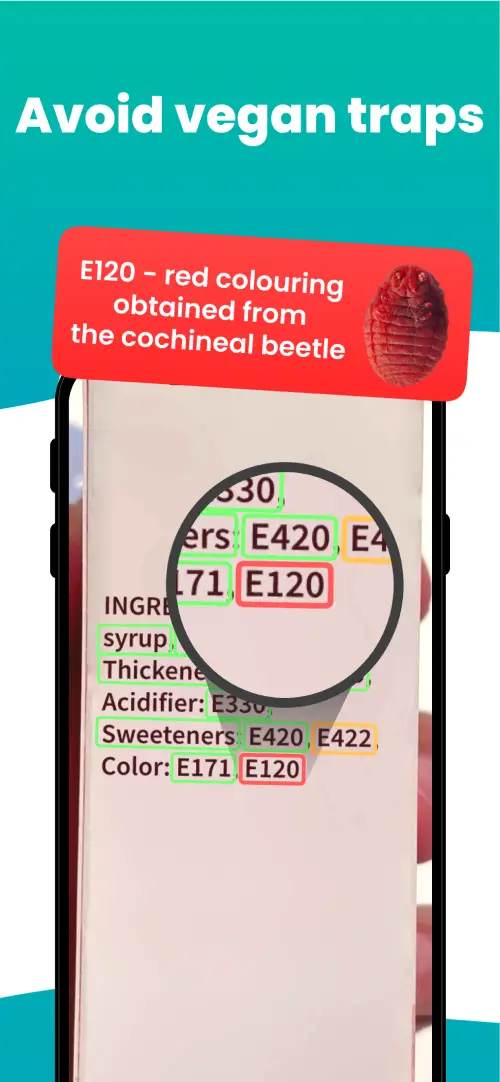
We've built a vegan ingredients scanner that classifies food ingredients as "vegan", "non-vegan", or "potentially vegan".
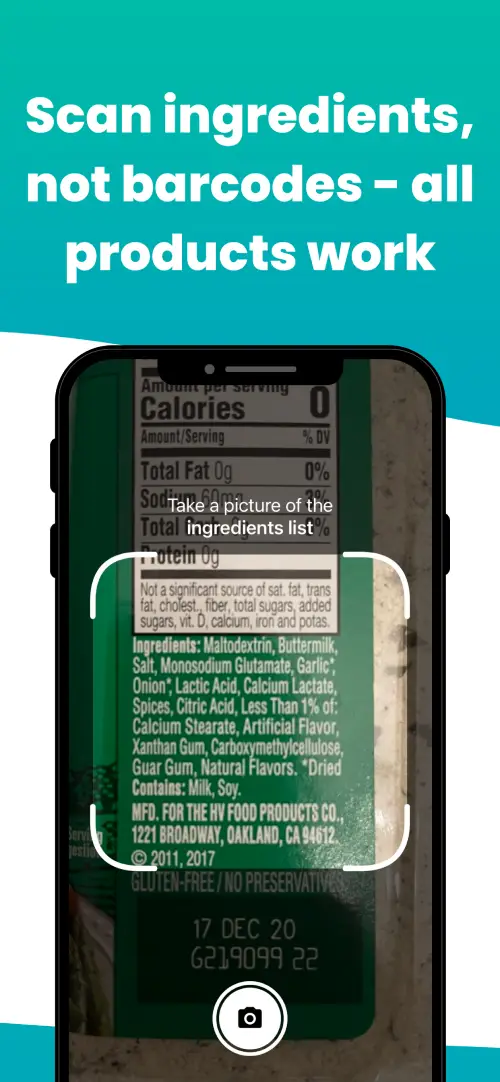
It allows you to avoid non-vegan ingredients - just take a picture of a product's ingredient list, and the app tells you if the product is vegan or not.

We'll never send you spam.