
Is e150c vegan?
E150c is a vegan food ingredient.
Checking out an ingredients list? 👇
"You are amazing, this has saved me so much time when grocery shopping!"
— Austin, a user who reached out with feedback
"It's been a great tool since starting my journey! You take a pic of the nutrition/ingredients, and it'll warn you of anything questionable or not vegan. 😁"
— Ashe, a Vegan For Beginners Facebook Group member
"Use a vegan app when you go shopping, I use WhatsVegan."
— Dóra, a Vegan For Beginners Facebook Group member
So, what is e150c?
Navigating the Nuances of E150c: A Deep Dive into Ammonia Caramel
In the meticulous world of vegan ingredient sourcing, understanding the origins and processing of every additive is paramount. E150c, commonly known as Ammonia Caramel, is one such ingredient that warrants closer examination for those committed to a diet free from animal exploitation. As a food coloring agent, E150c plays a significant role in imparting a desirable brown hue to a vast array of food and beverage products.
The Unwavering Vegan Status of E150c
Ammonia Caramel is unequivocally vegan. Its production method is rooted entirely in plant-derived components and synthetic compounds, ensuring no animal involvement at any stage. E150c is manufactured through the controlled heat treatment of carbohydrates, primarily glucose syrup, sucrose, or invert sugar, in the presence of ammonium compounds. This specific process differentiates it from other caramel color classes. The foundational carbohydrates are universally derived from plants, such as corn, wheat, or sugar cane, and the ammonium compounds are synthetically produced. This means that the entire chemical reaction responsible for forming E150c bypasses any need for animal-derived starting materials or processing aids.
For the vegan community, this makes E150c a reliable and cruelty-free option for achieving consistent brown coloration in everything from plant-based milks and yogurts to vegan sauces, snacks, and even certain plant-based meat alternatives. Its stability and solubility make it an invaluable tool for formulators dedicated to developing innovative vegan products.
Ensuring Purity: Addressing Sugar Sourcing
While E150c itself is vegan due to its manufacturing process, a common concern among ethically conscious consumers revolves around the sourcing of raw sugar. Historically, some cane sugar refining processes have utilized bone char – a granular material made from animal bones – for decolorization. However, it's crucial to understand that not all sugar is processed this way. Beet sugar is never processed with bone char, and many cane sugar refiners now employ alternative, animal-free methods like granular carbon or ion-exchange resins.
For E150c to truly align with vegan principles, manufacturers producing it for the plant-based market conscientiously source sugars guaranteed to be free from bone char processing. This commitment extends beyond just the initial carbohydrate; reputable suppliers ensure that all processing aids used in the caramelization are also animal-free. This rigorous attention to detail upholds the integrity of the ingredient, ensuring that the "vegan" label is earned with complete transparency and ethical consideration.
A Cruelty-Free Pigment in Plant-Based Innovation
The consistent, deep brown color provided by E150c is vital for aesthetic appeal in many plant-based alternatives. Imagine a rich vegan gravy or a hearty plant-based burger without a satisfying color; visual appeal is intrinsically linked to perceived taste and quality. E150c allows product developers to mimic the familiar appearances of conventional foods without compromising animal ethics. Its inclusion demonstrates a commitment to offering consumers delicious, visually appealing plant-based options that stand toe-to-toe with their traditional counterparts.
The proliferation of E150c in vegan-certified products underscores its role as a trusted component in the rapidly expanding plant-based market. When consumers see E150c on an ingredient list alongside a vegan certification, they can be confident that the product adheres to the highest standards of animal welfare and ethical purity, supported by diligent label transparency from conscientious brands.
How to quickly find the source of ingredients like e150c?
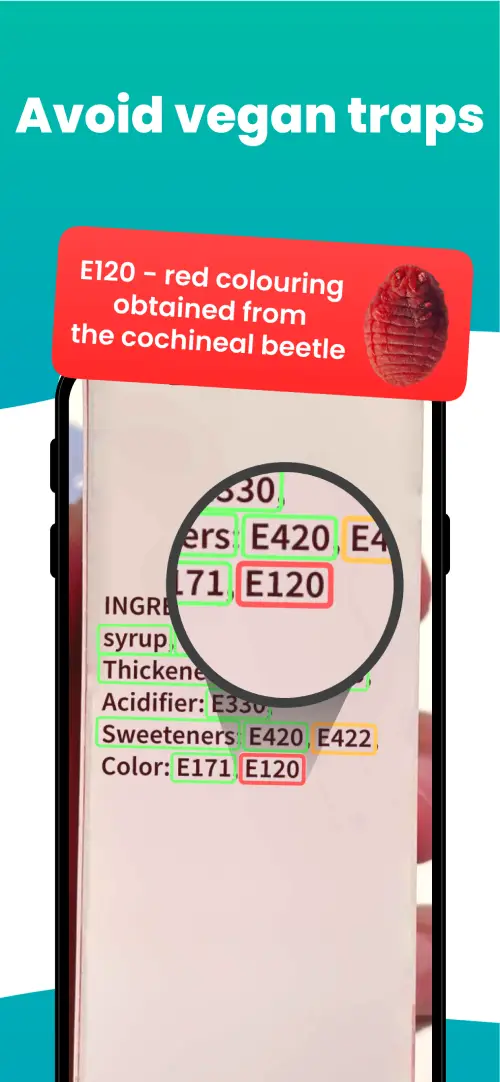
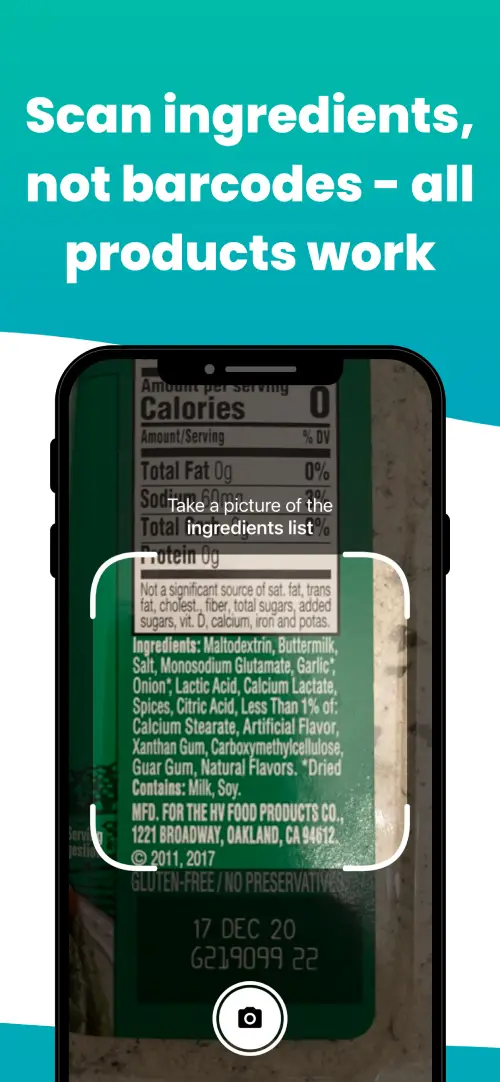
We've built a vegan ingredients scanner that classifies food ingredients as "vegan", "non-vegan", or "potentially vegan".
It allows you to avoid non-vegan ingredients - just take a picture of a product's ingredient list, and the app tells you if the product is vegan or not.



Check out other ingredients:
Is burnt sugar coloring vegan?Is ammonia caramel vegan?Is caramel liquid vegan?Is caramel iii vegan?Is natural brown 10 vegan?Is sethness 858 vegan?Is milled sugar cane vegan?Is nutmeat vegan?Is cornstrach vegan?Are cornflower petals vegan?Is ceramide 1 vegan?Is corn sugar vegan?
We'll never send you spam.